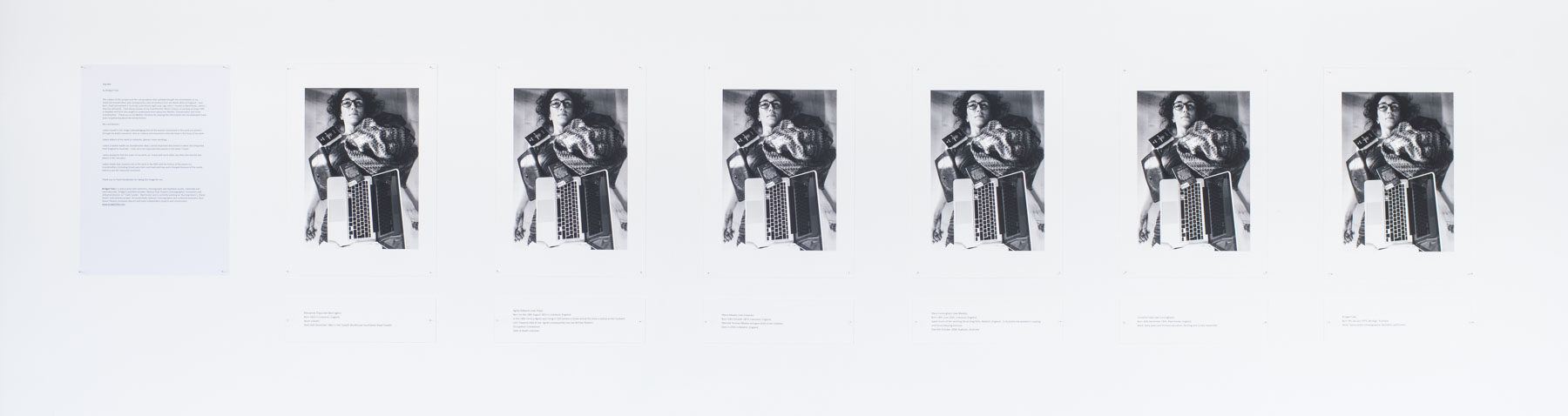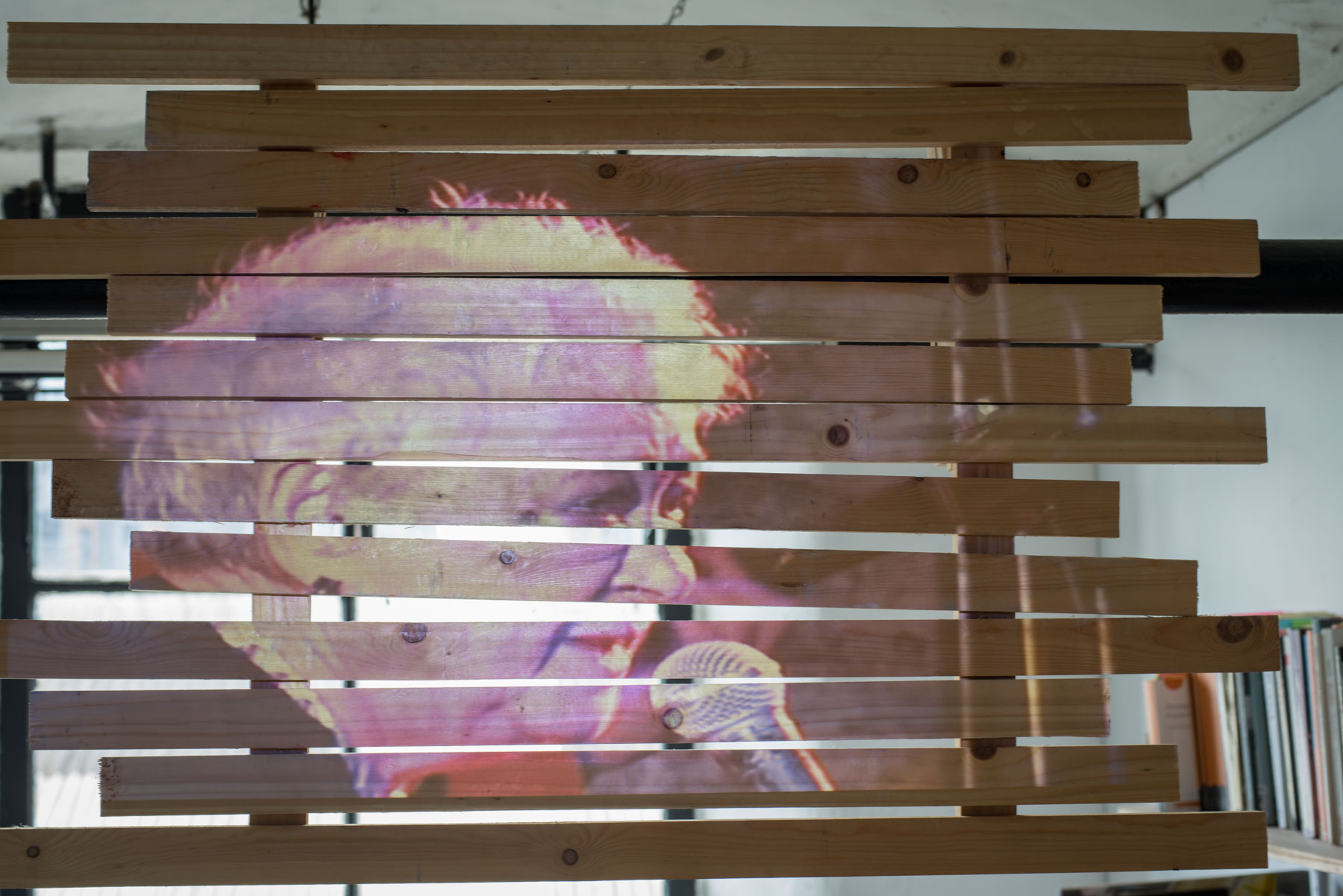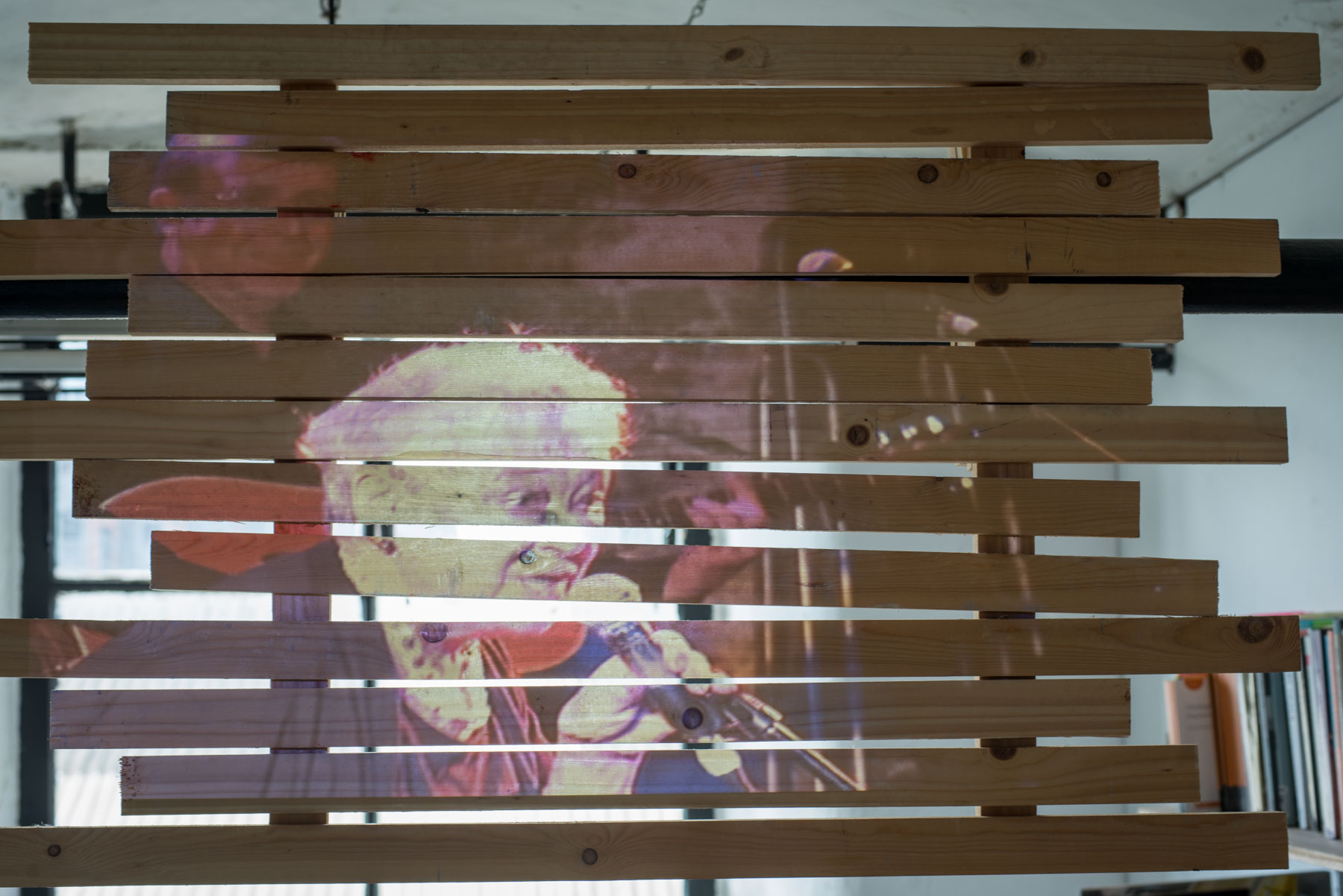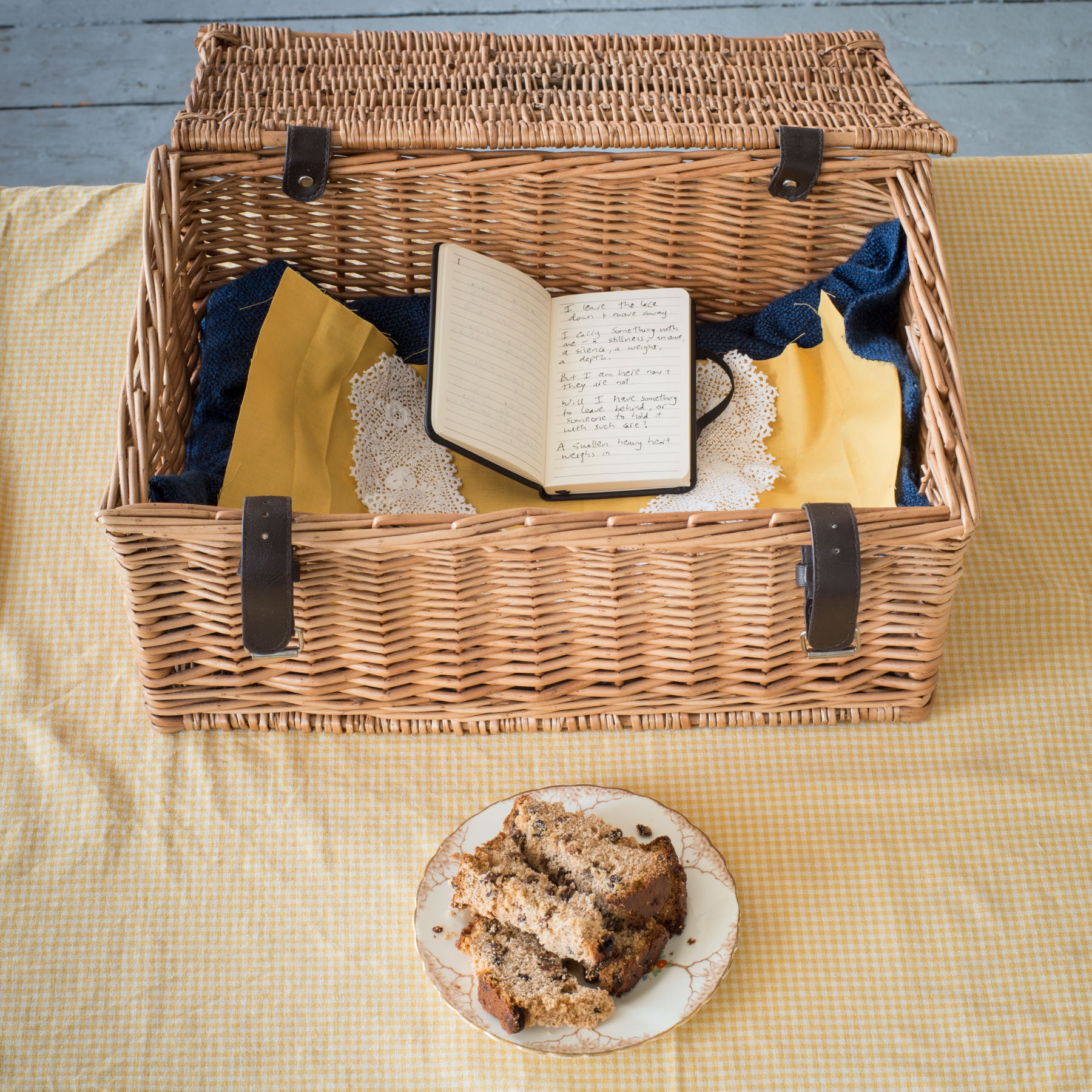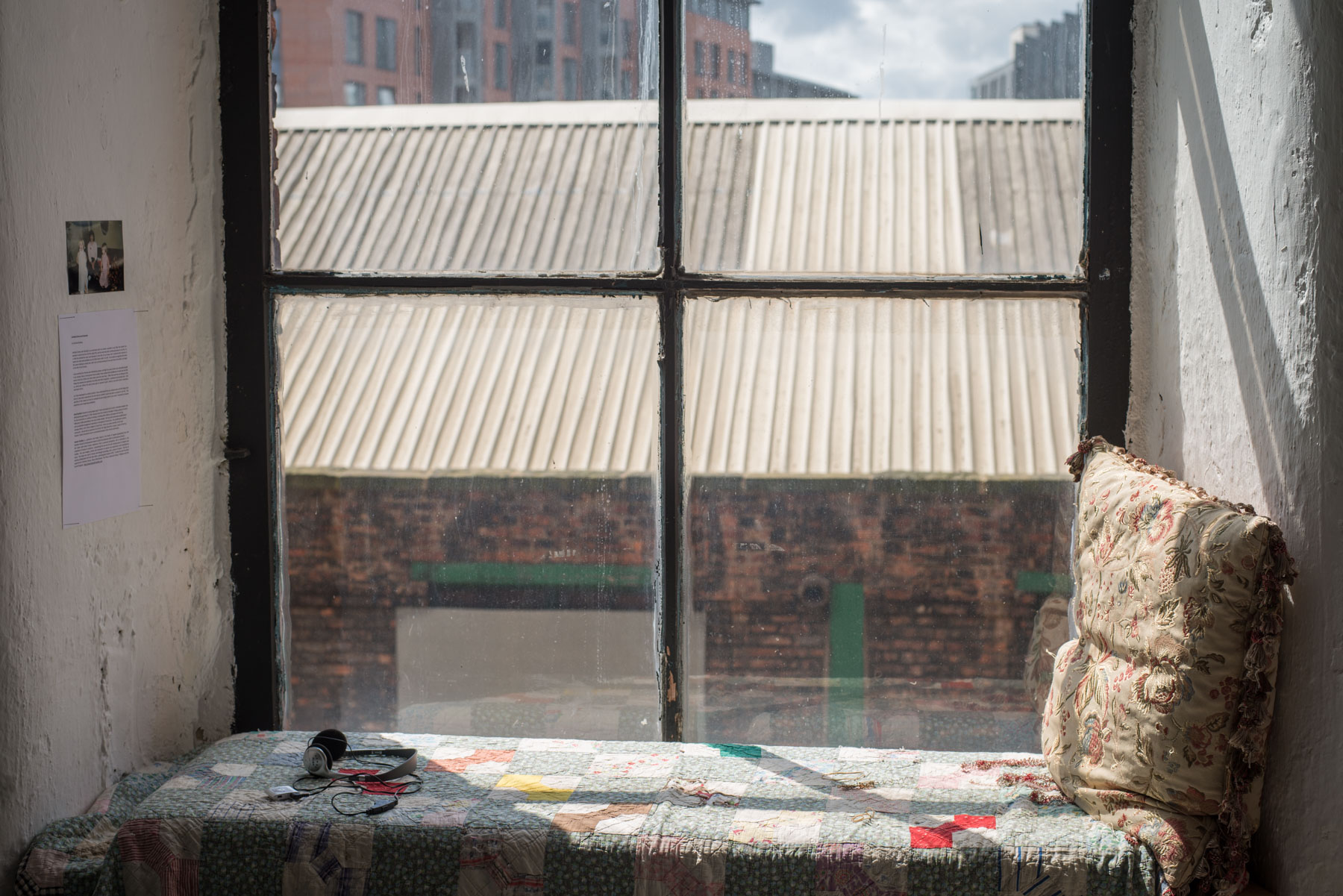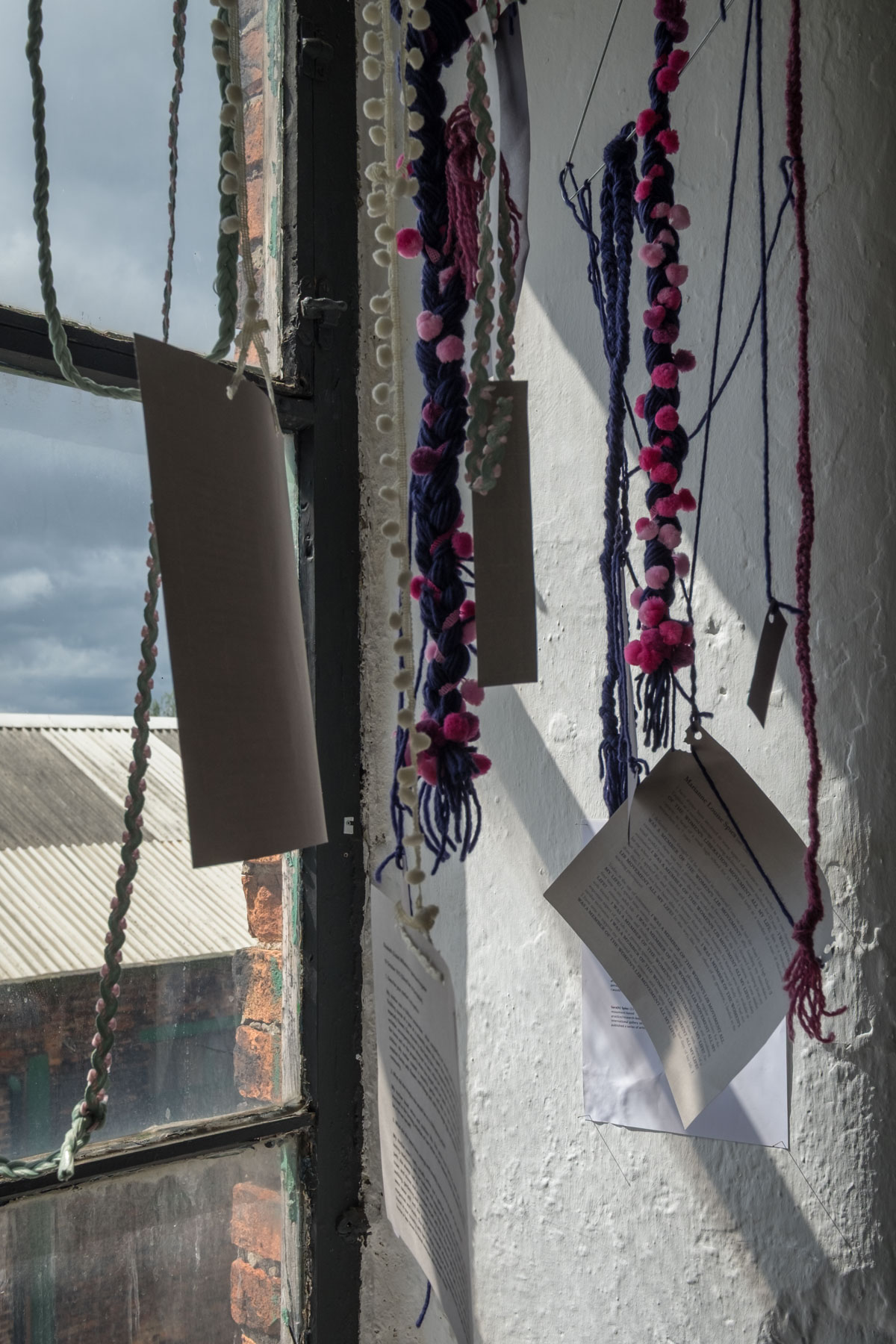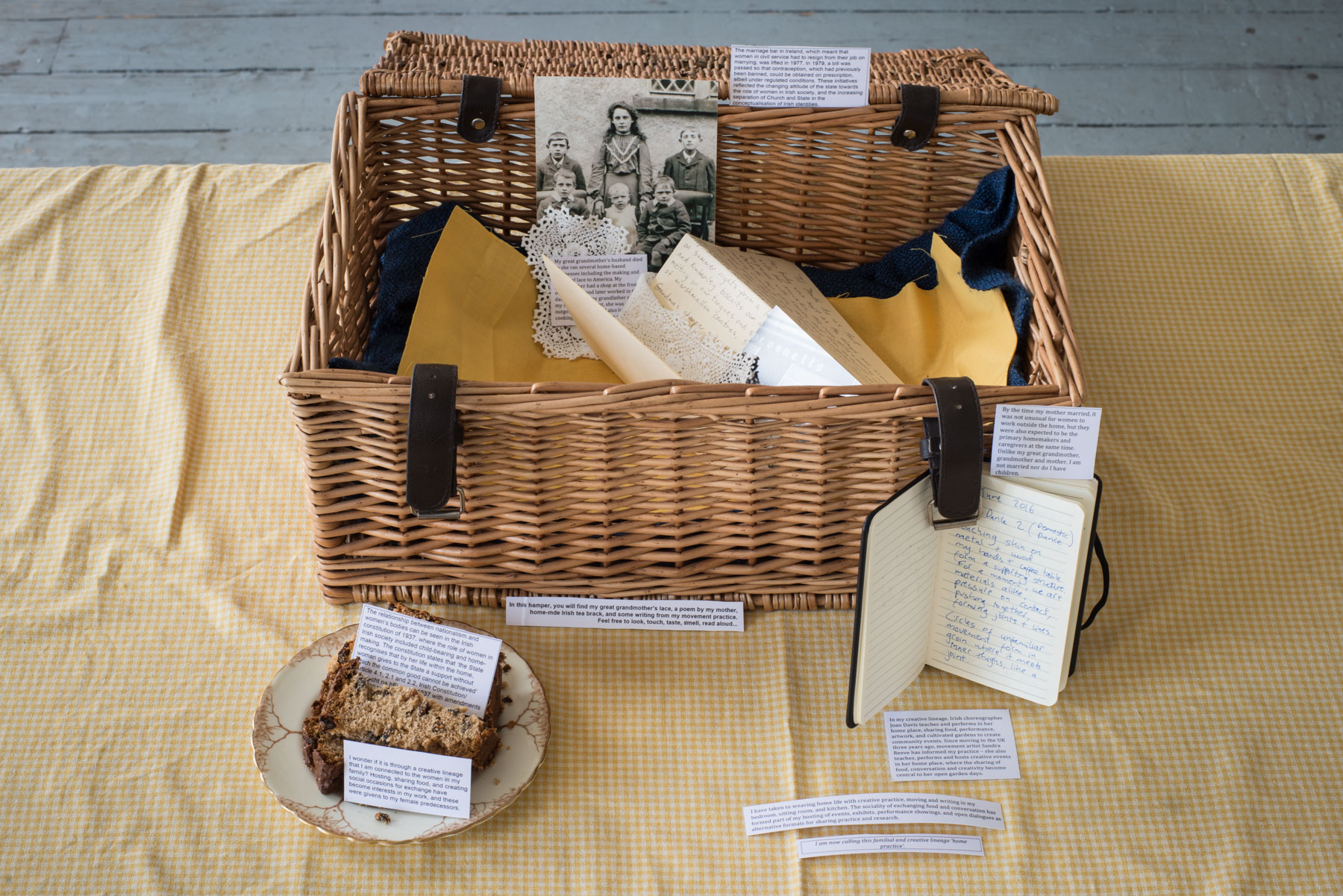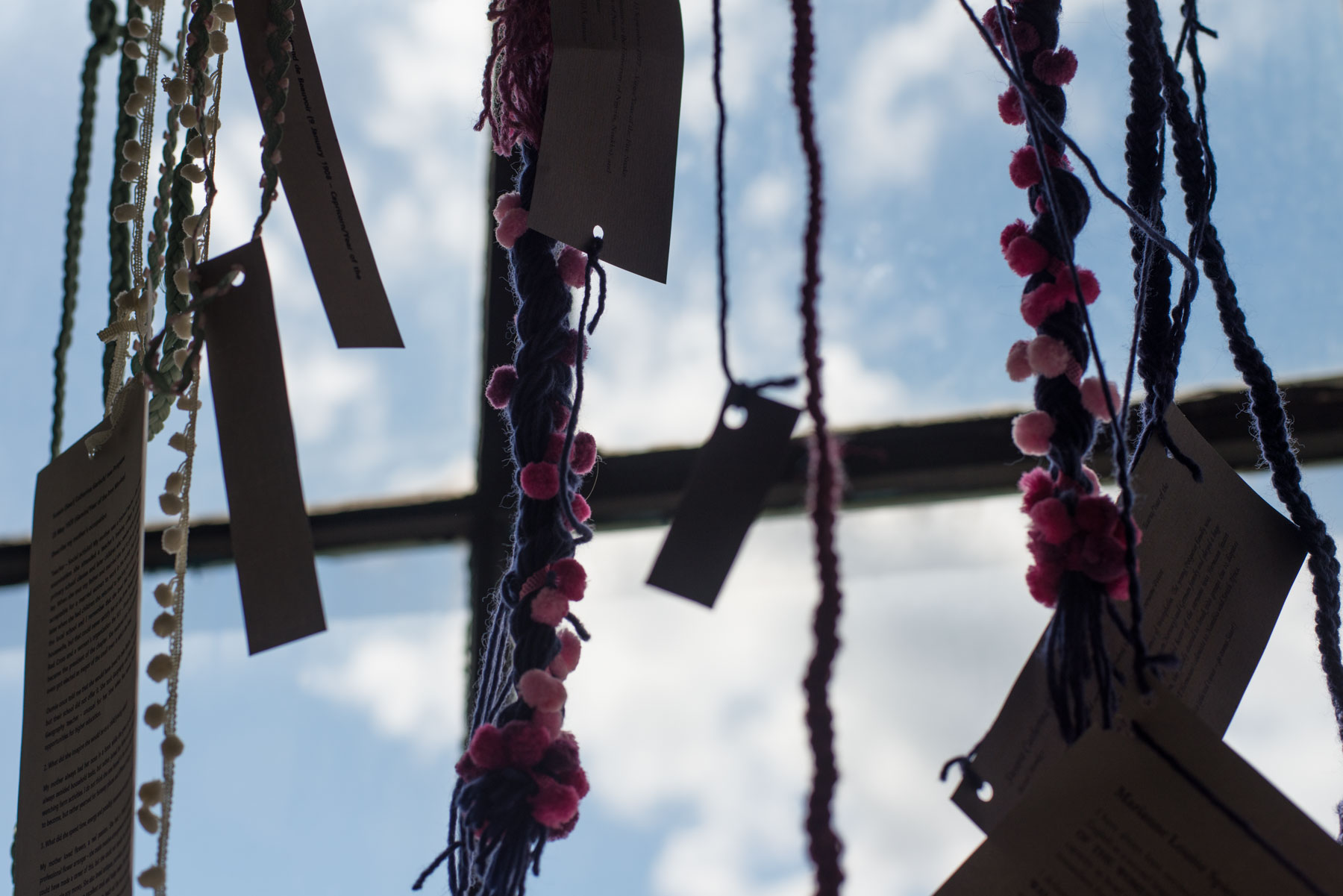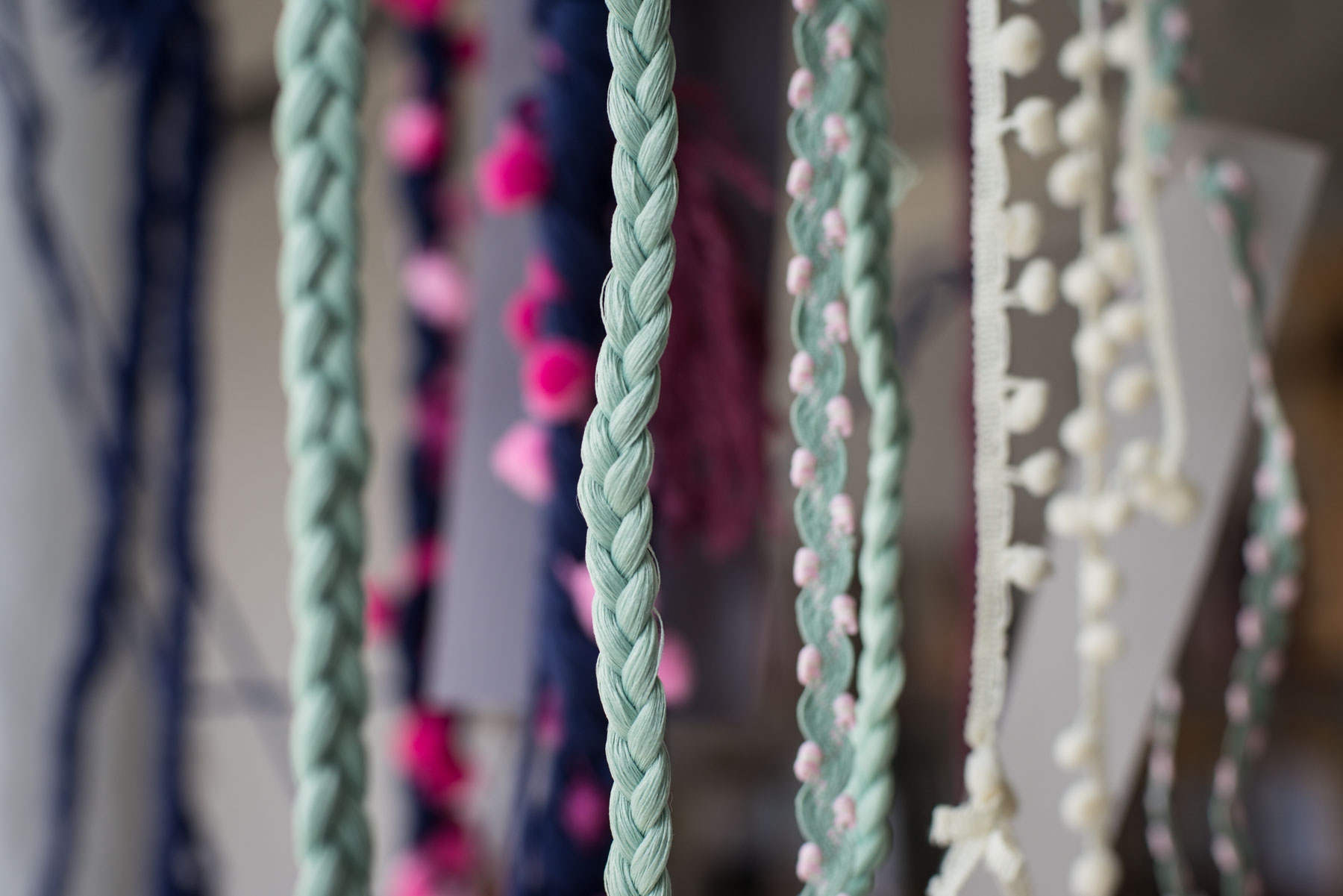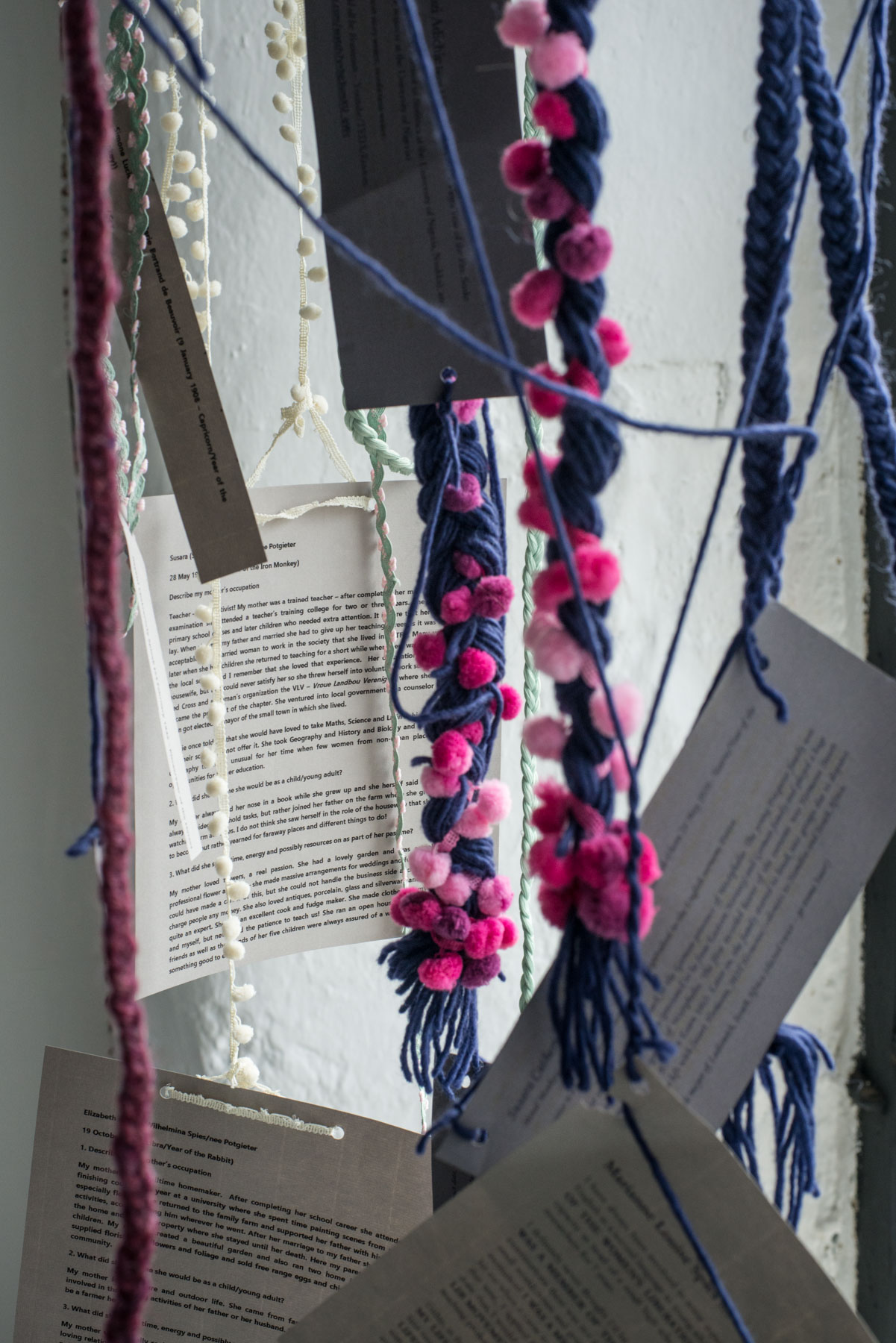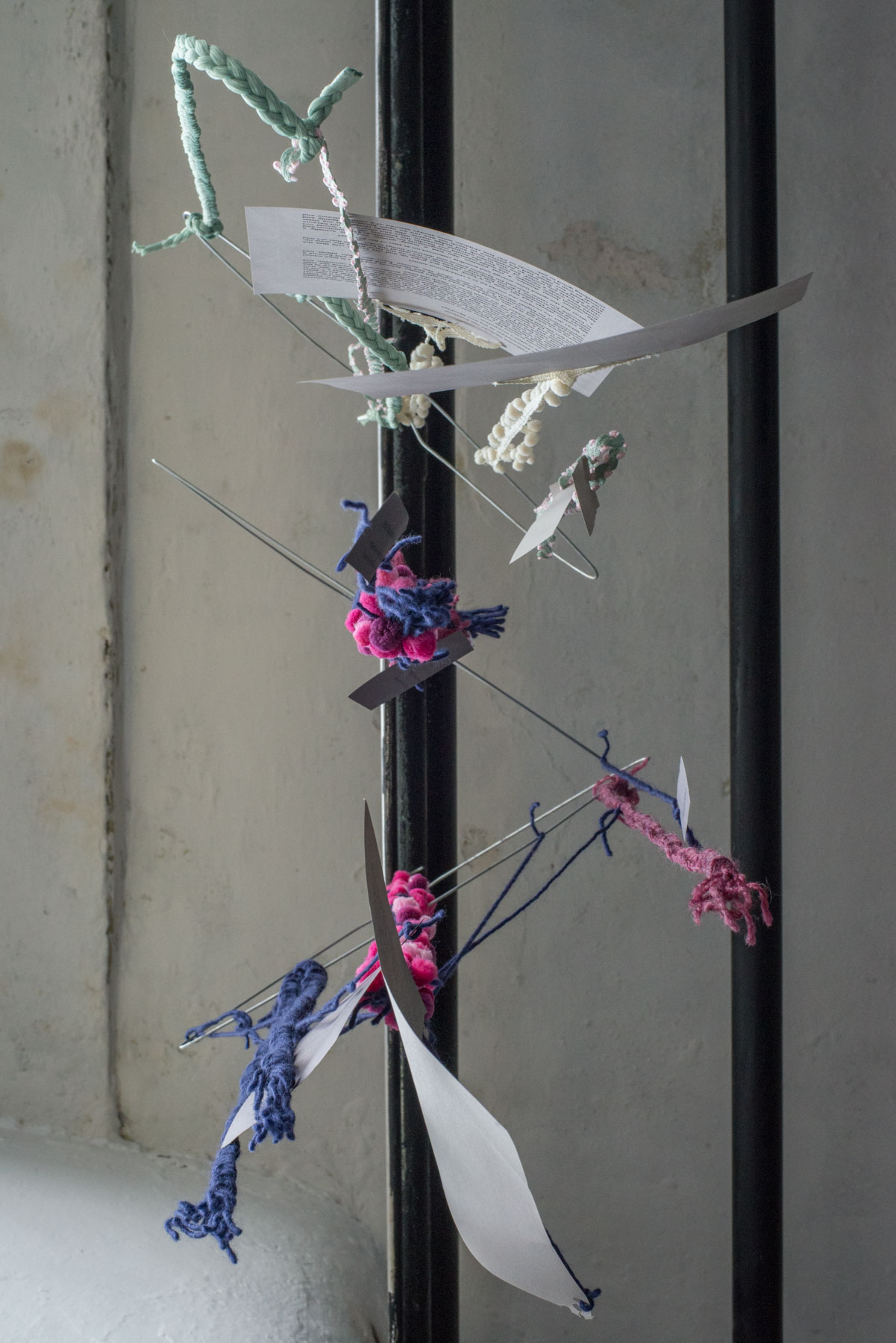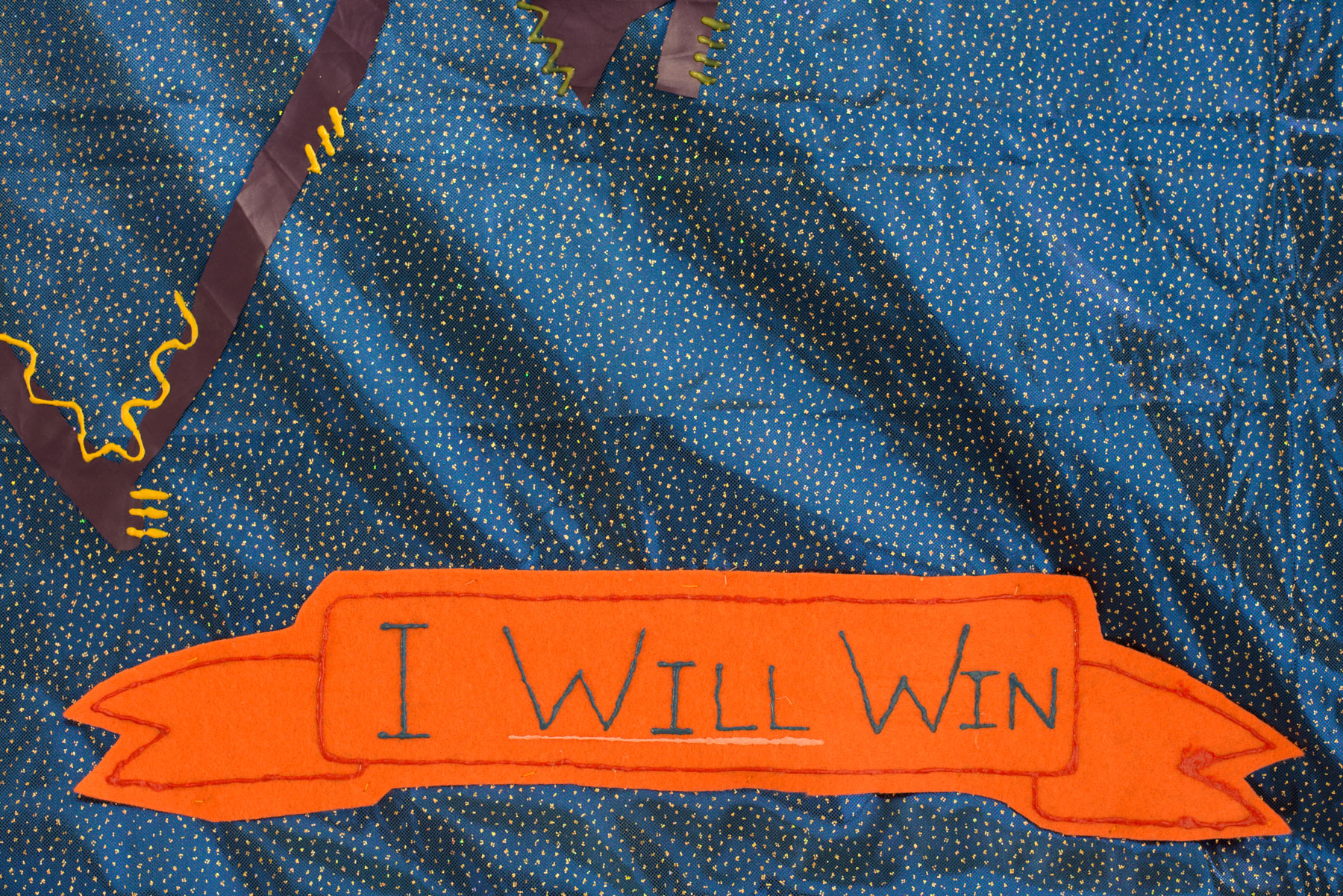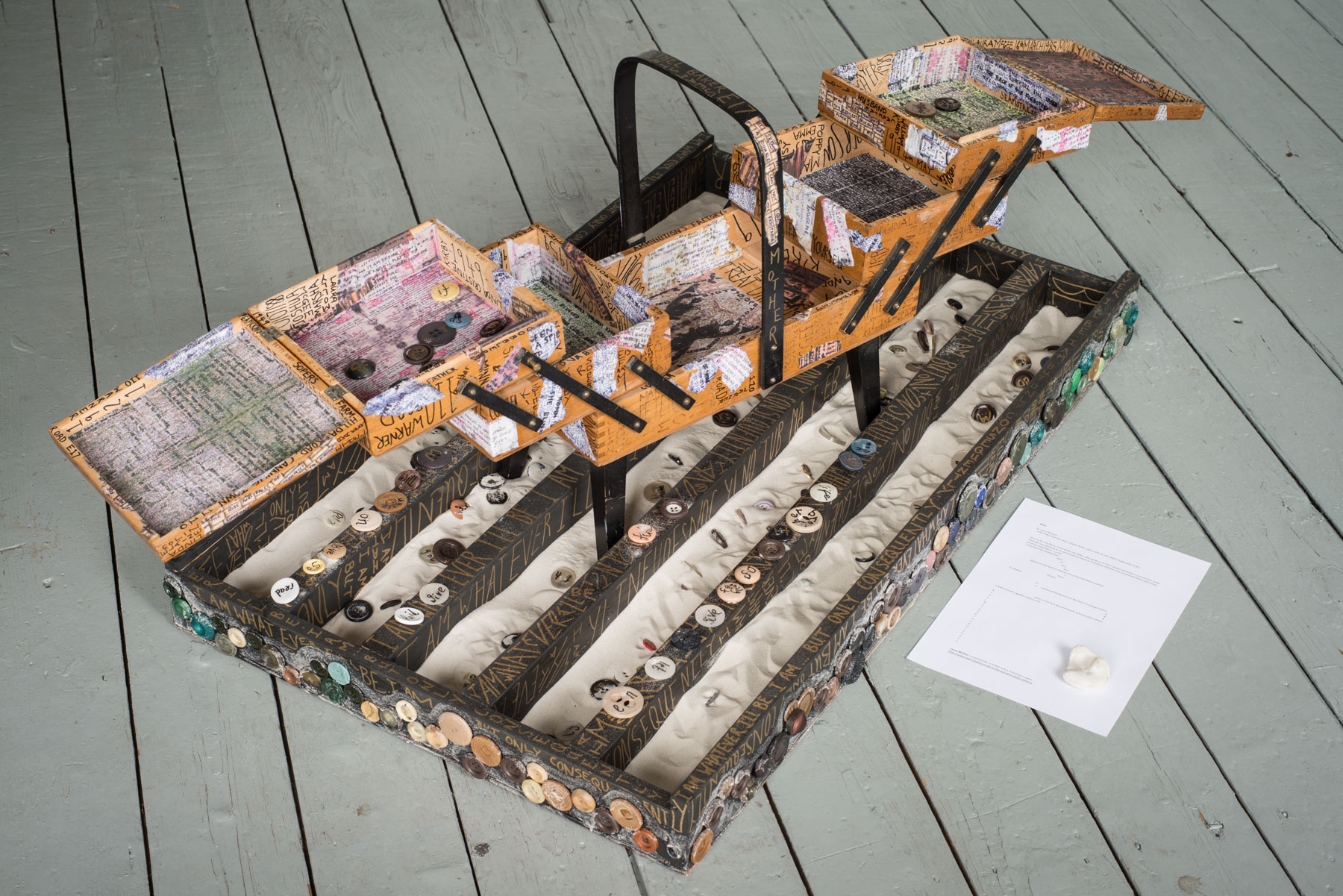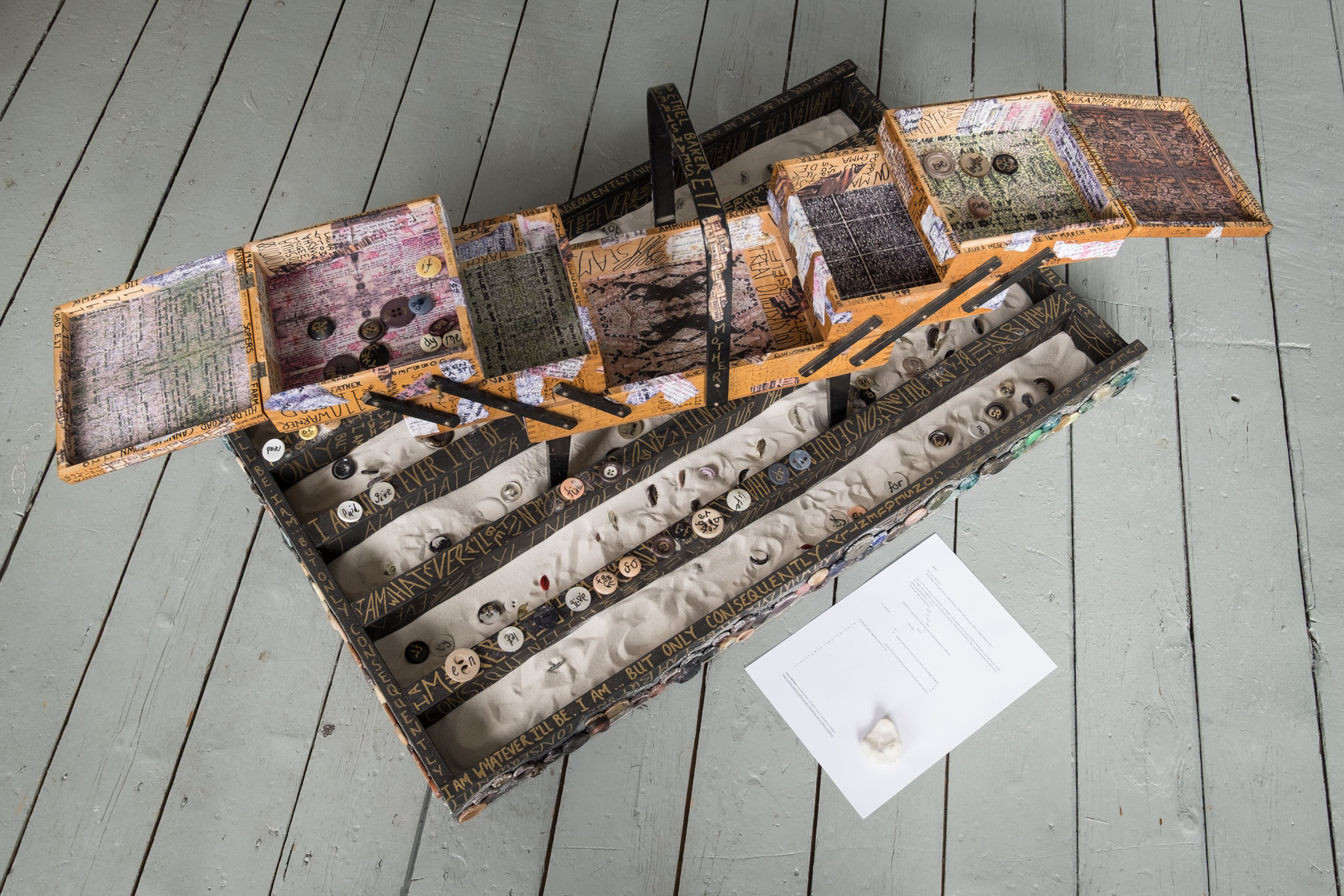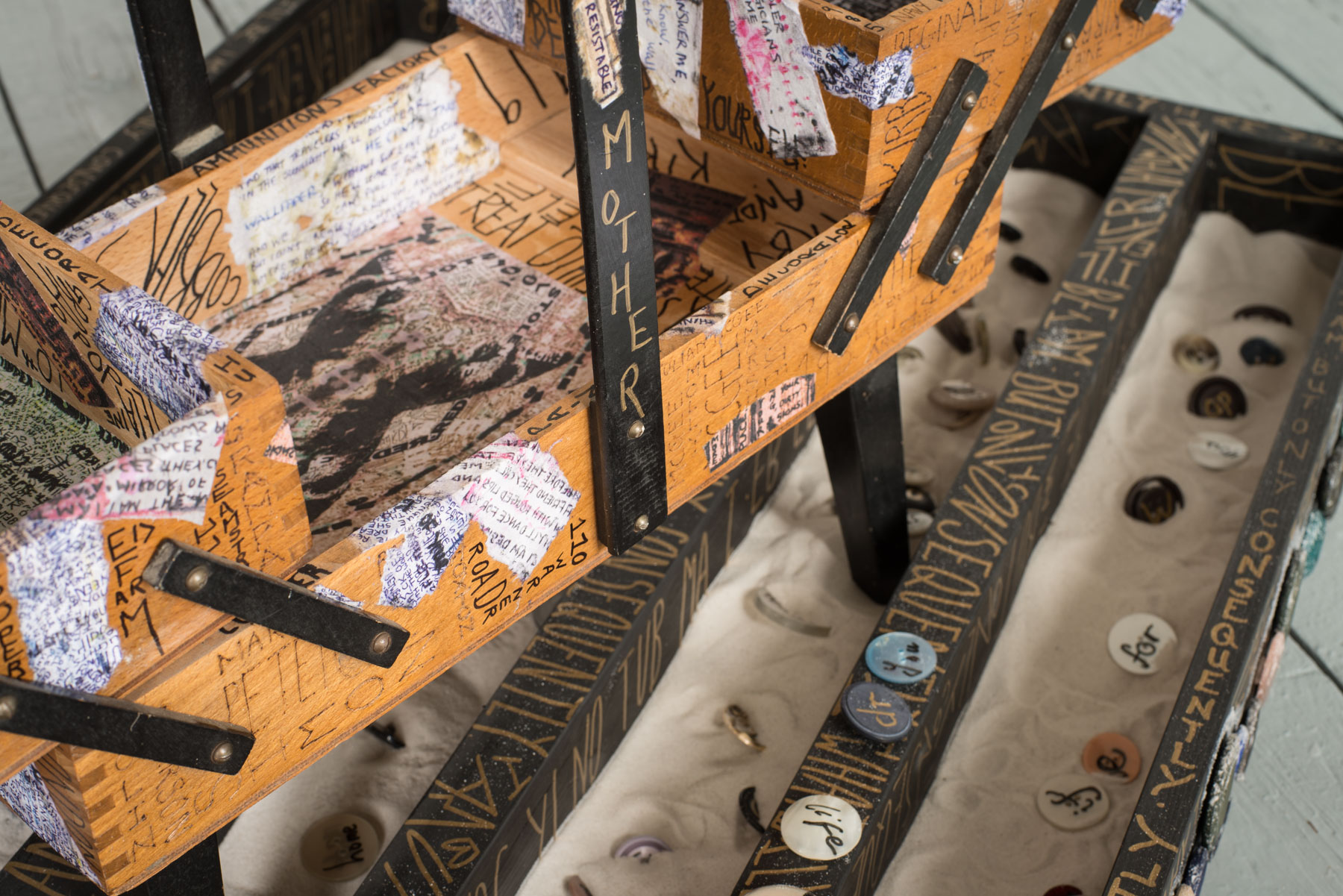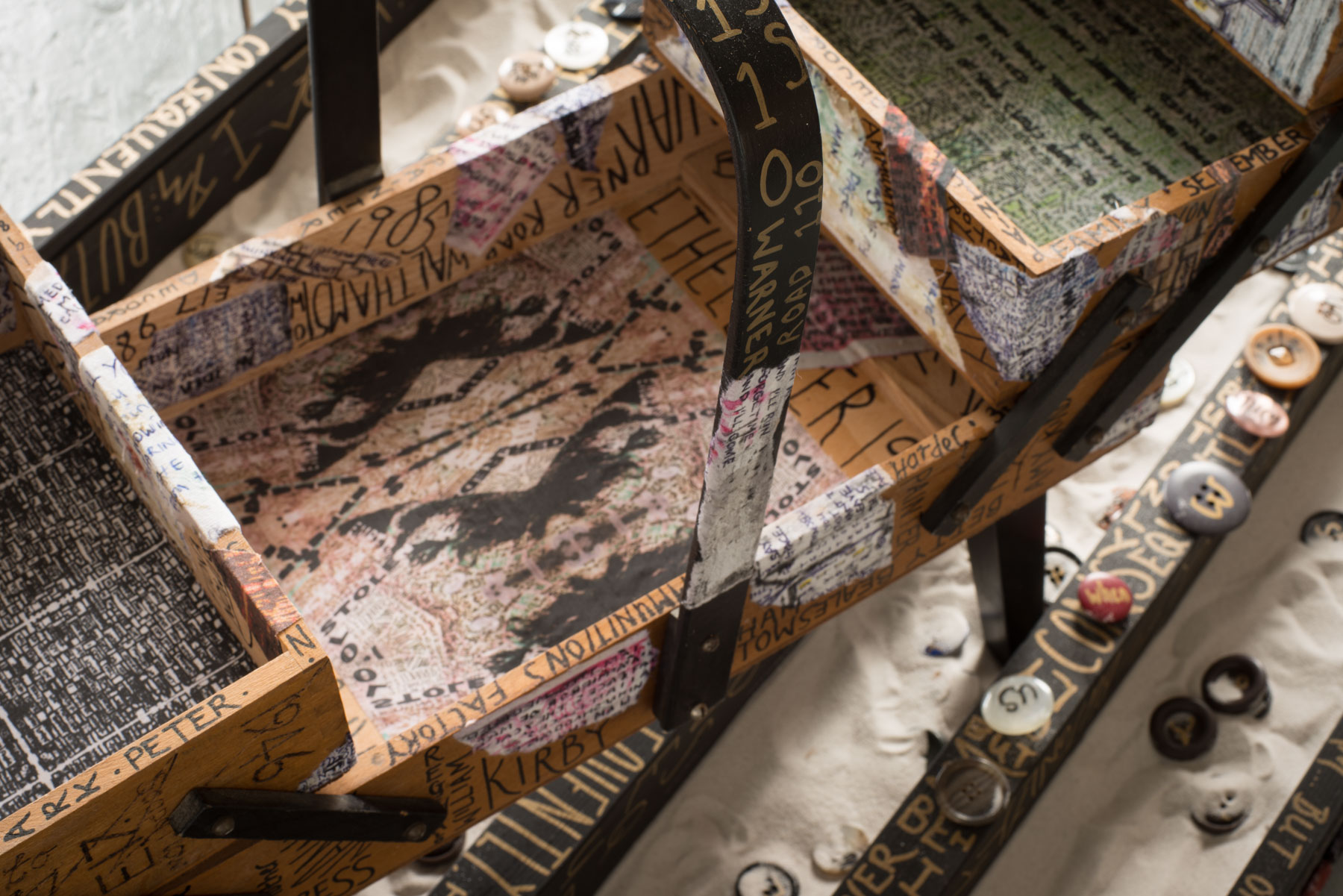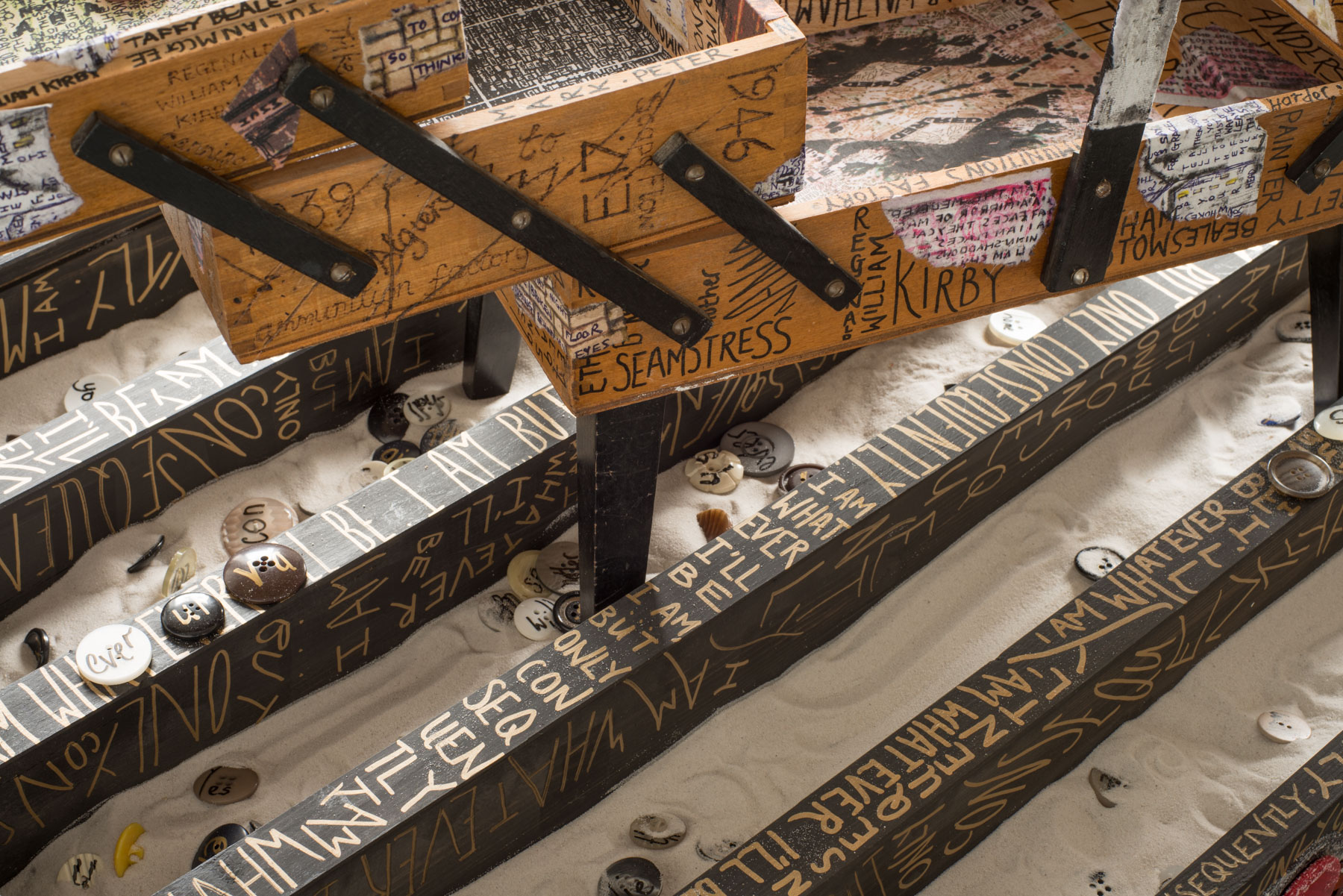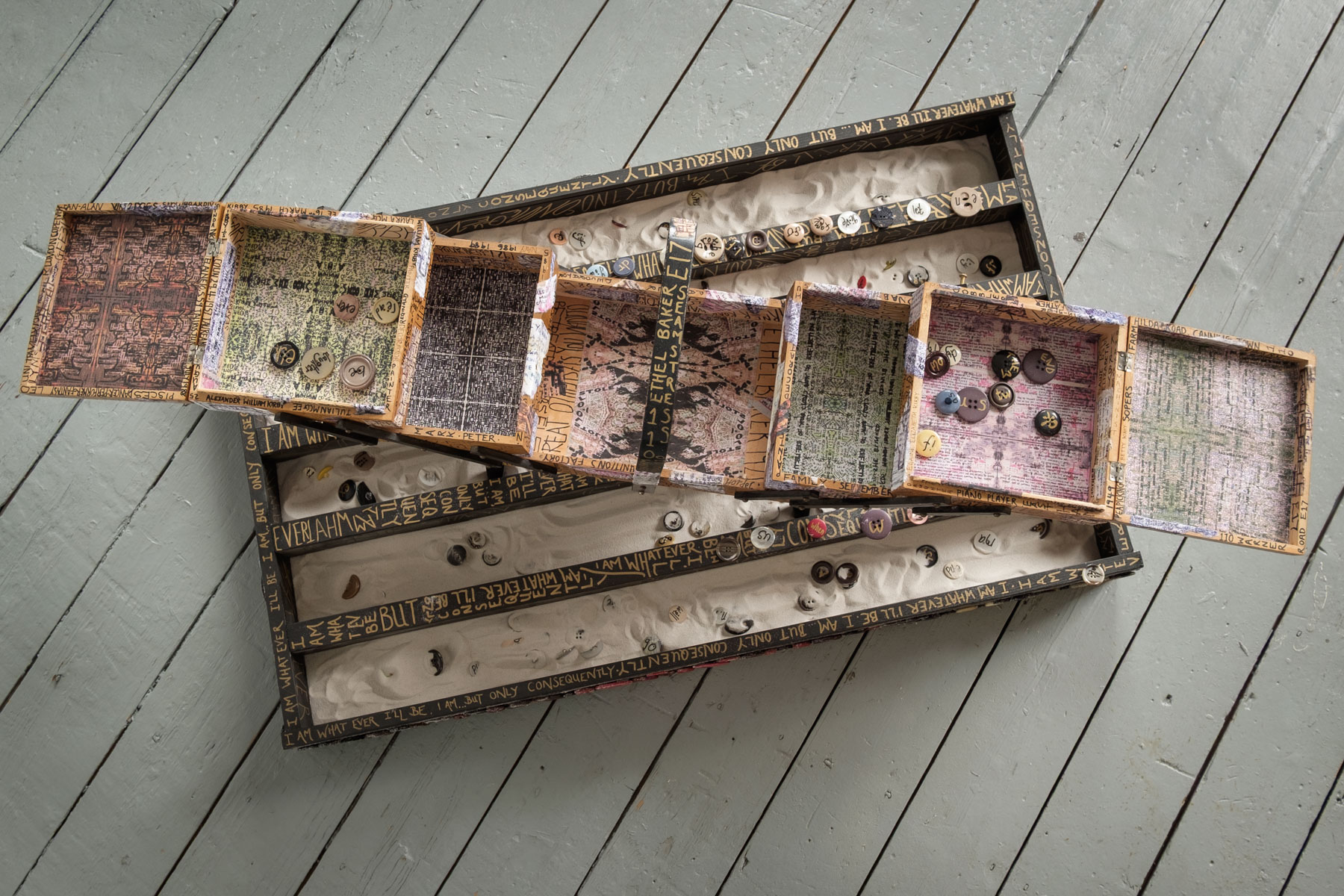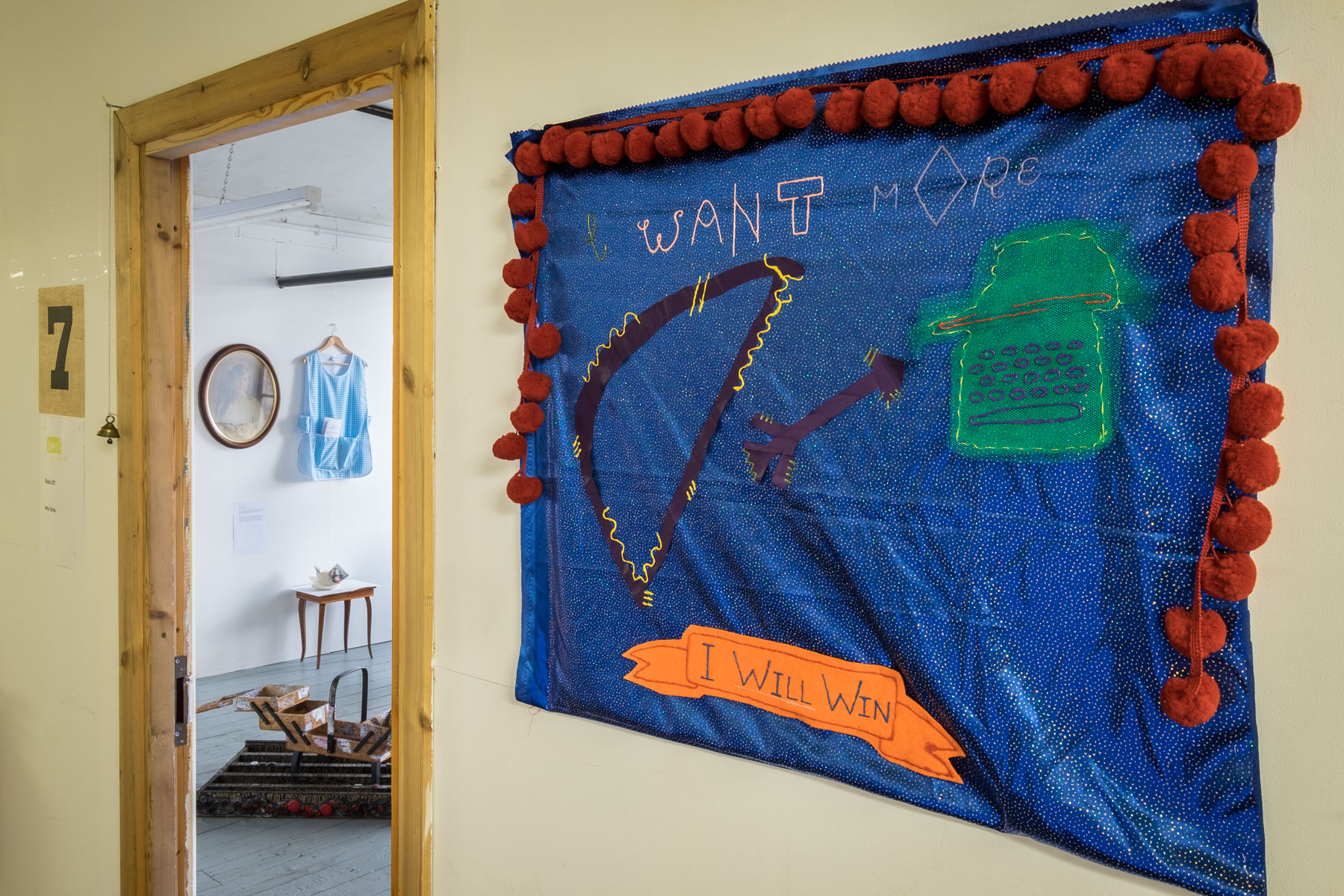
…I Clinched It…!
Zoe Robertson
2016 · Hope Mill, Manchester
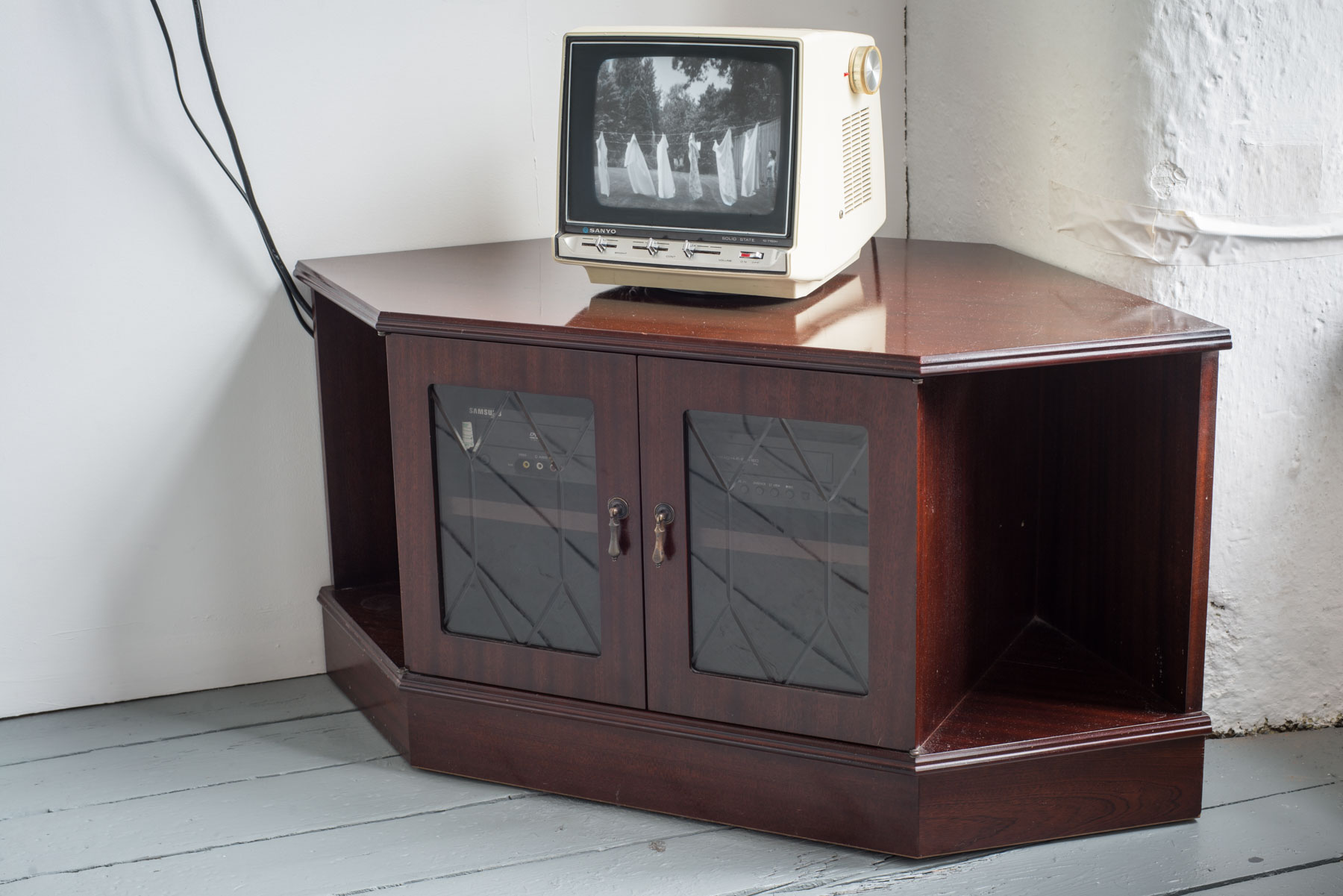
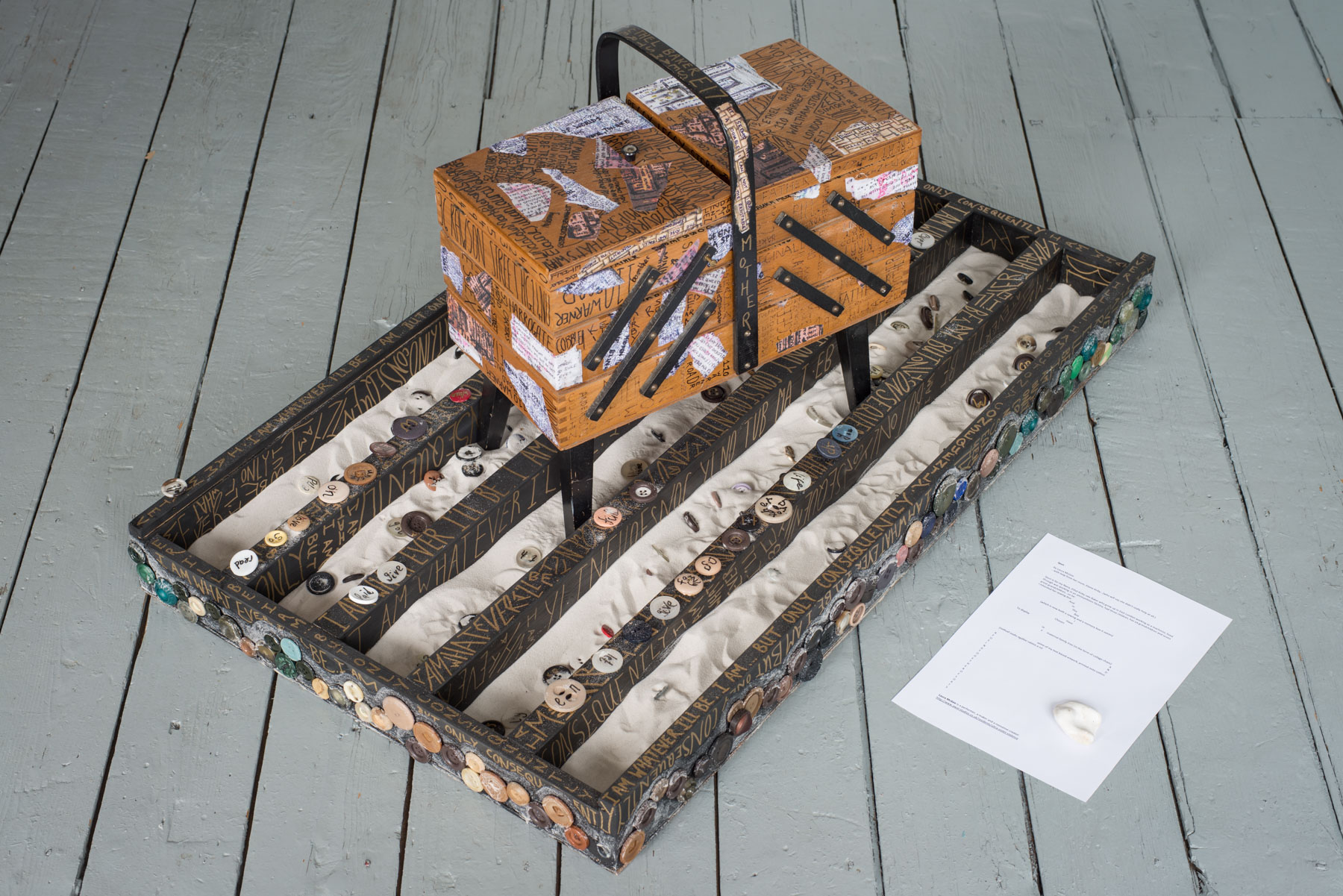
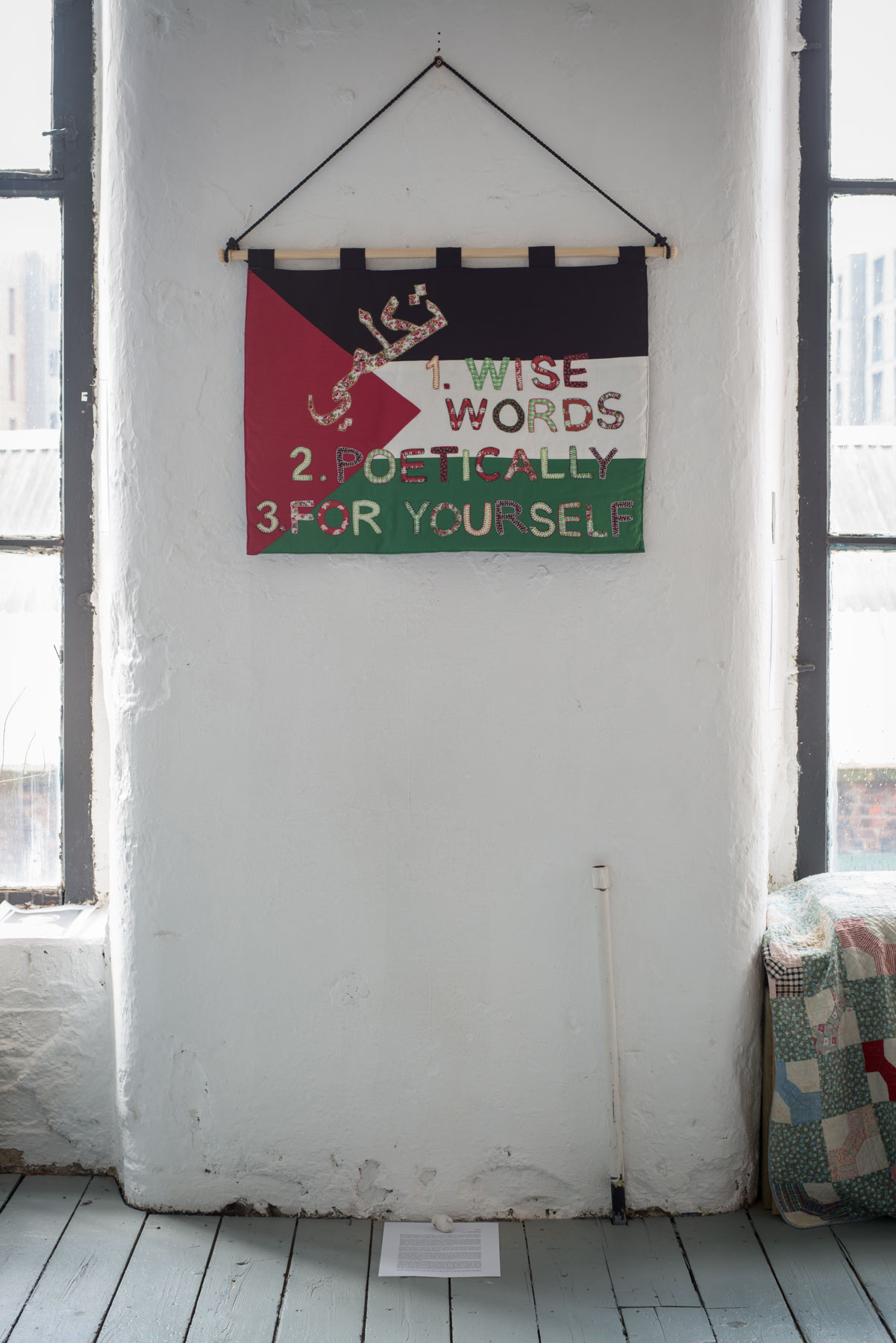
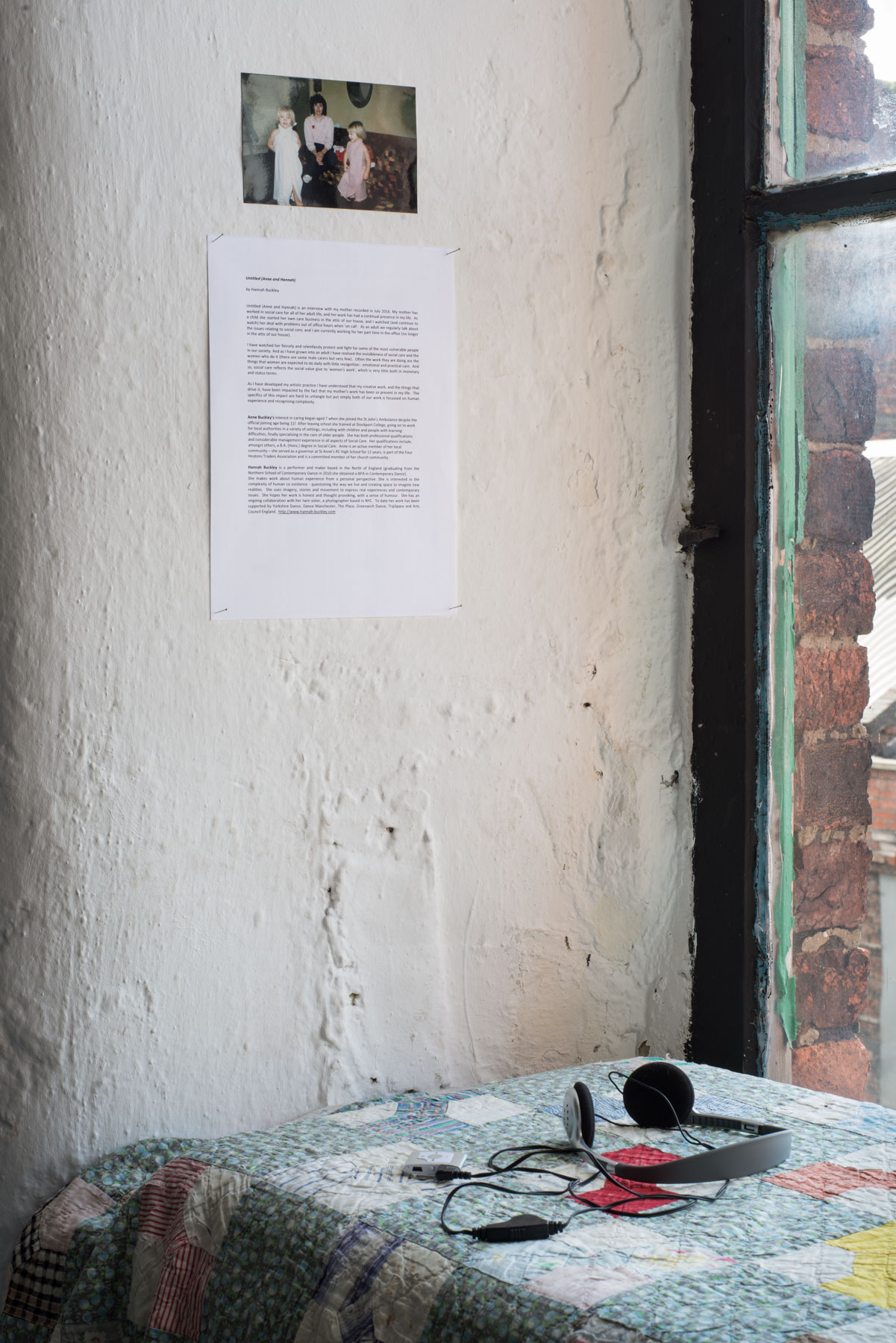
An exhibition and participatory archive of eleven artists’ responses to paid, unpaid, familial and creative work.
About the project
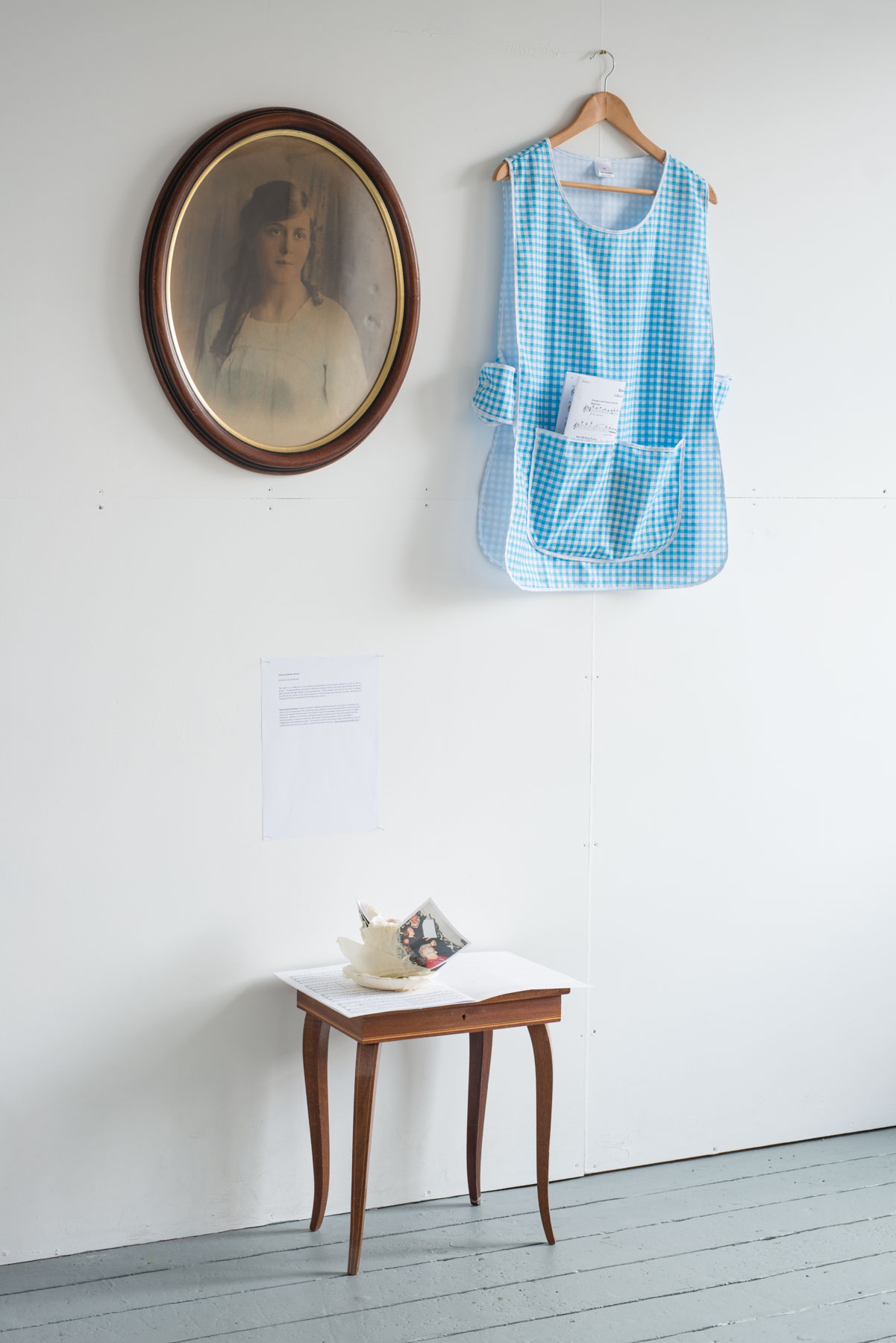
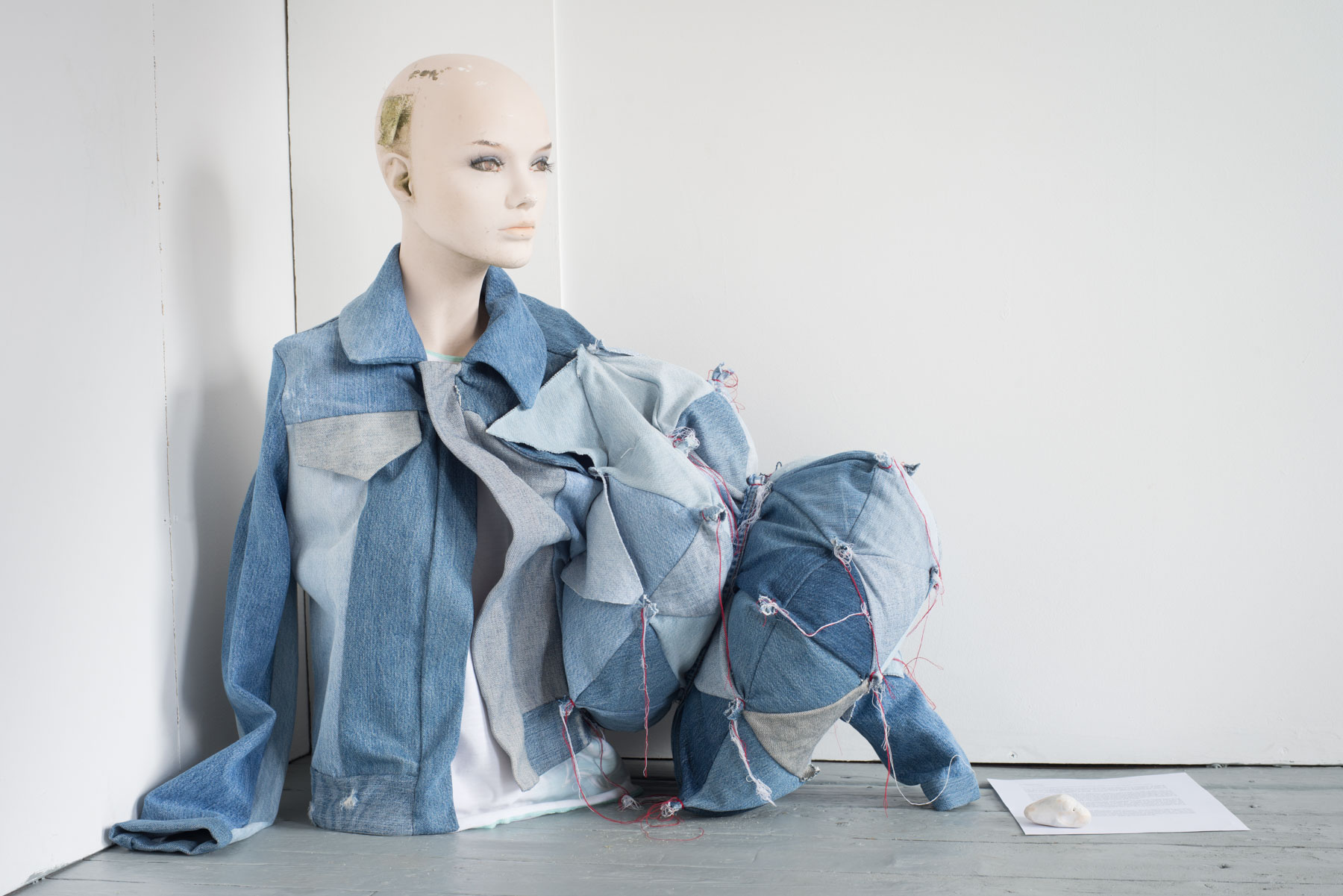
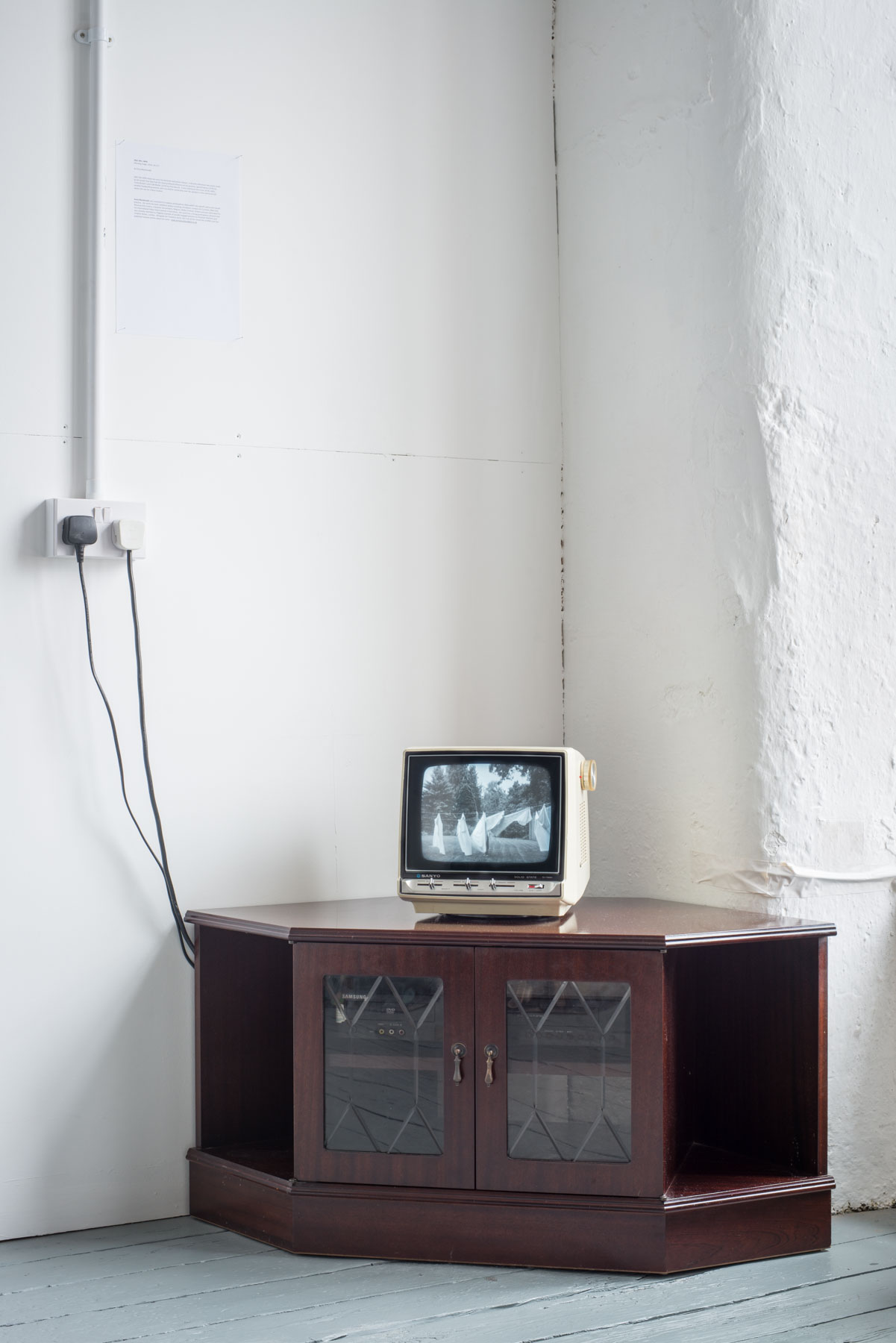
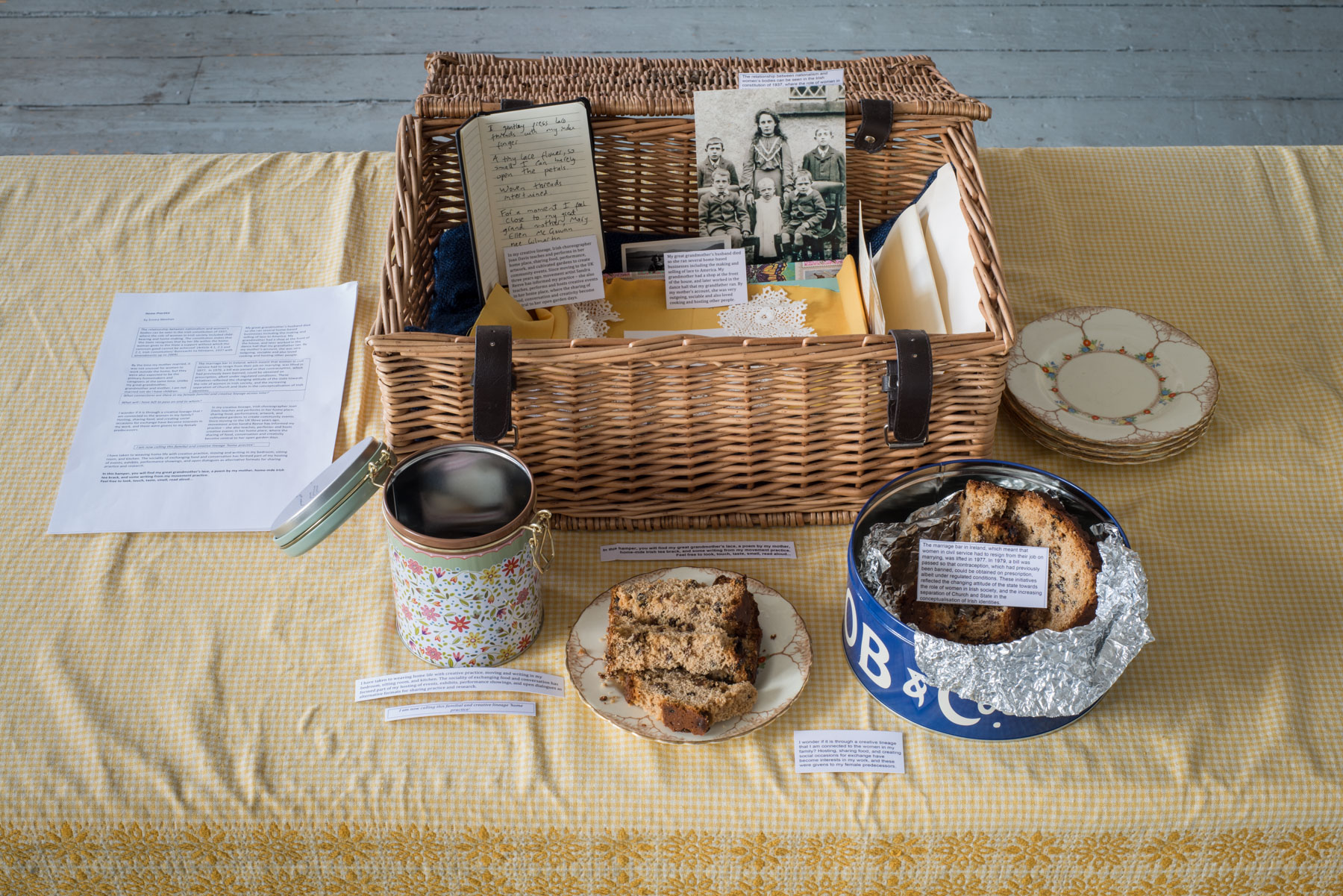
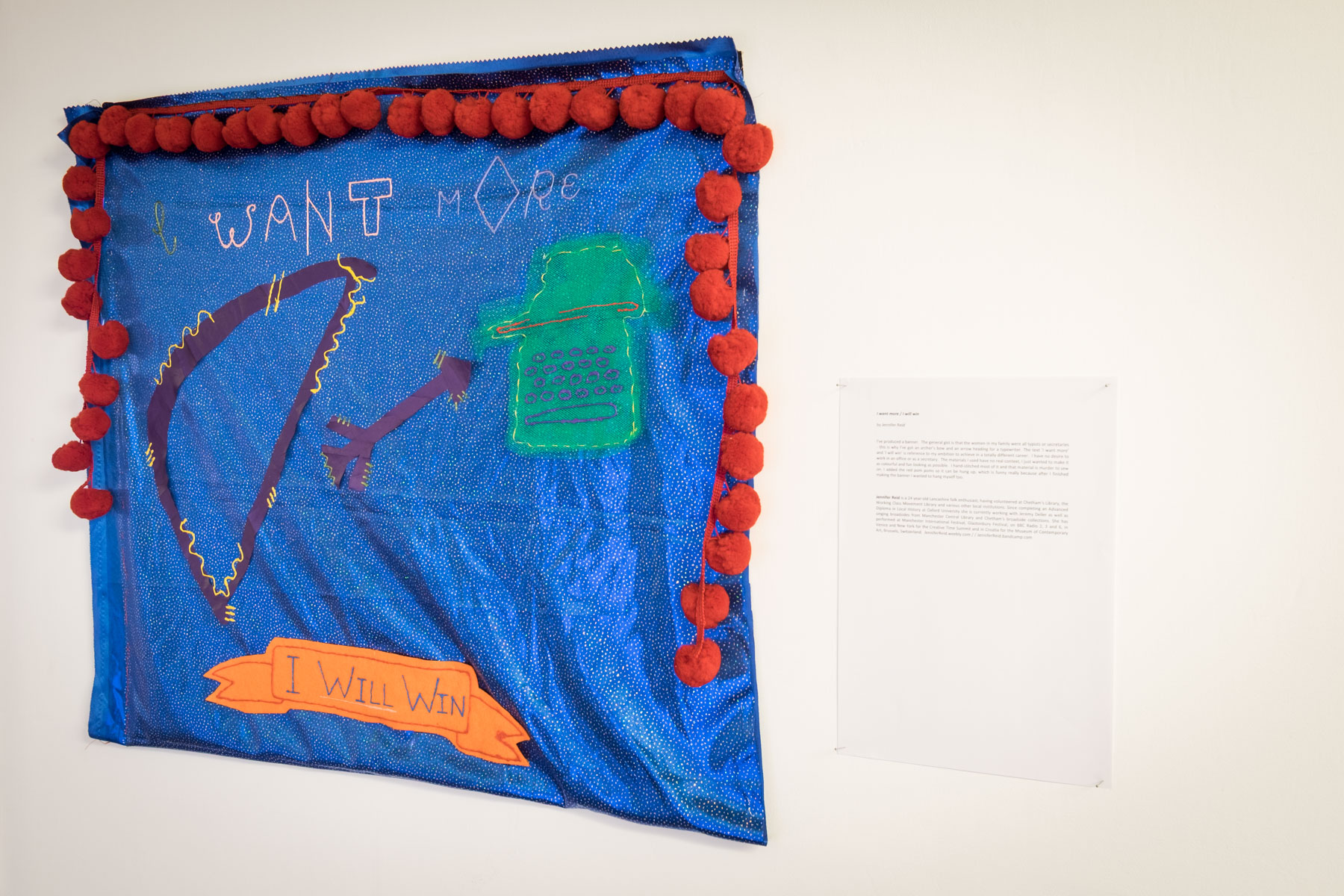
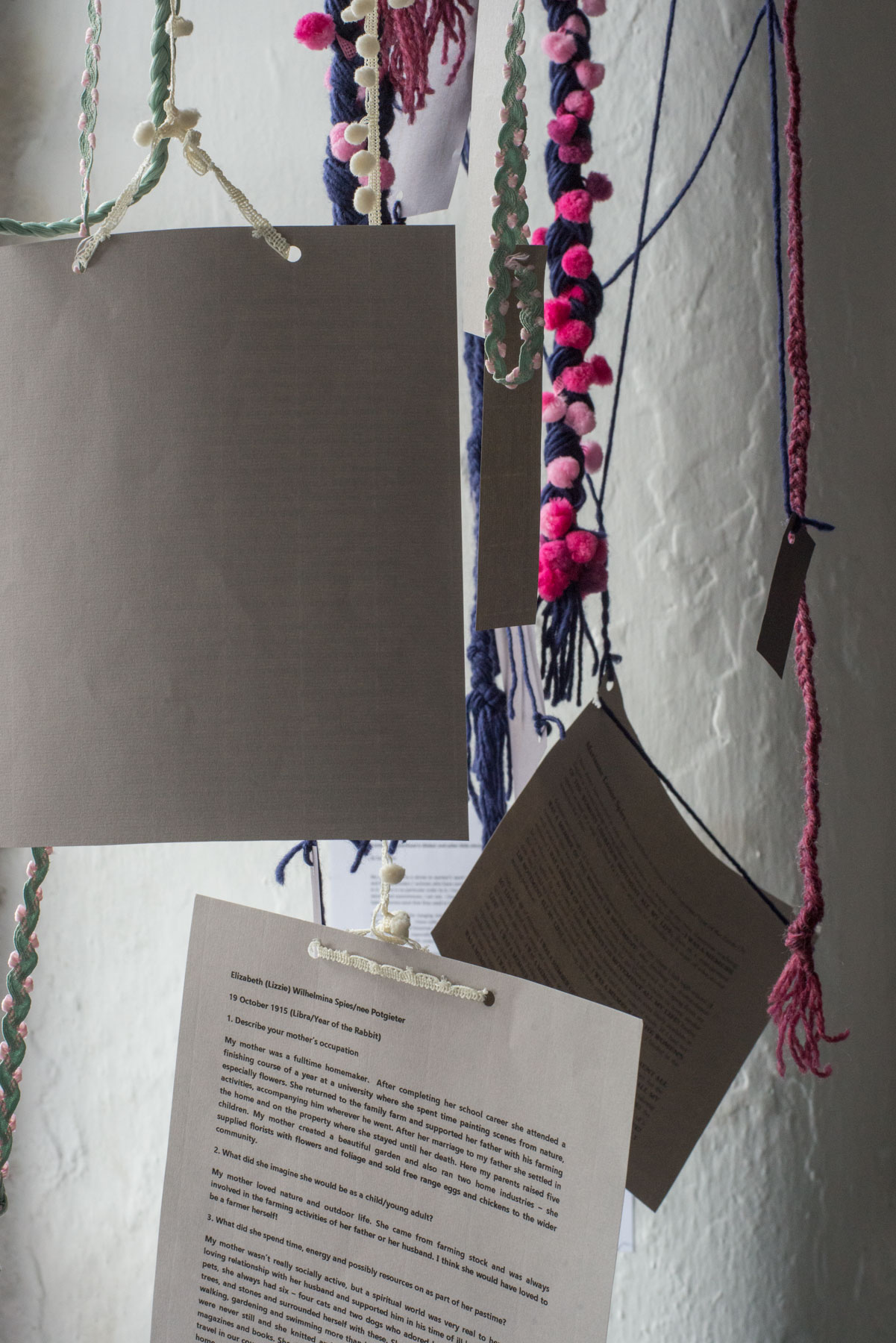
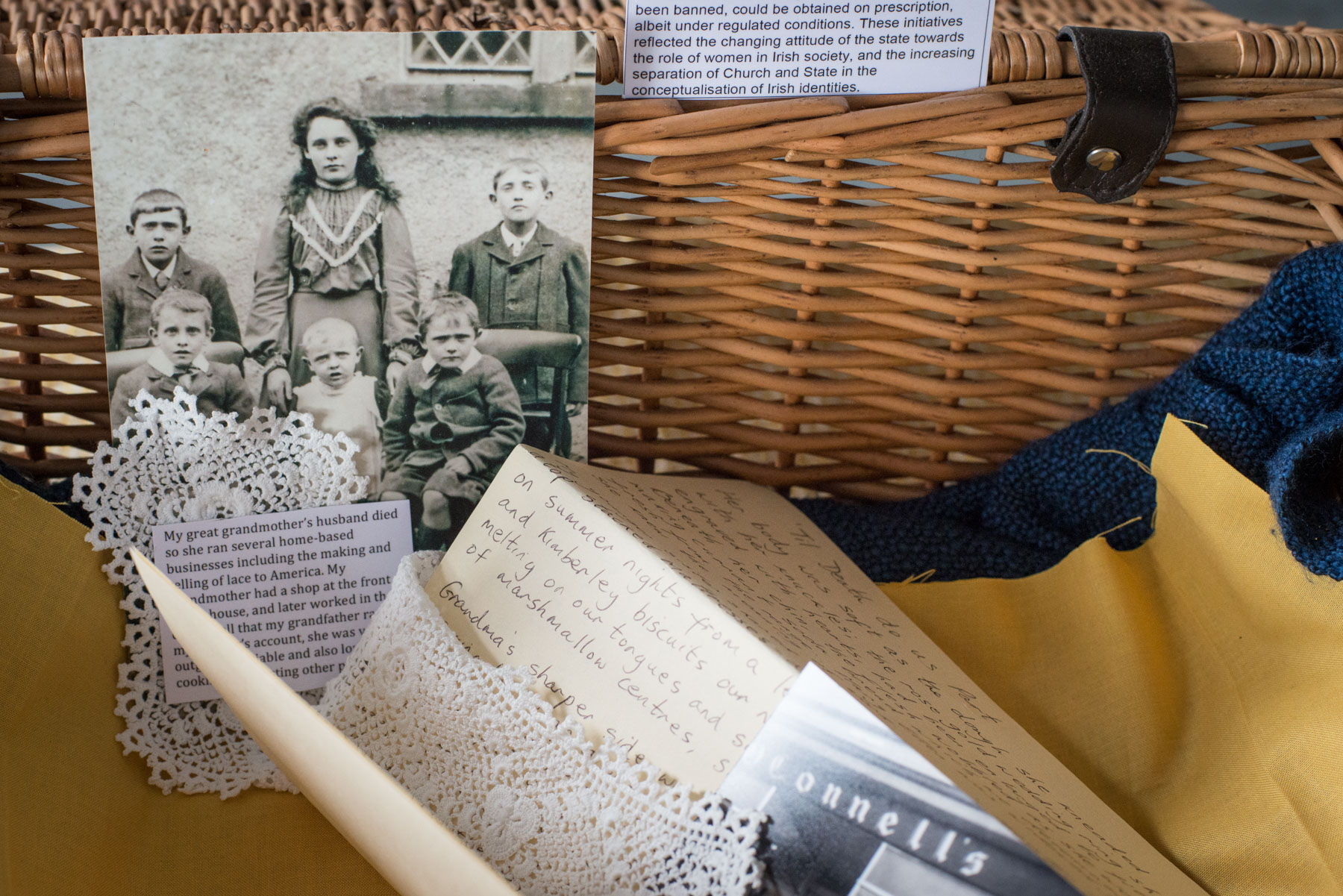
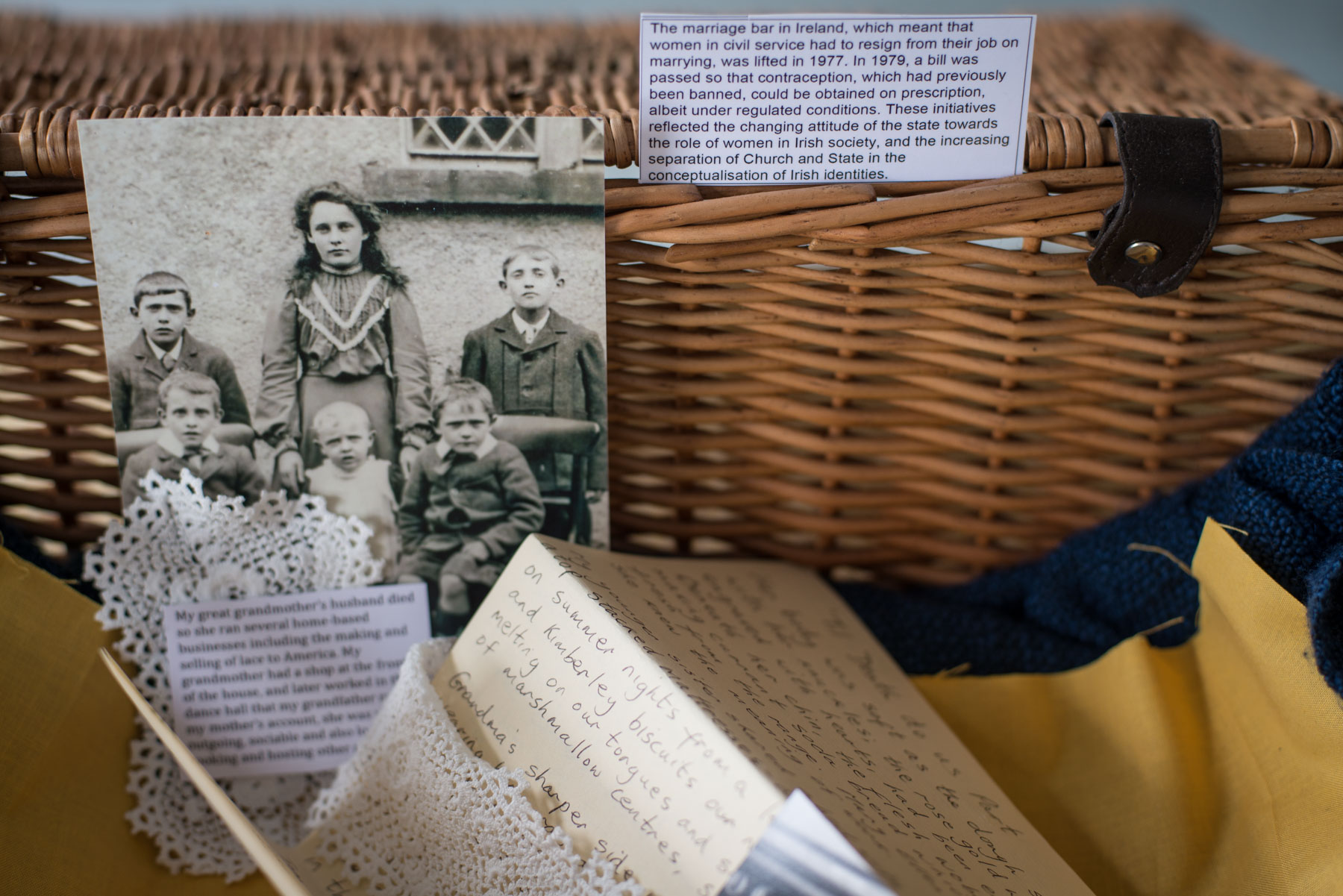
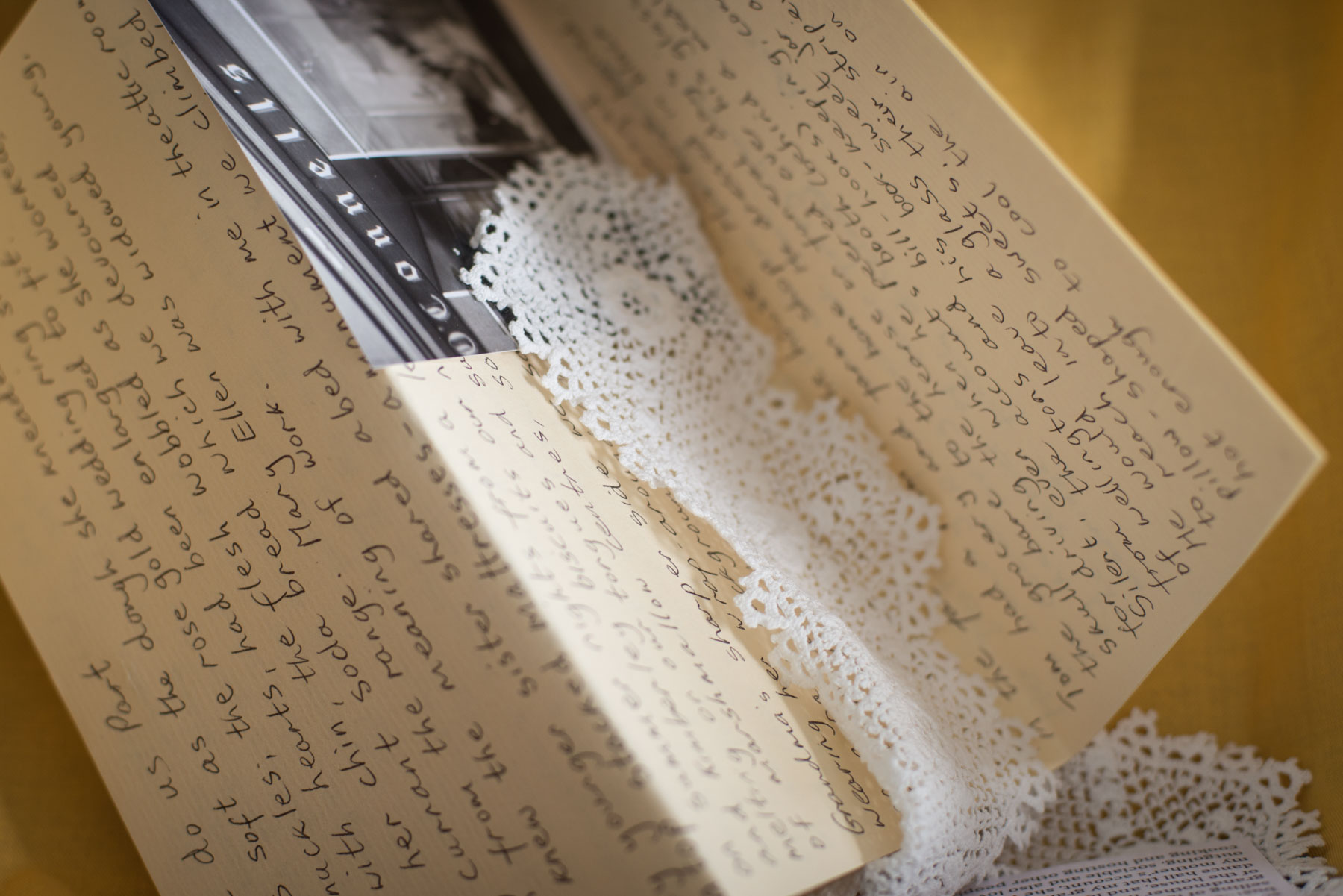
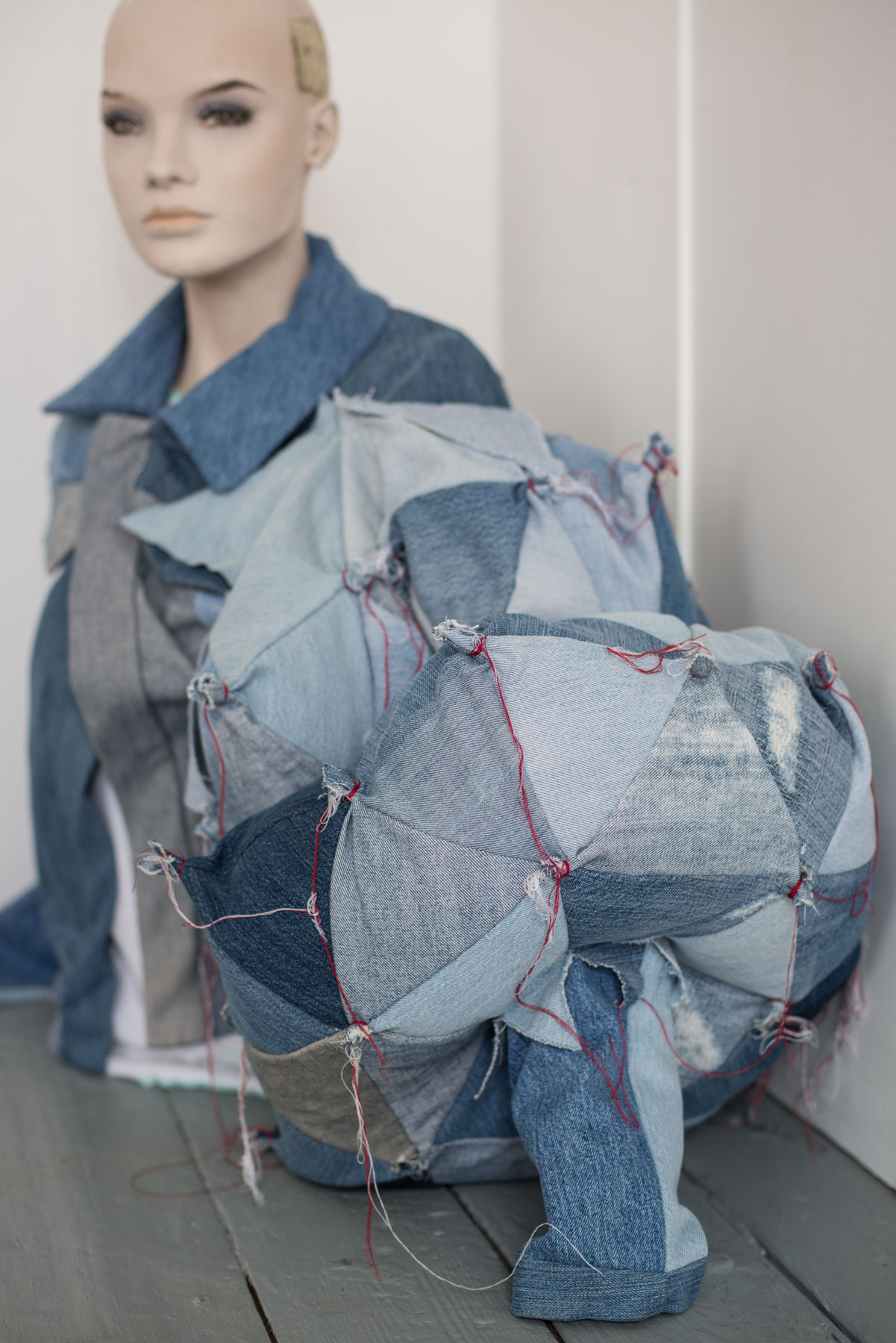
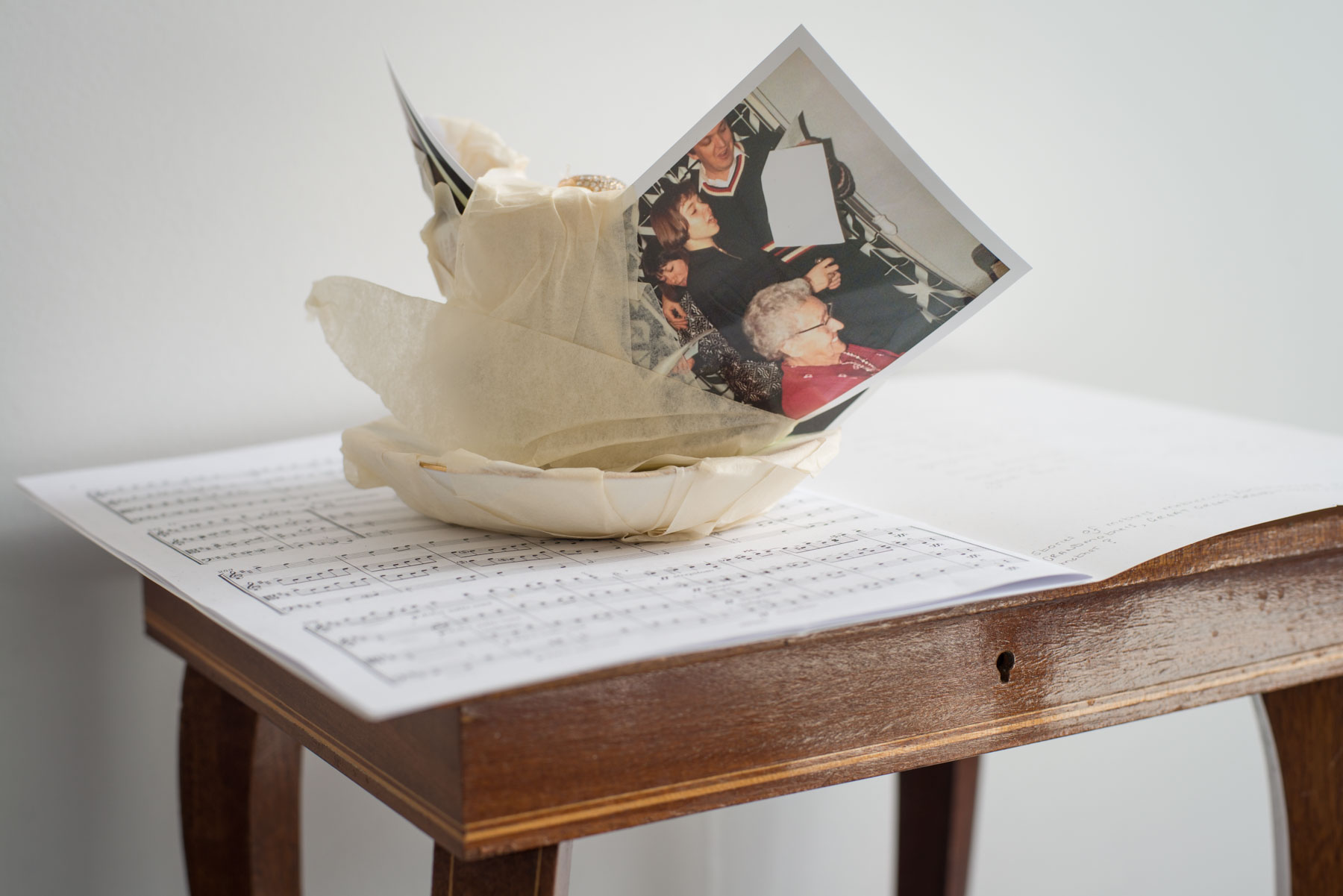
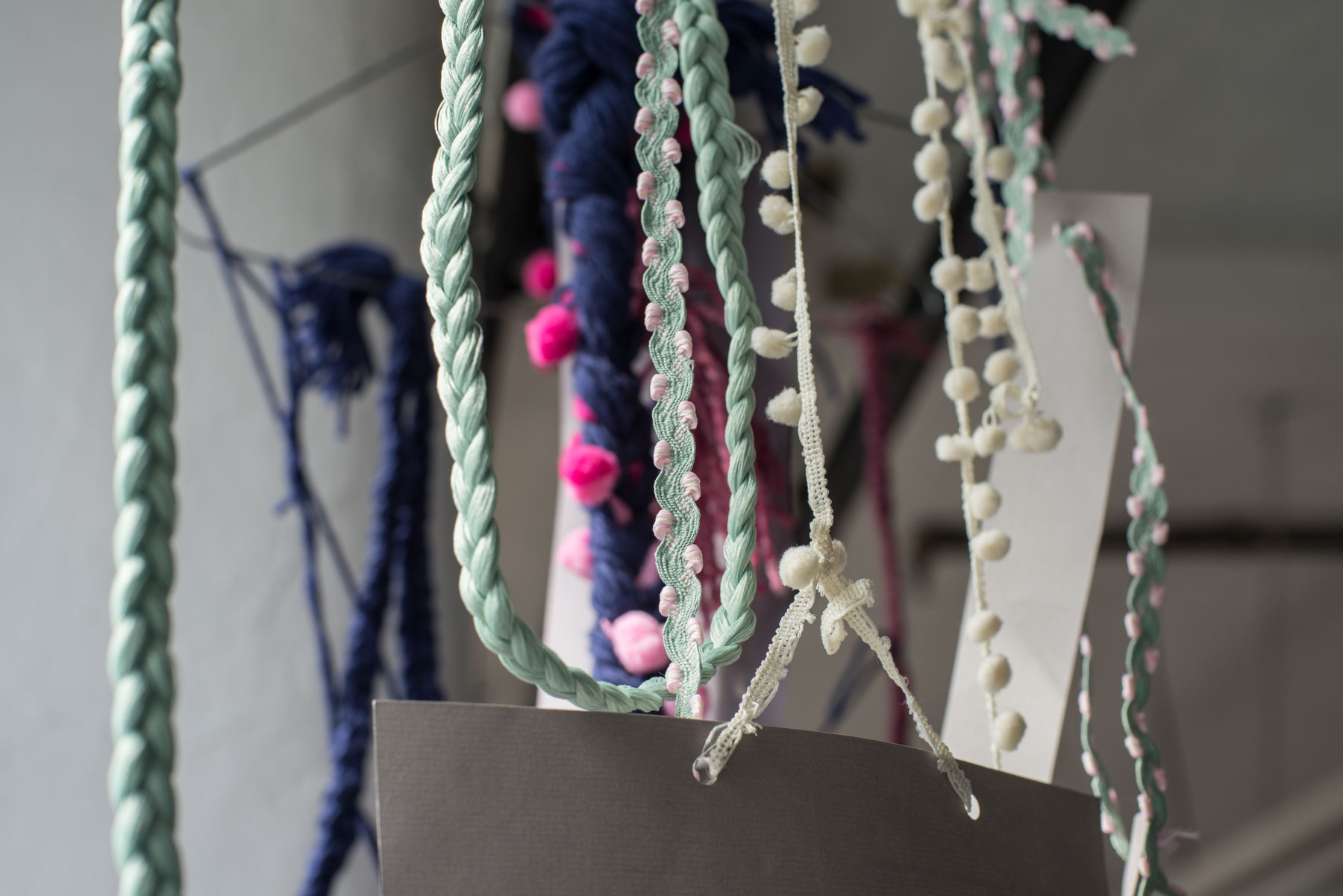
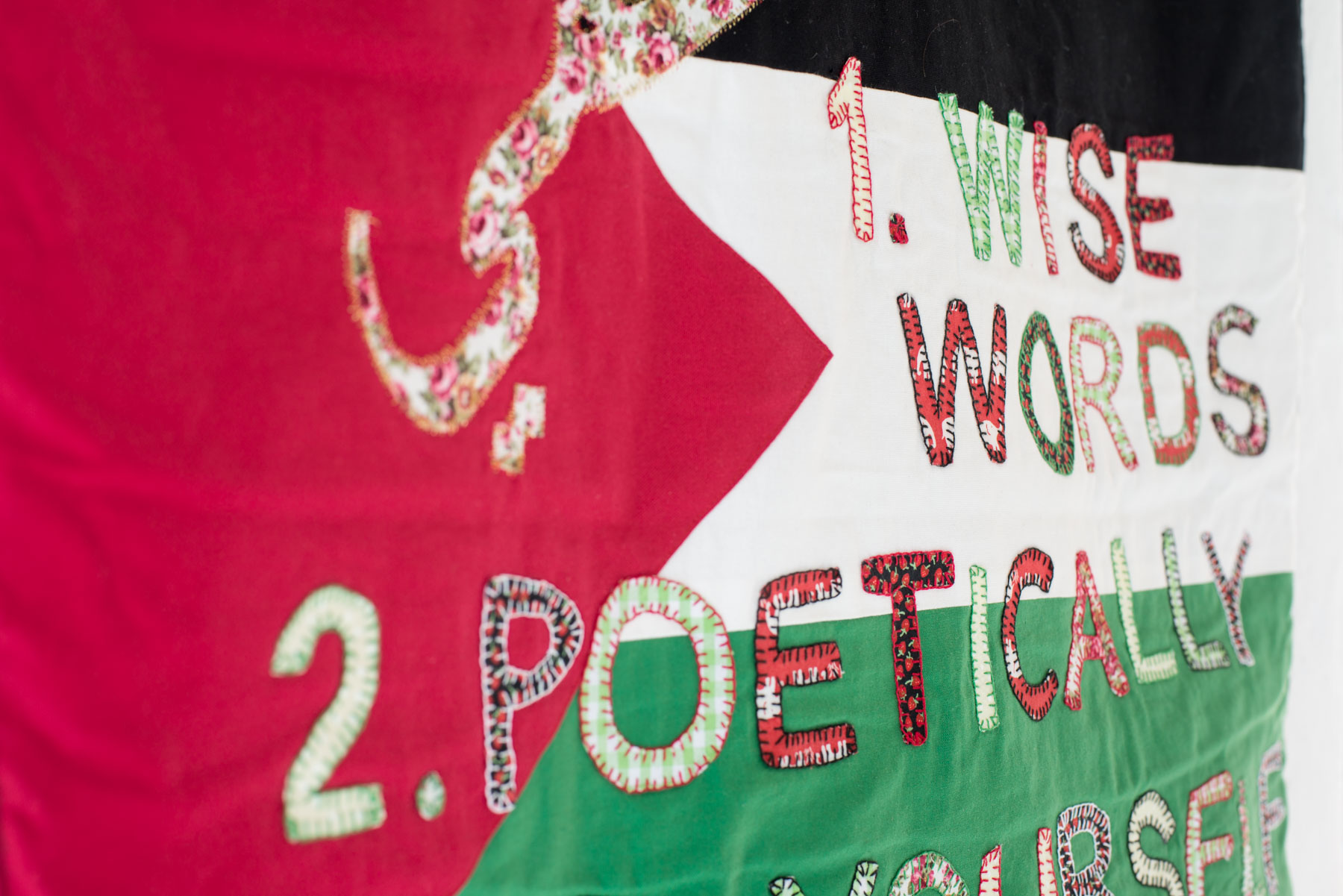
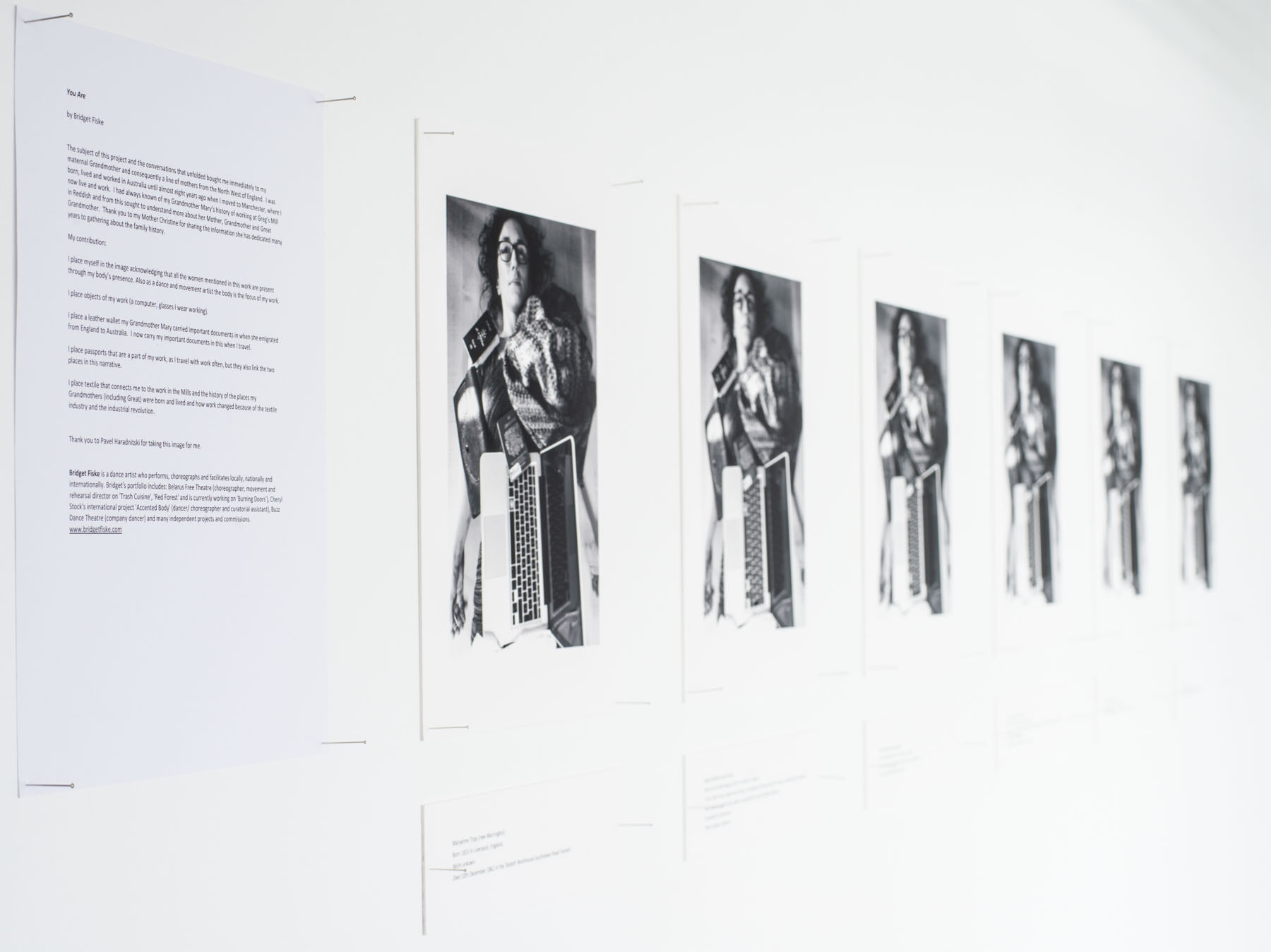
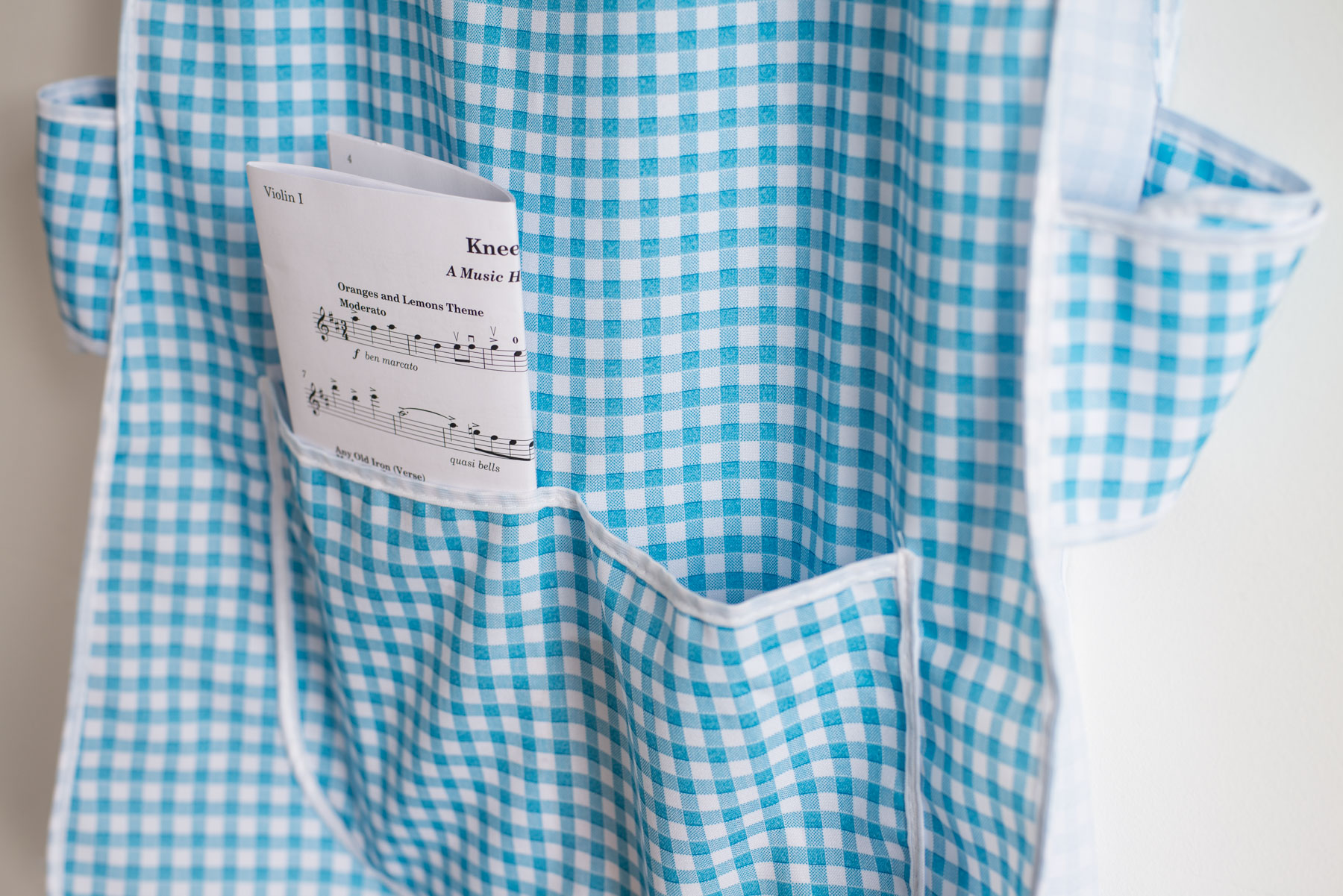
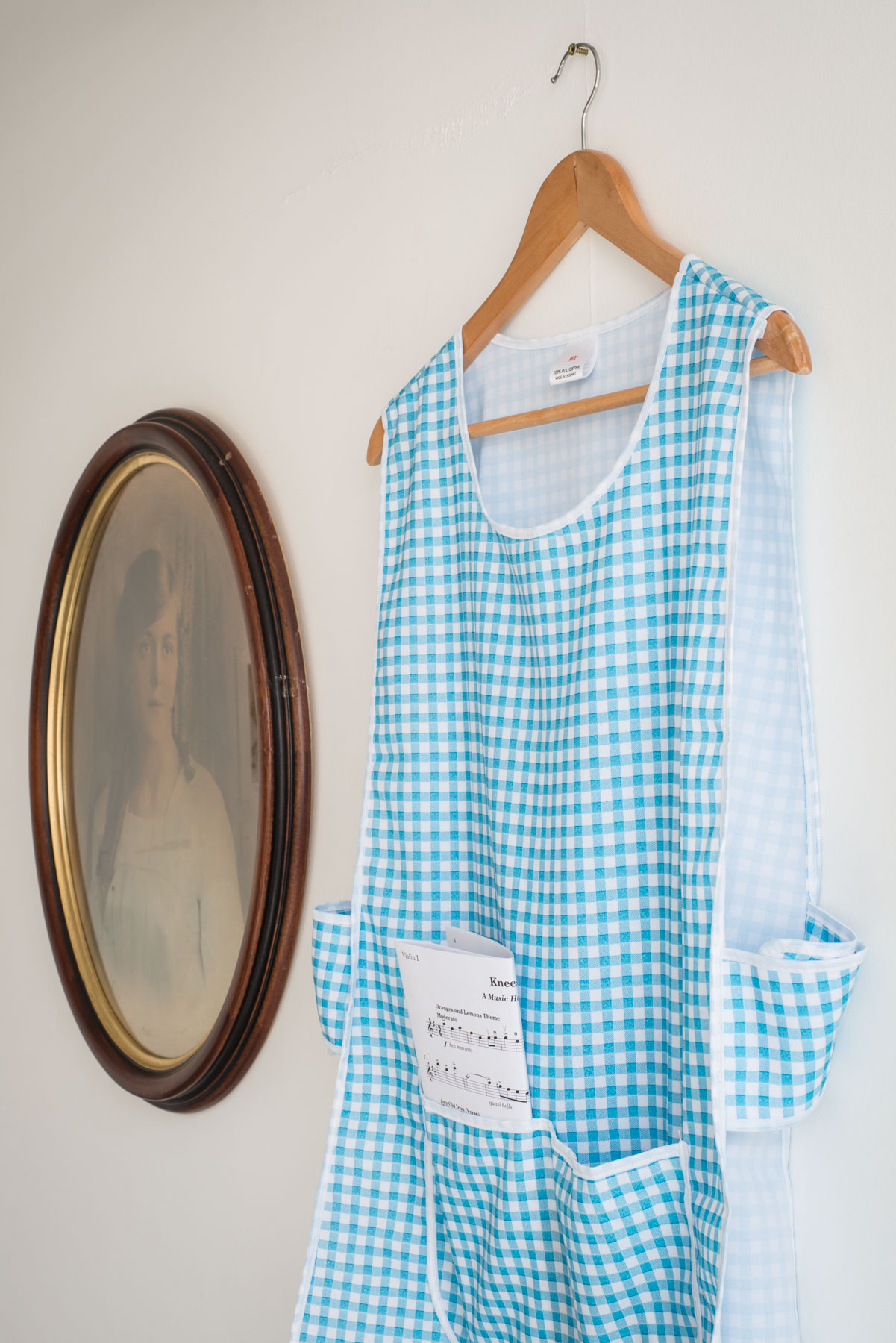
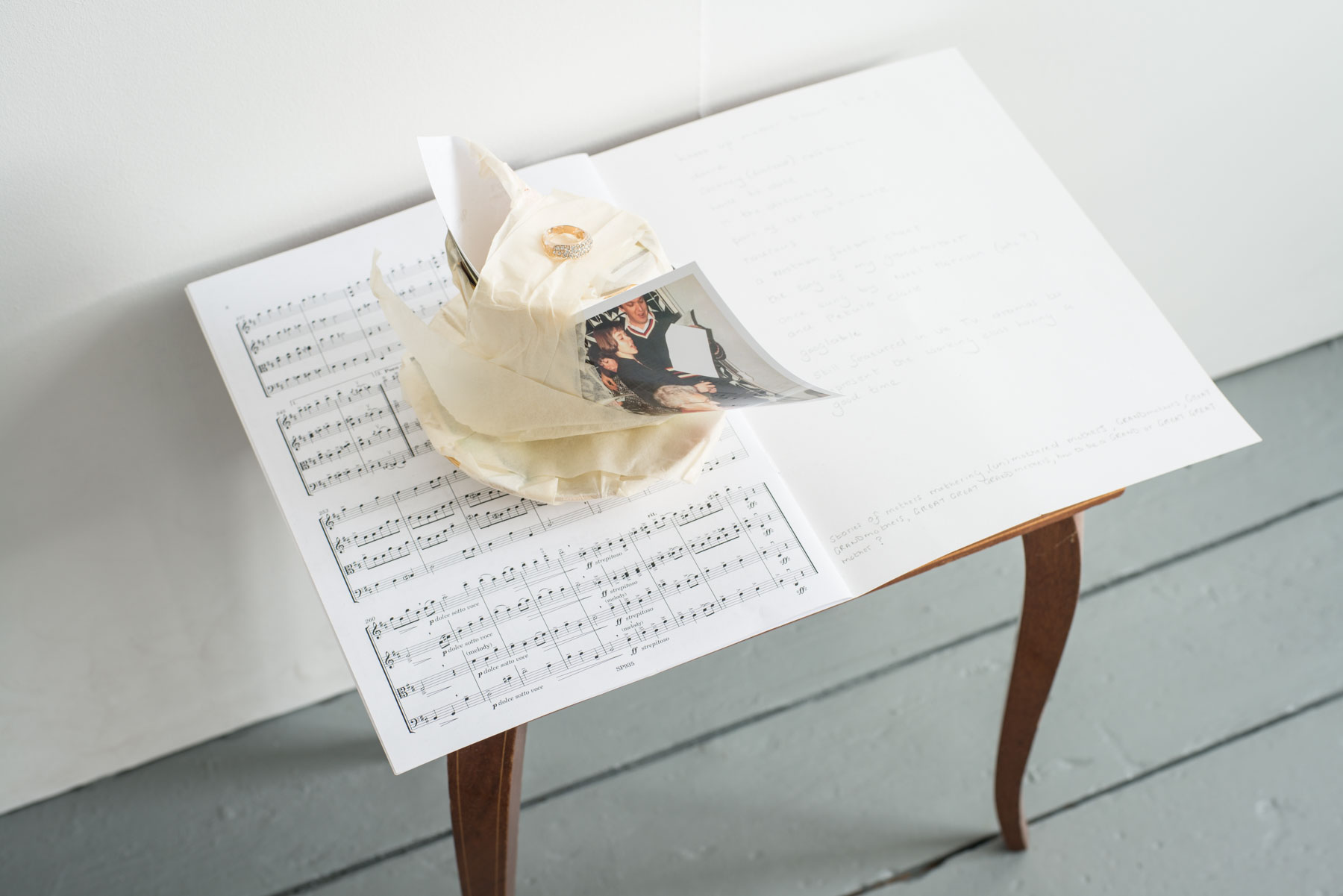
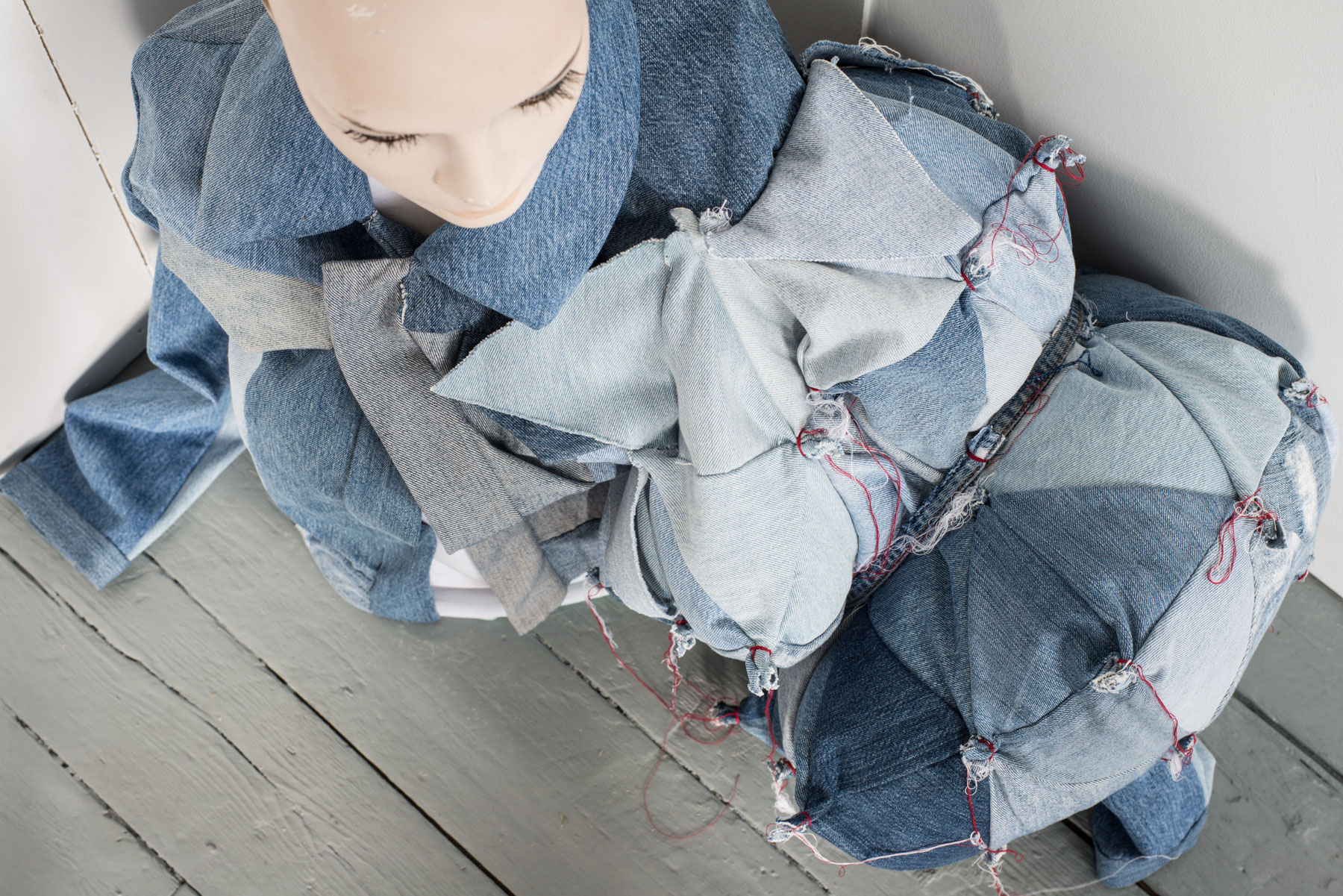
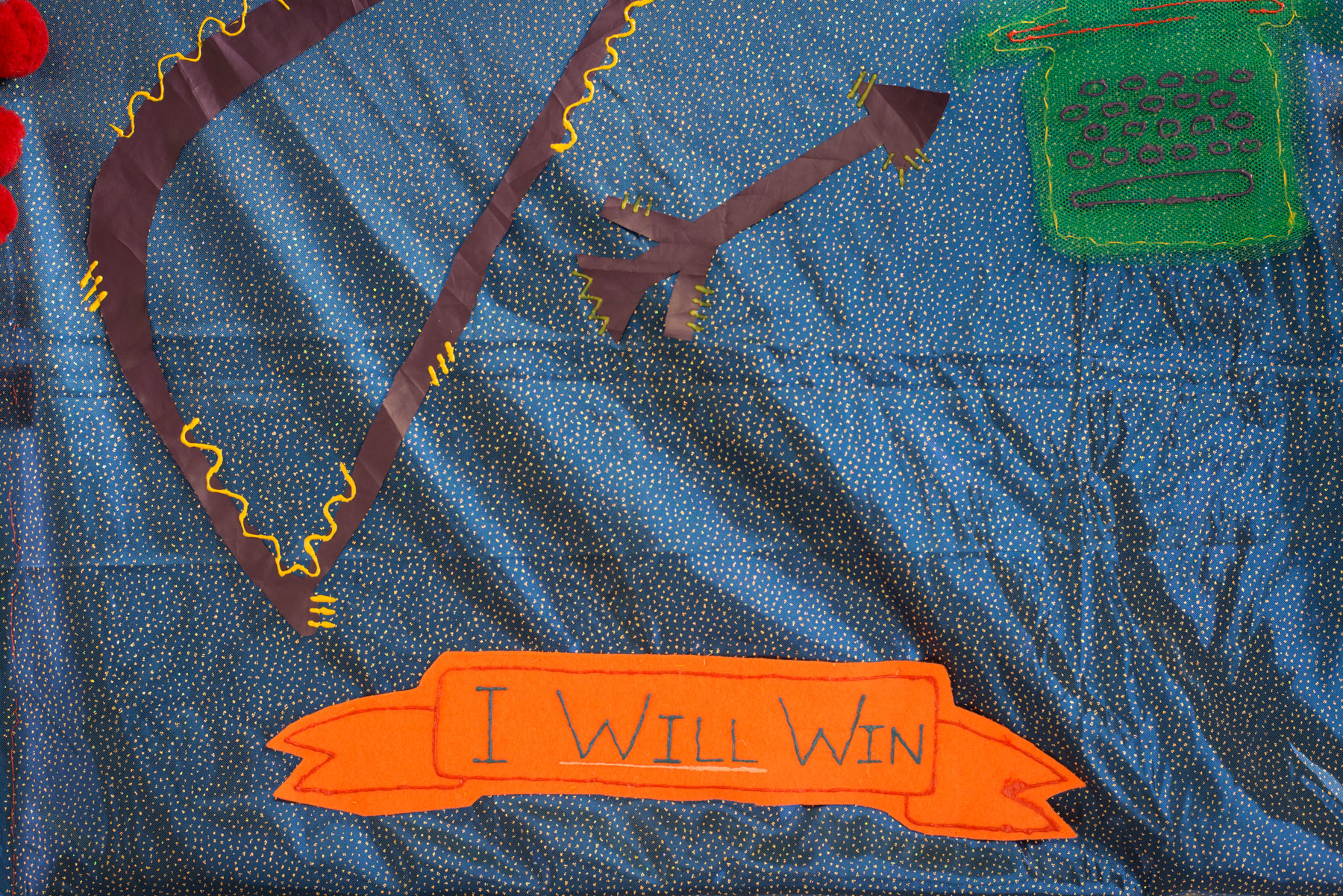
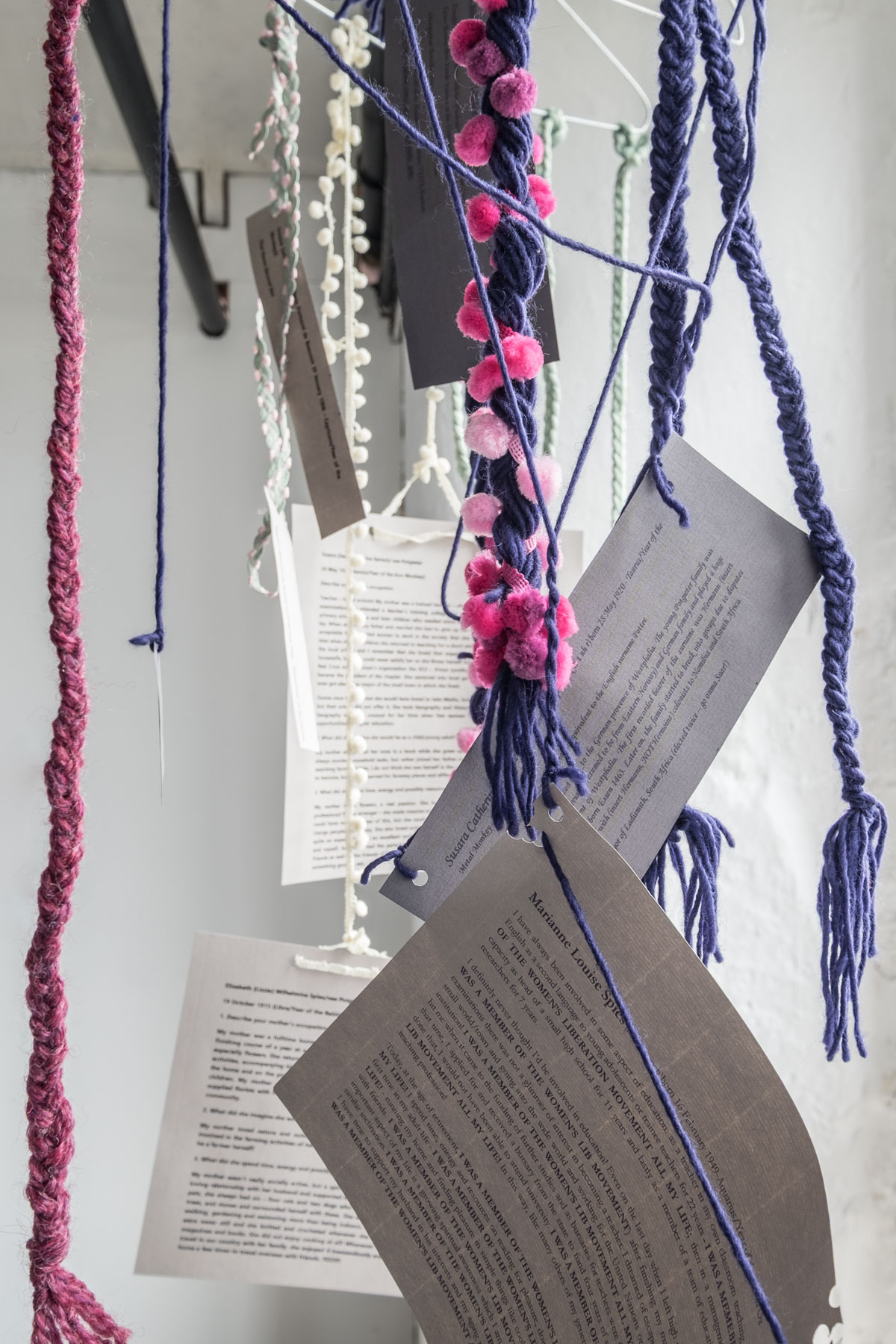
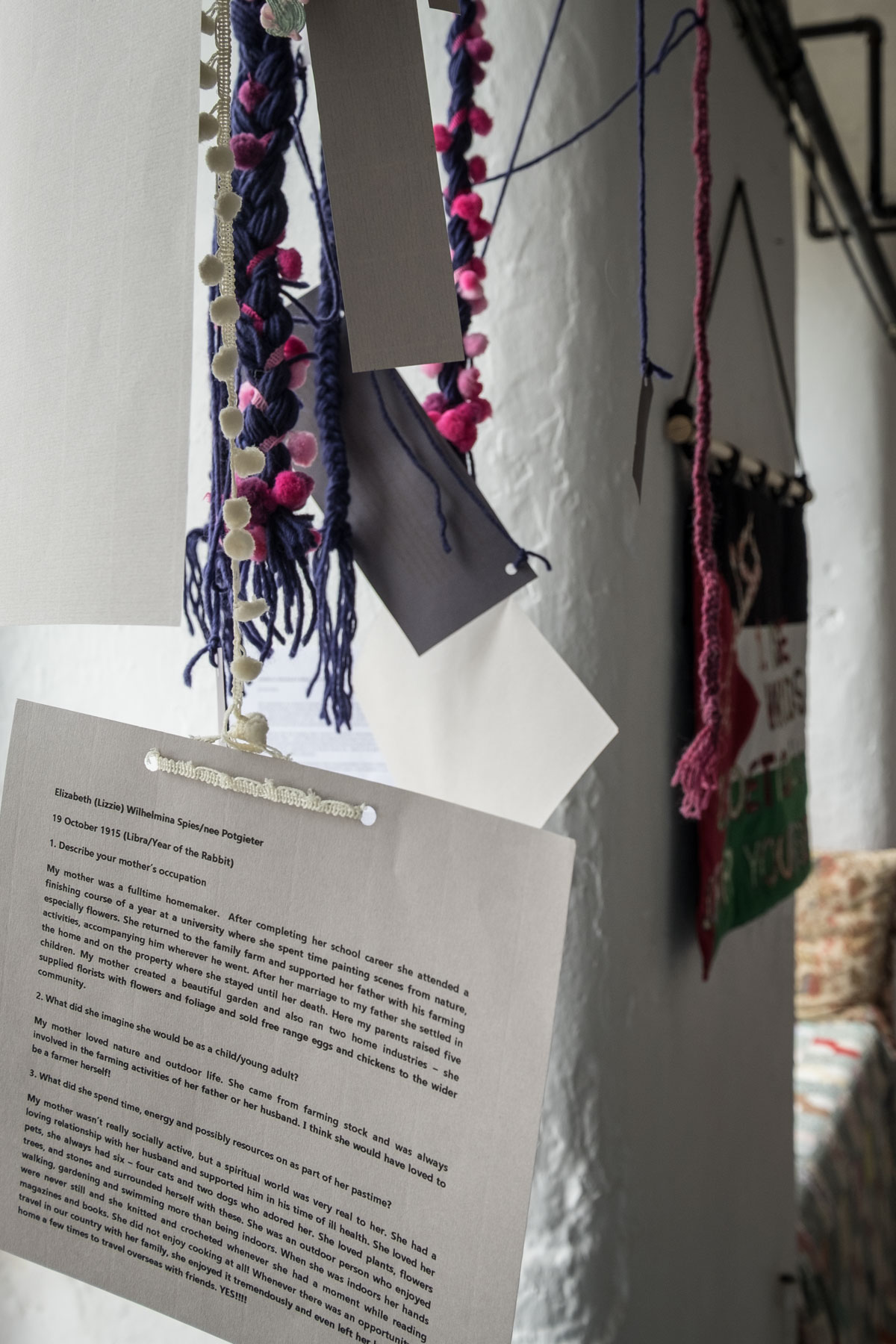
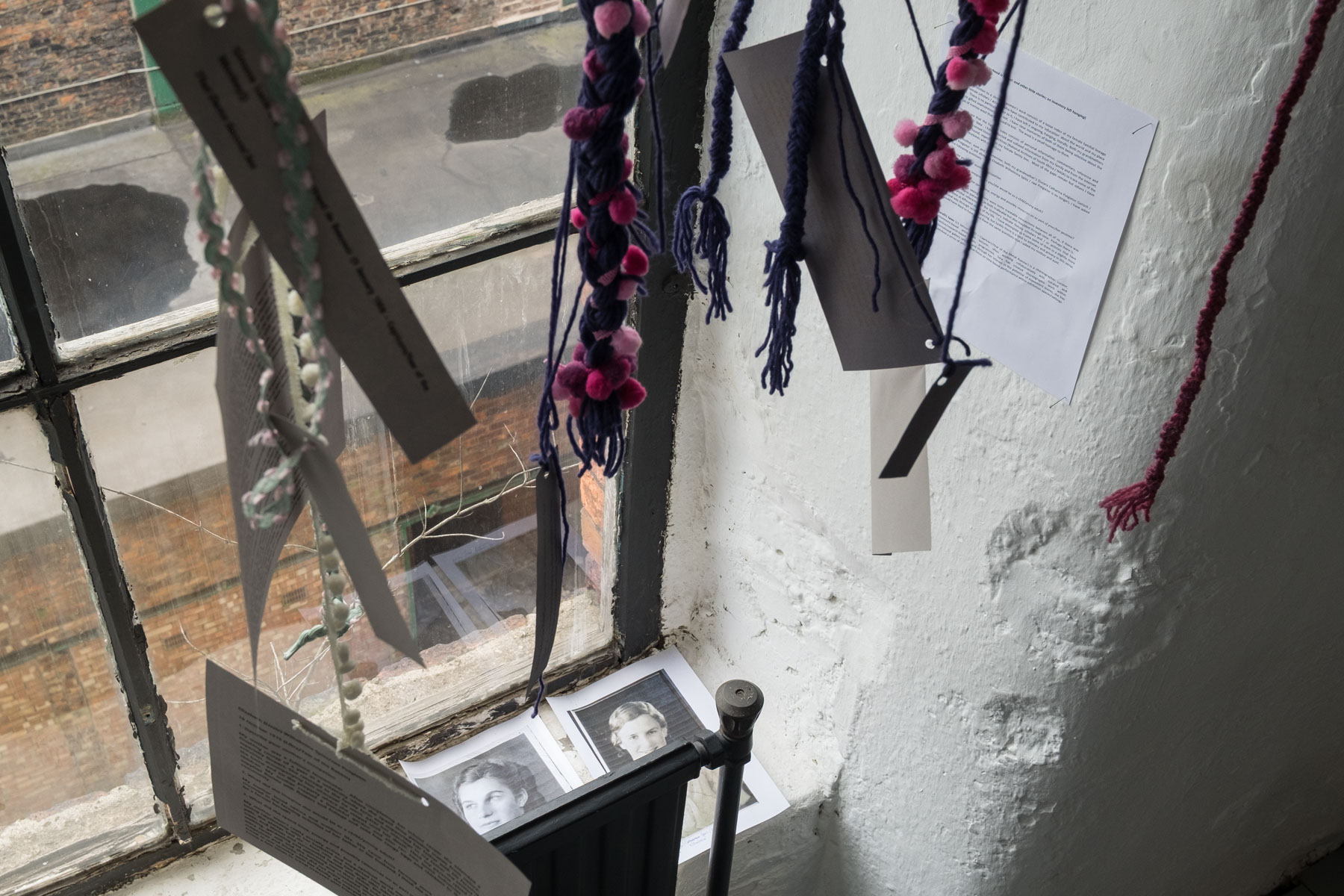
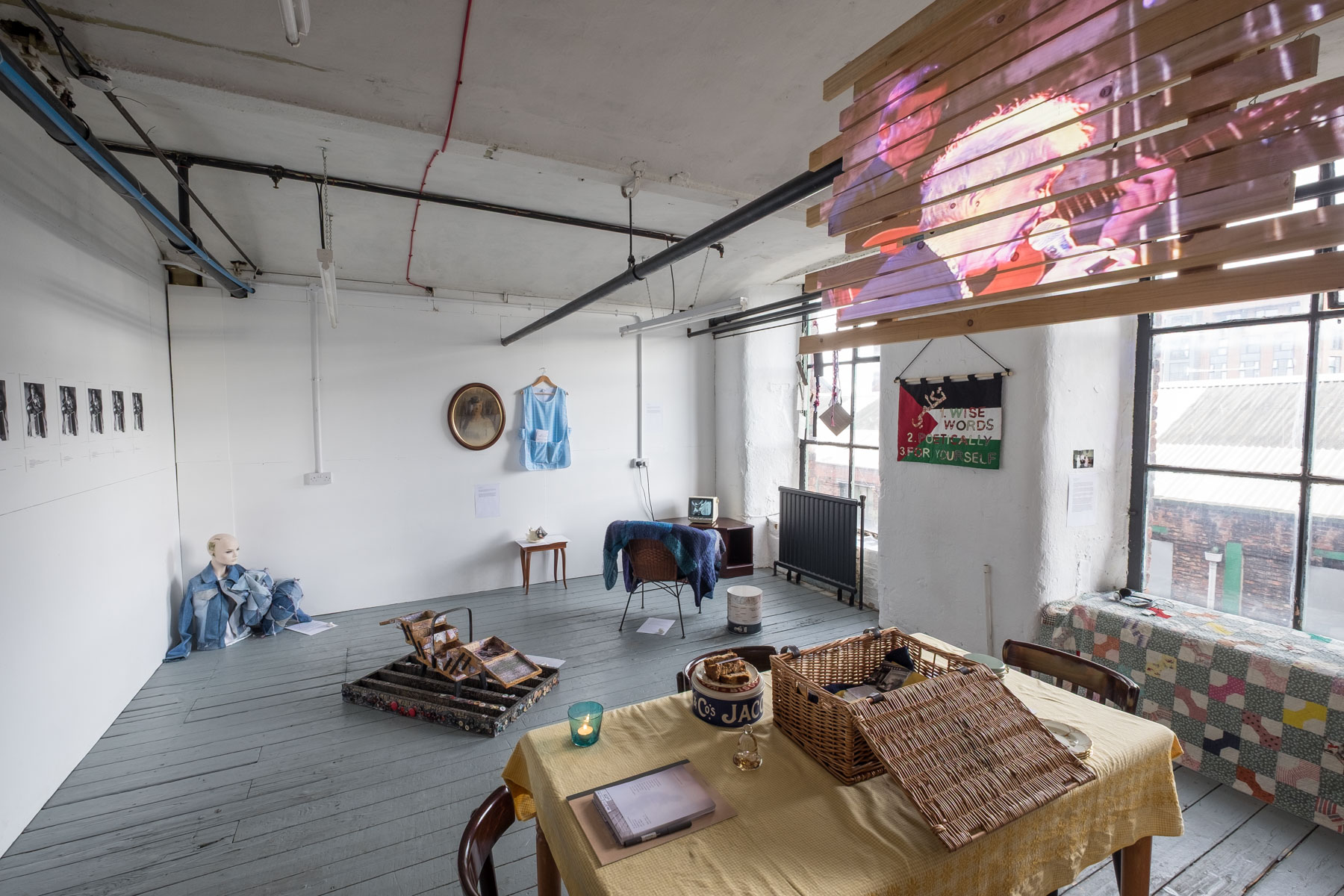
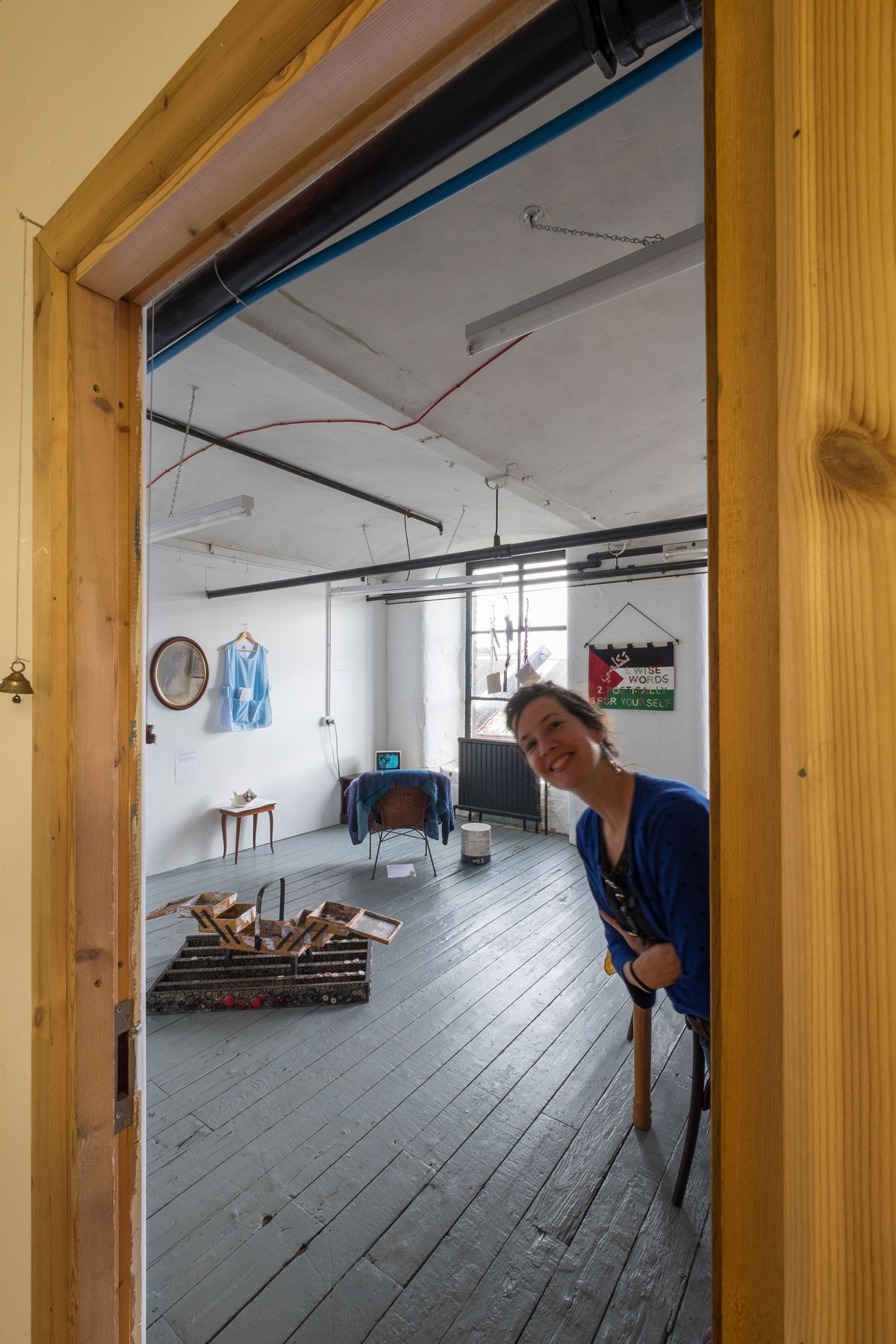
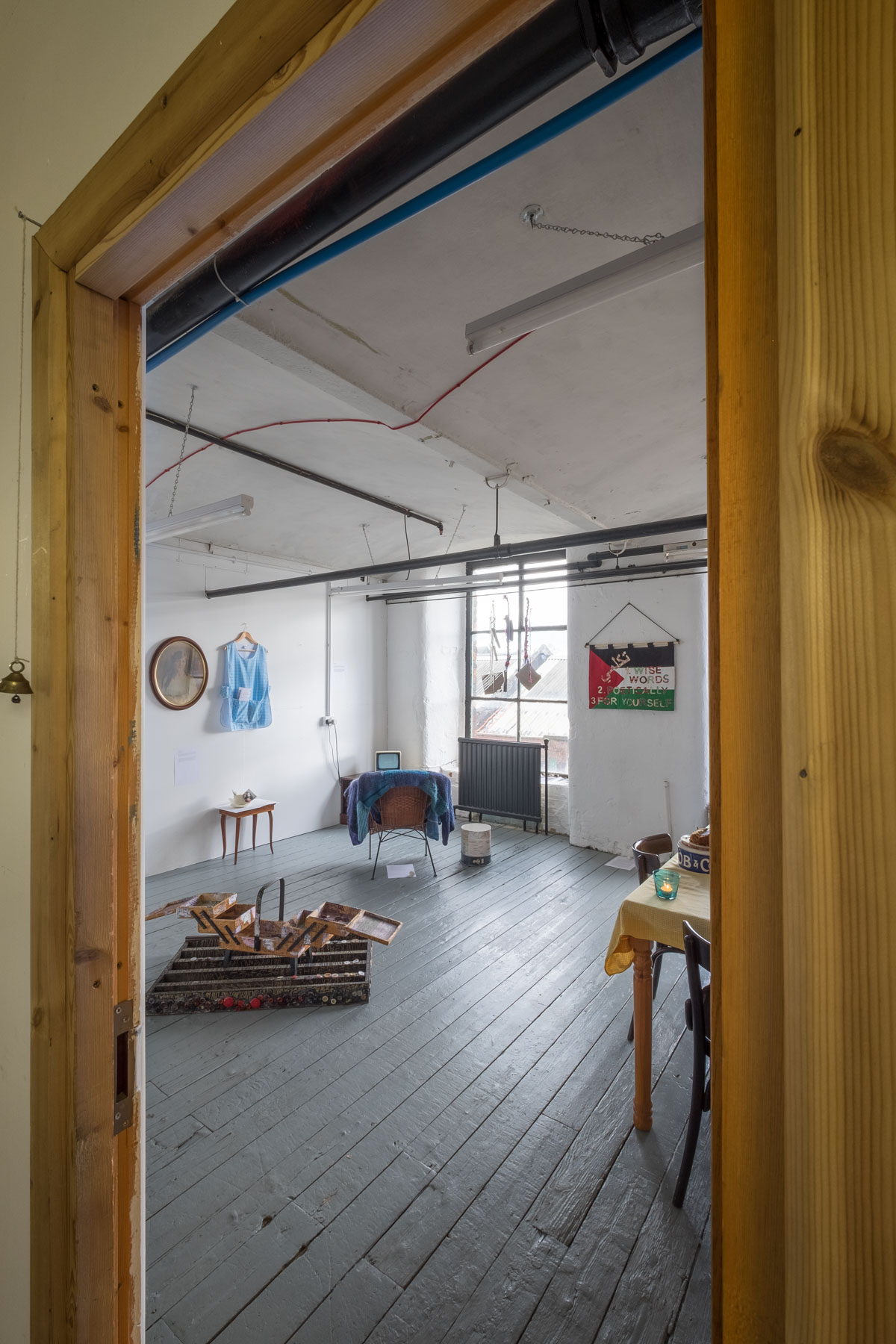
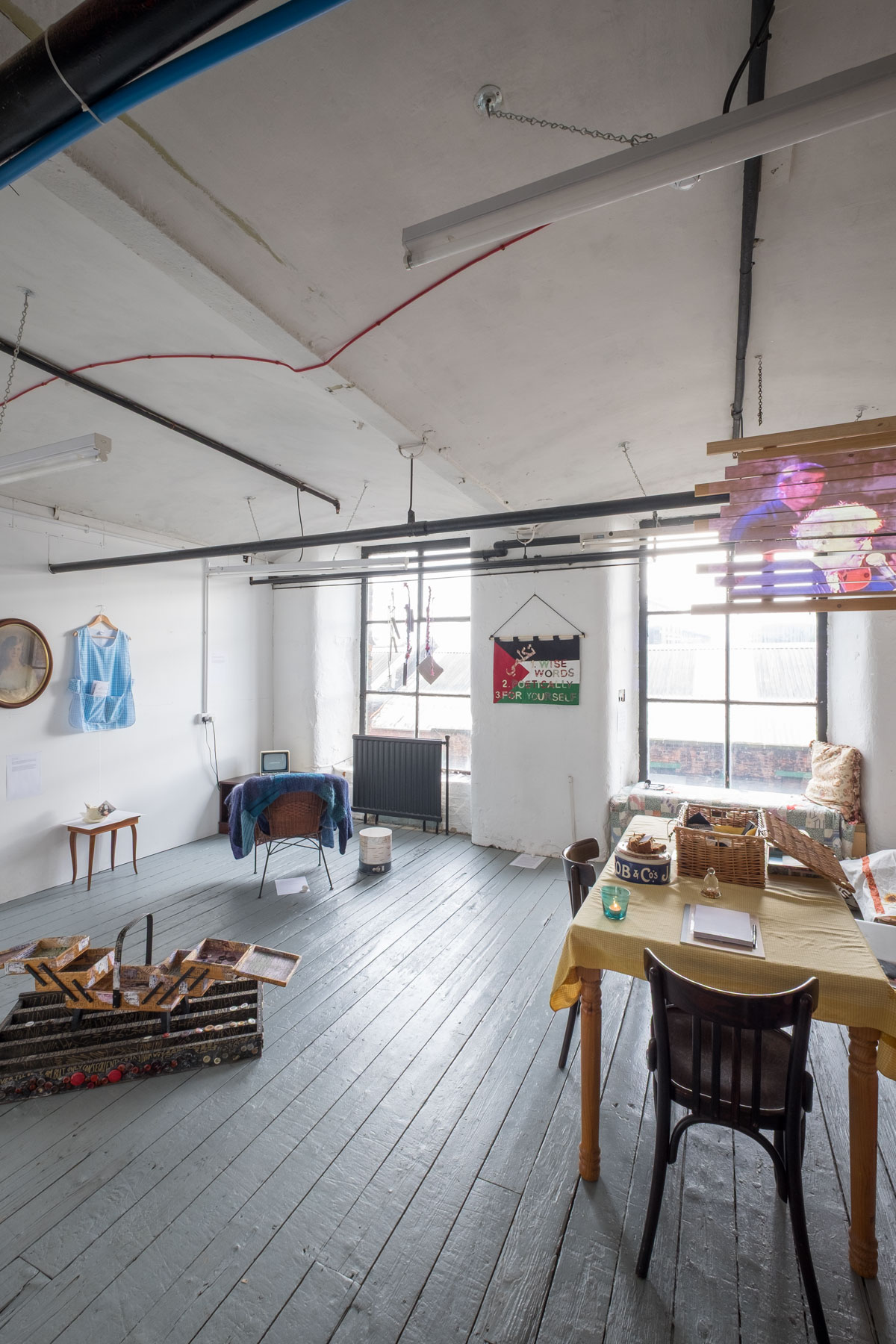
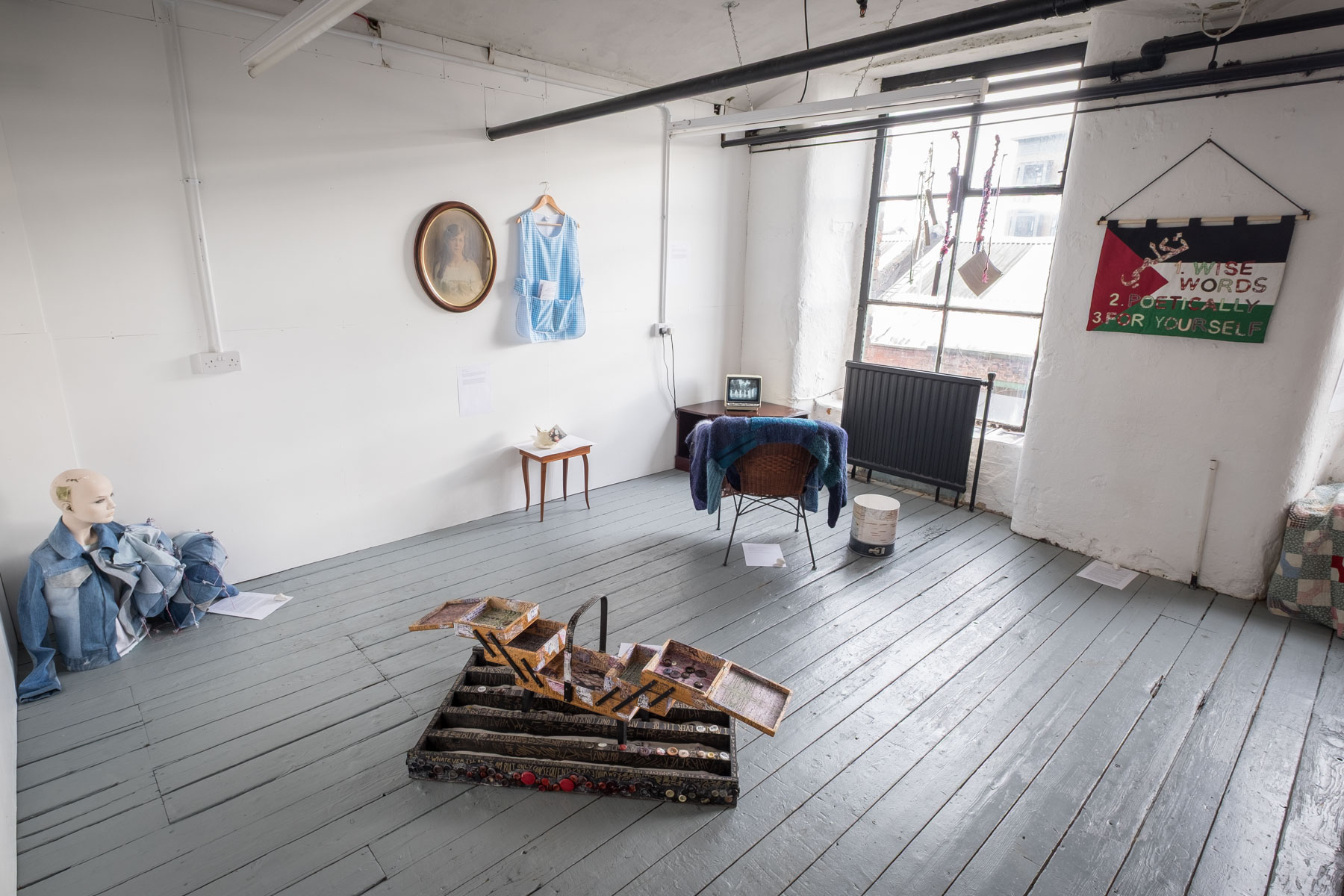
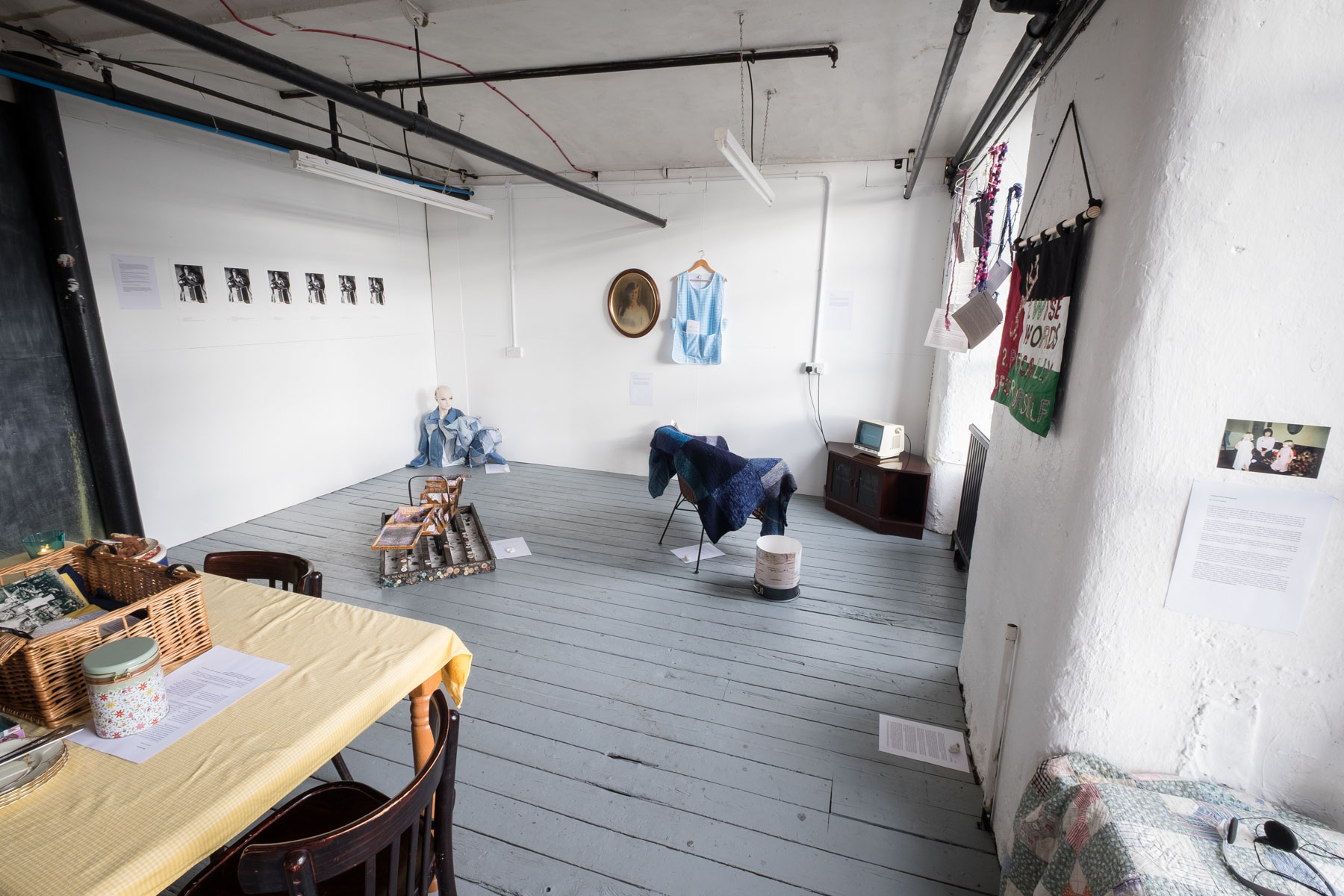
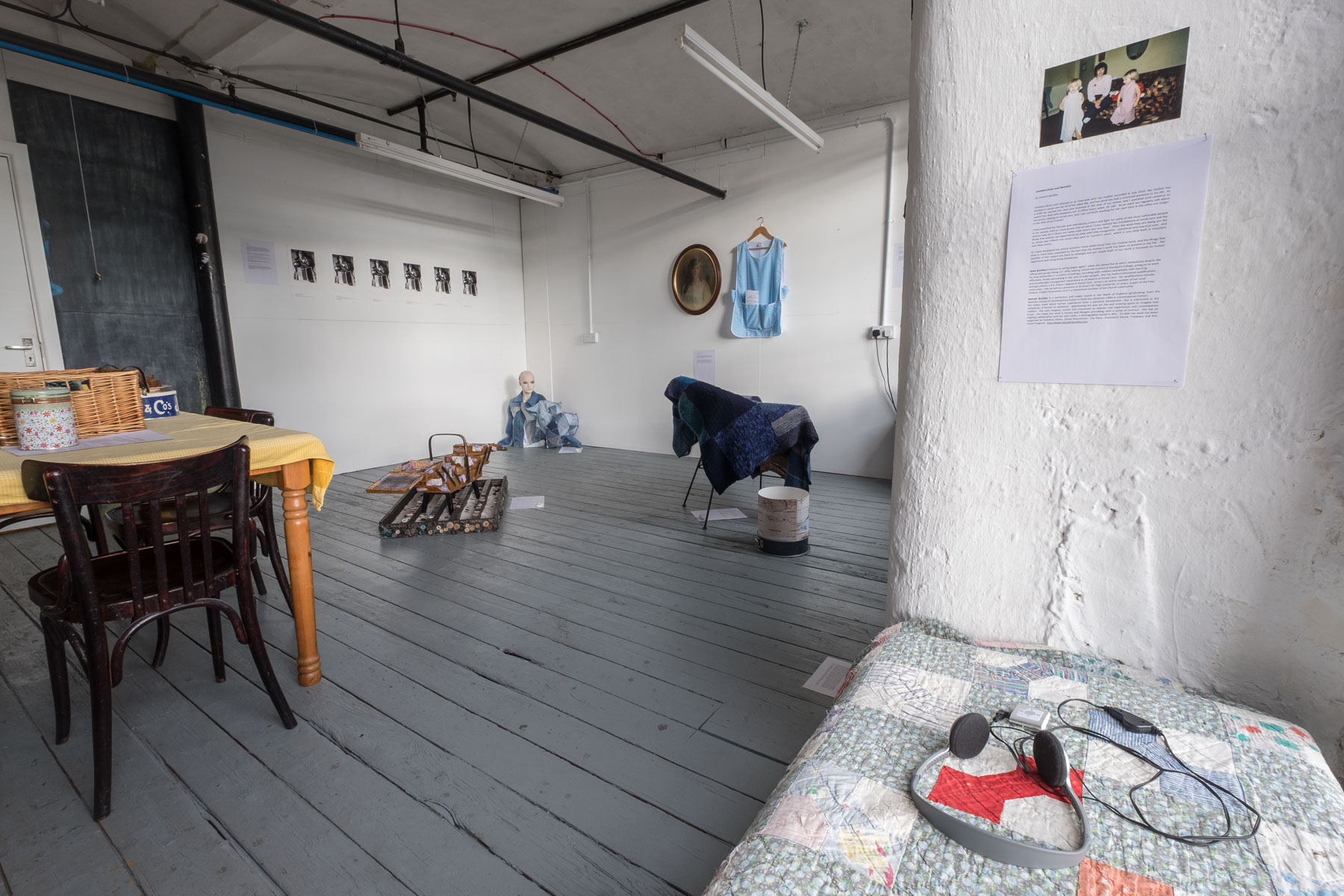
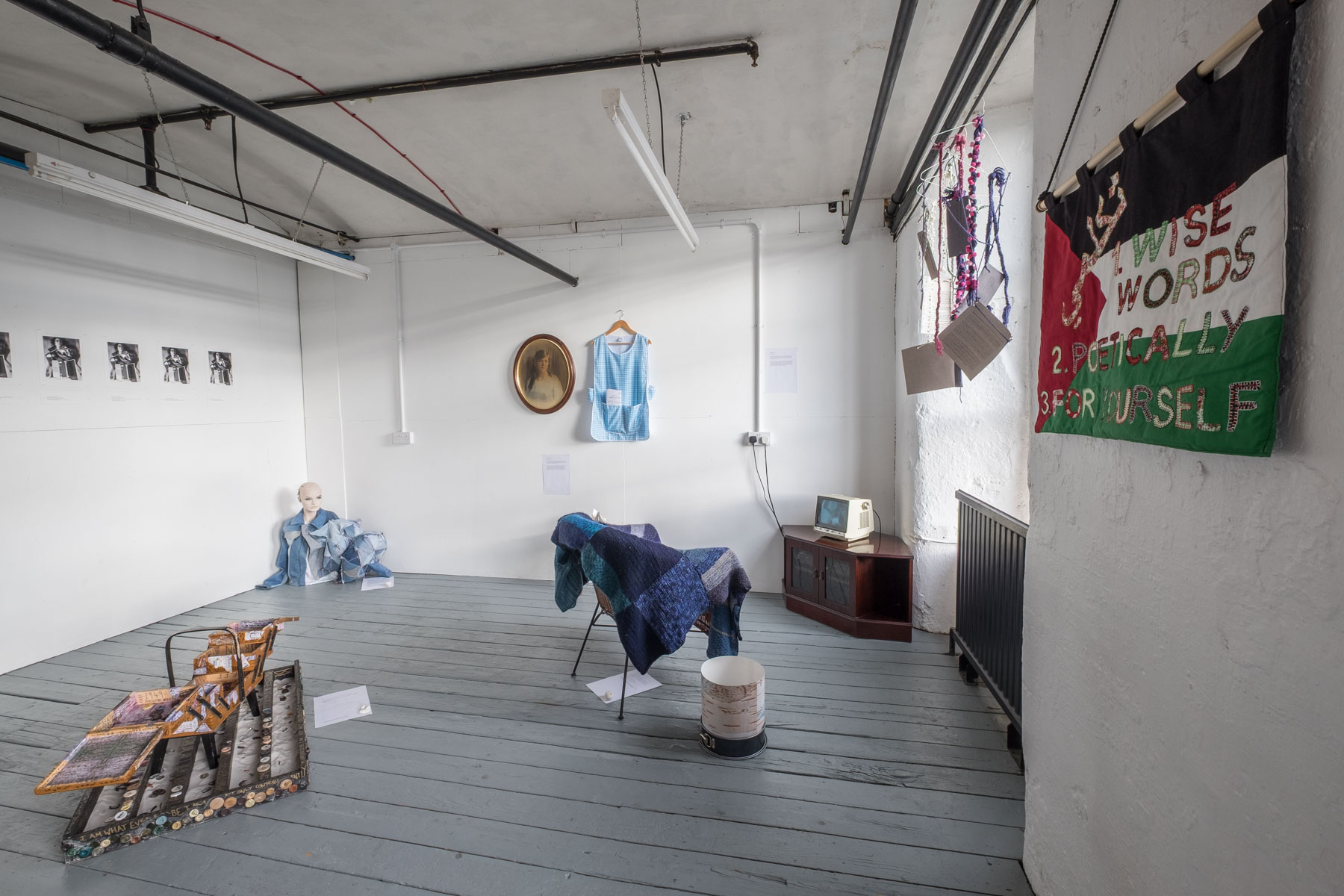
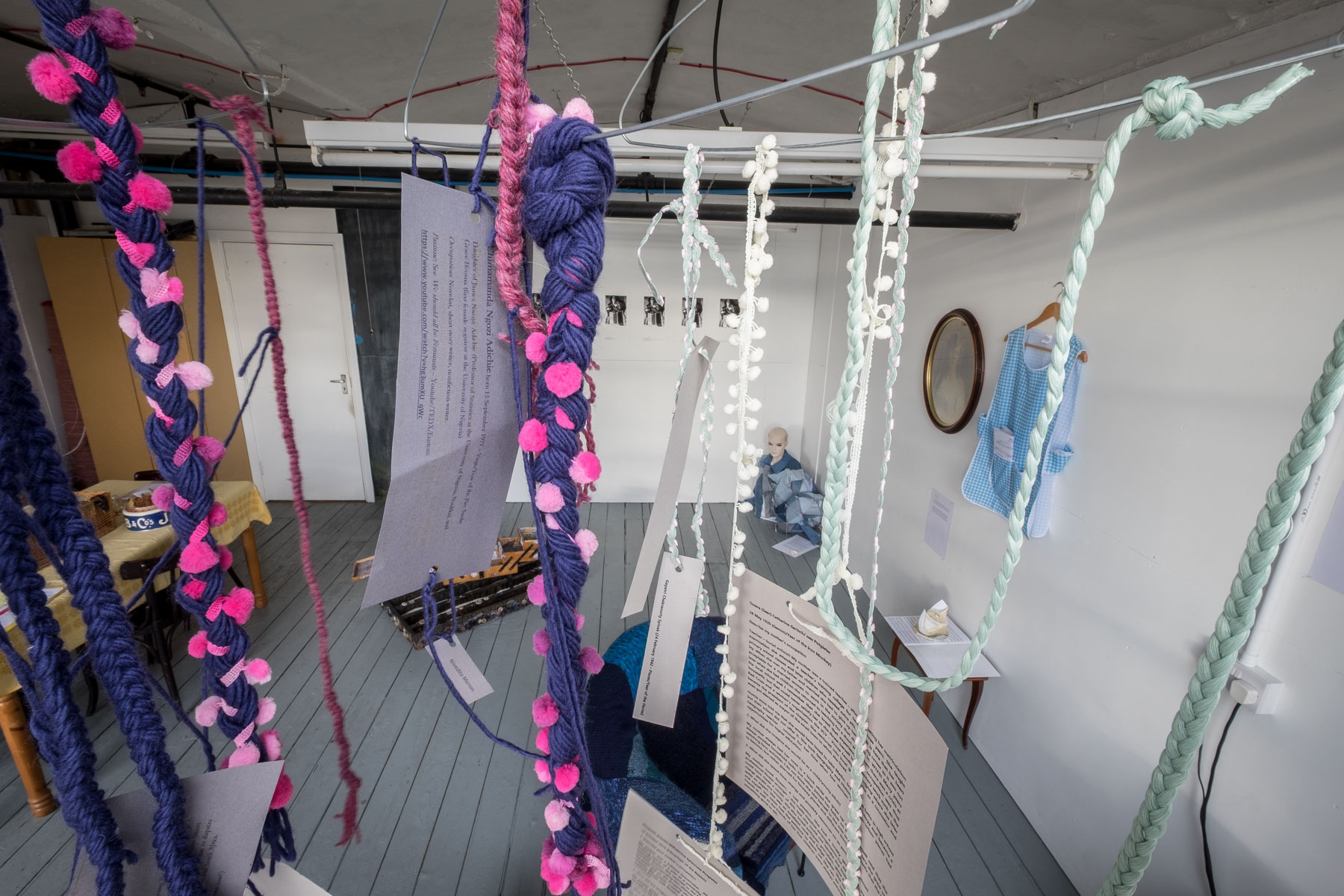
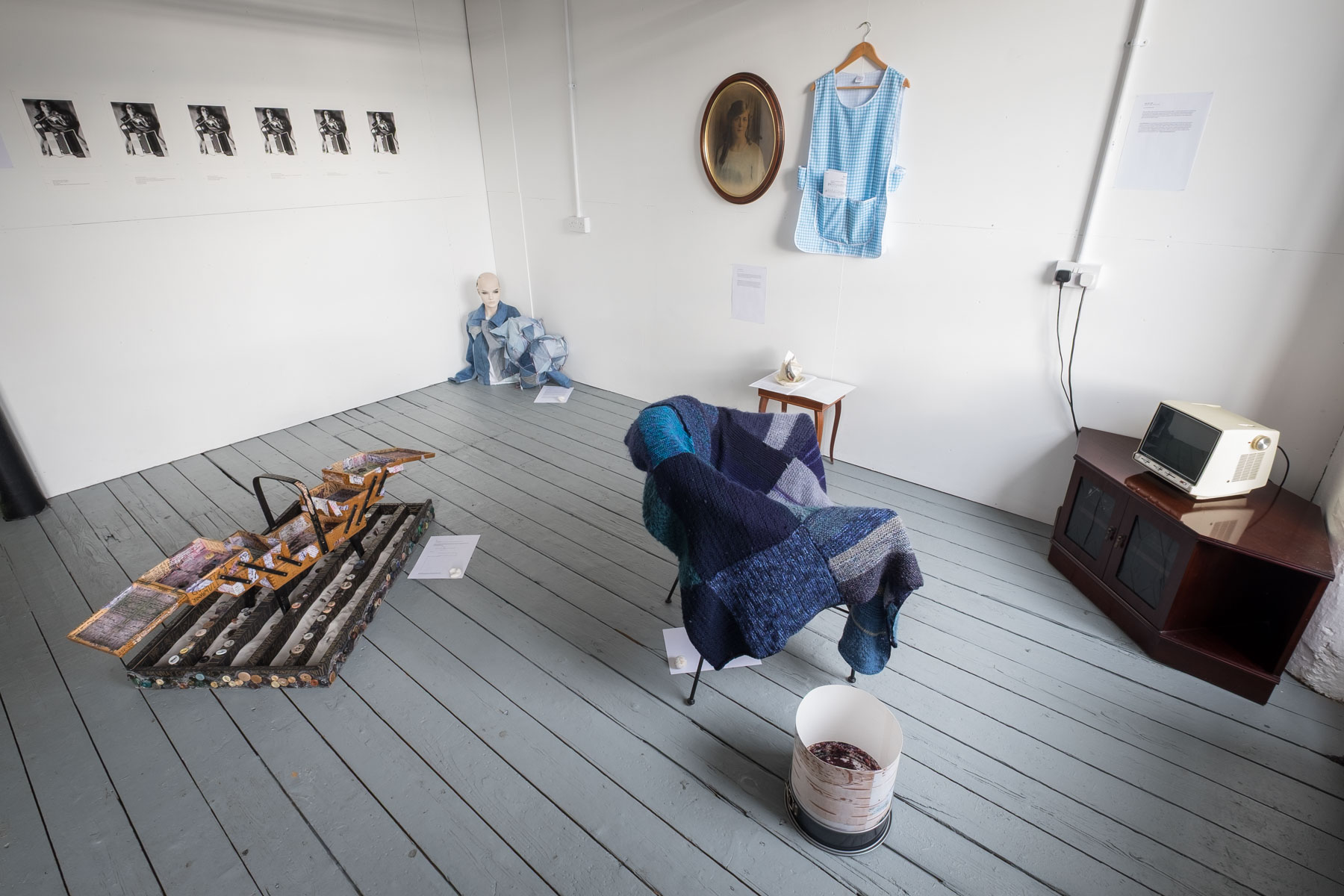
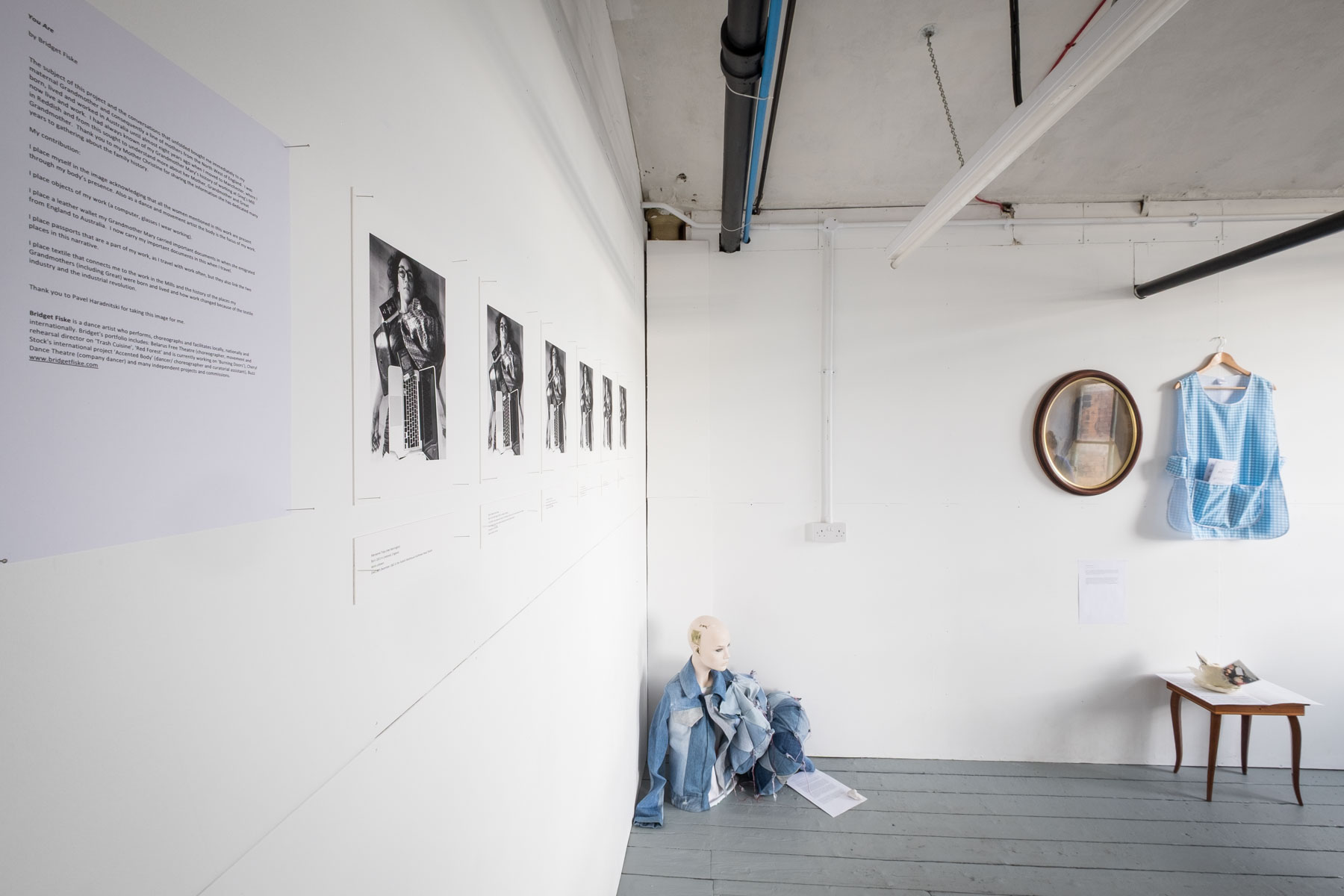
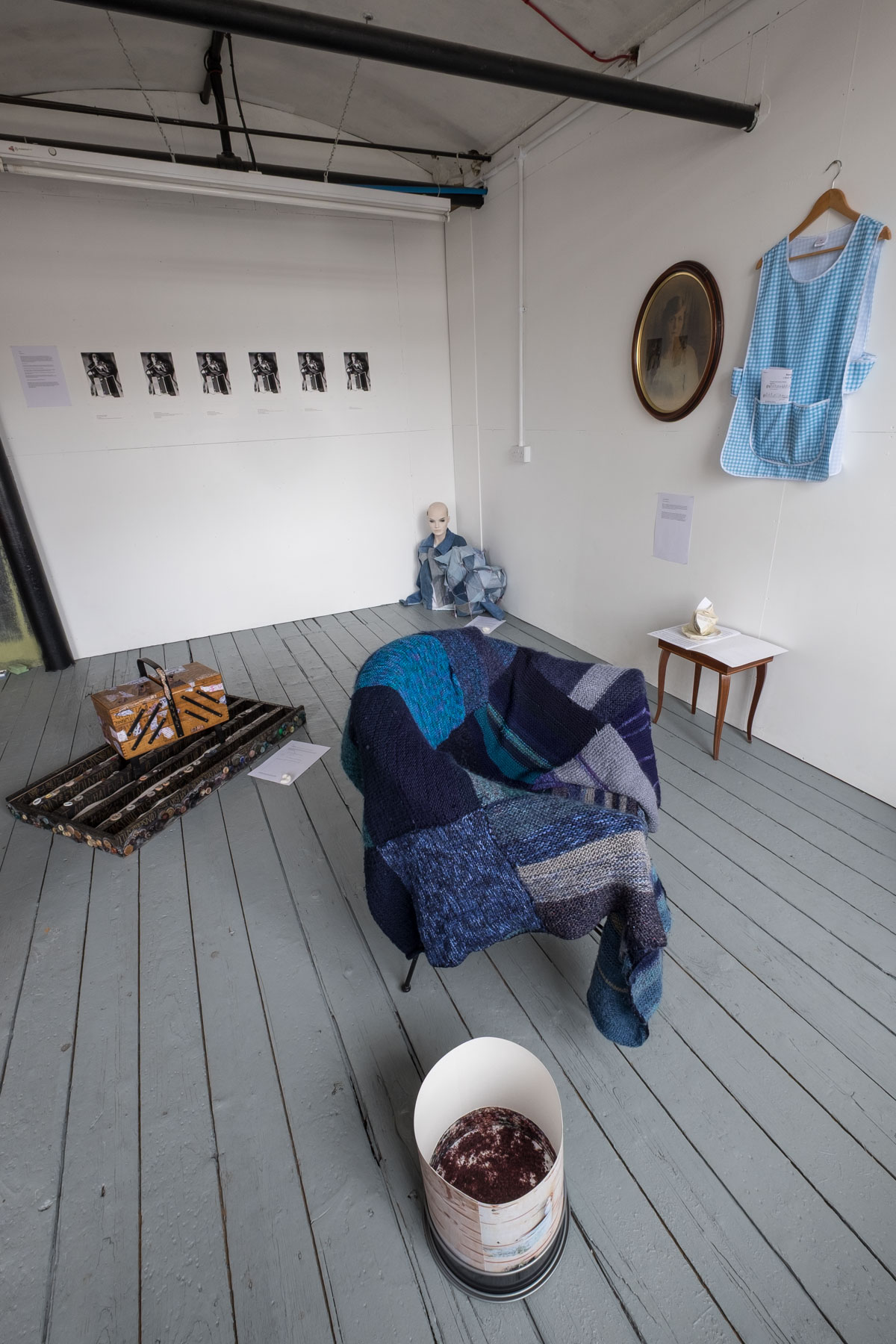
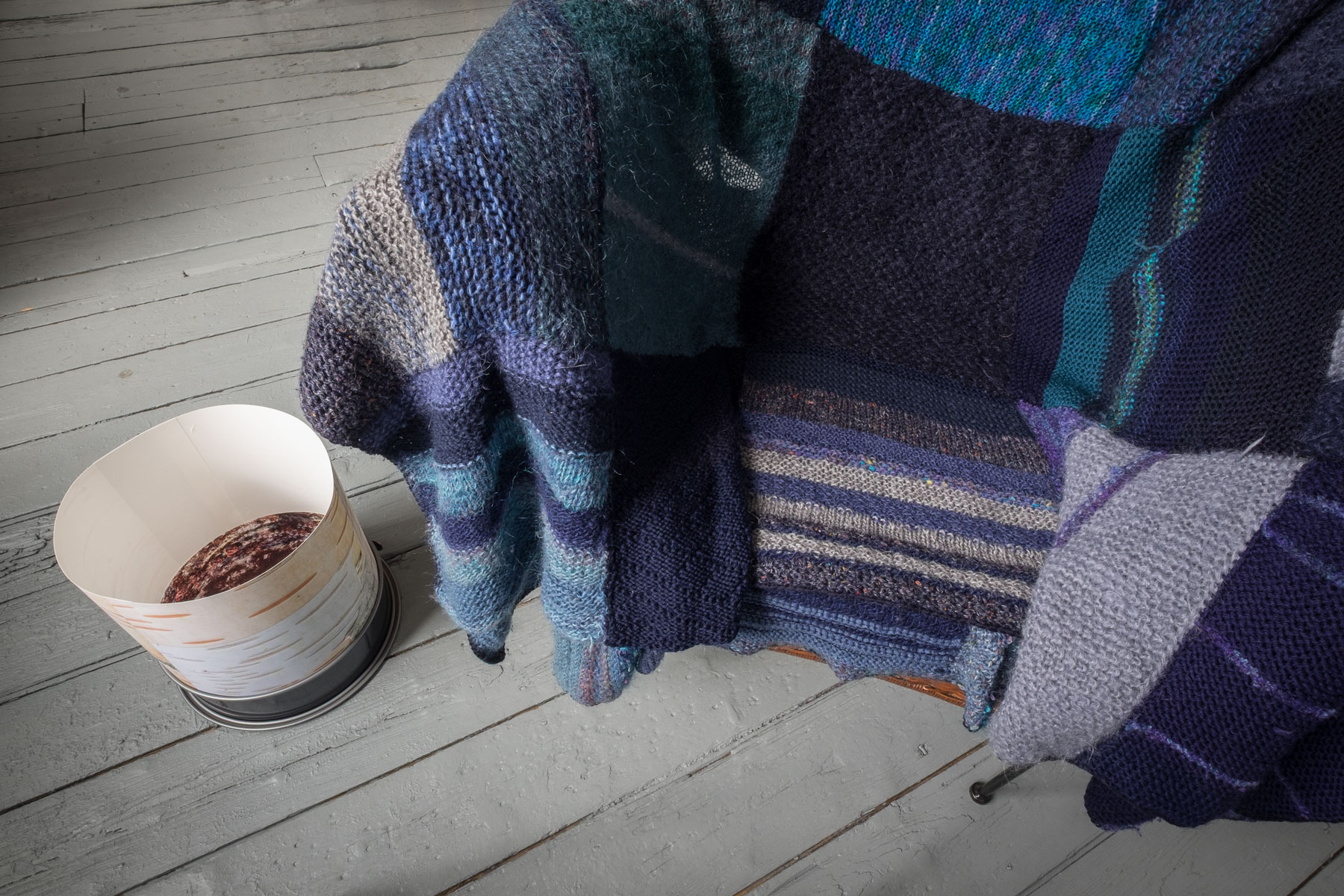
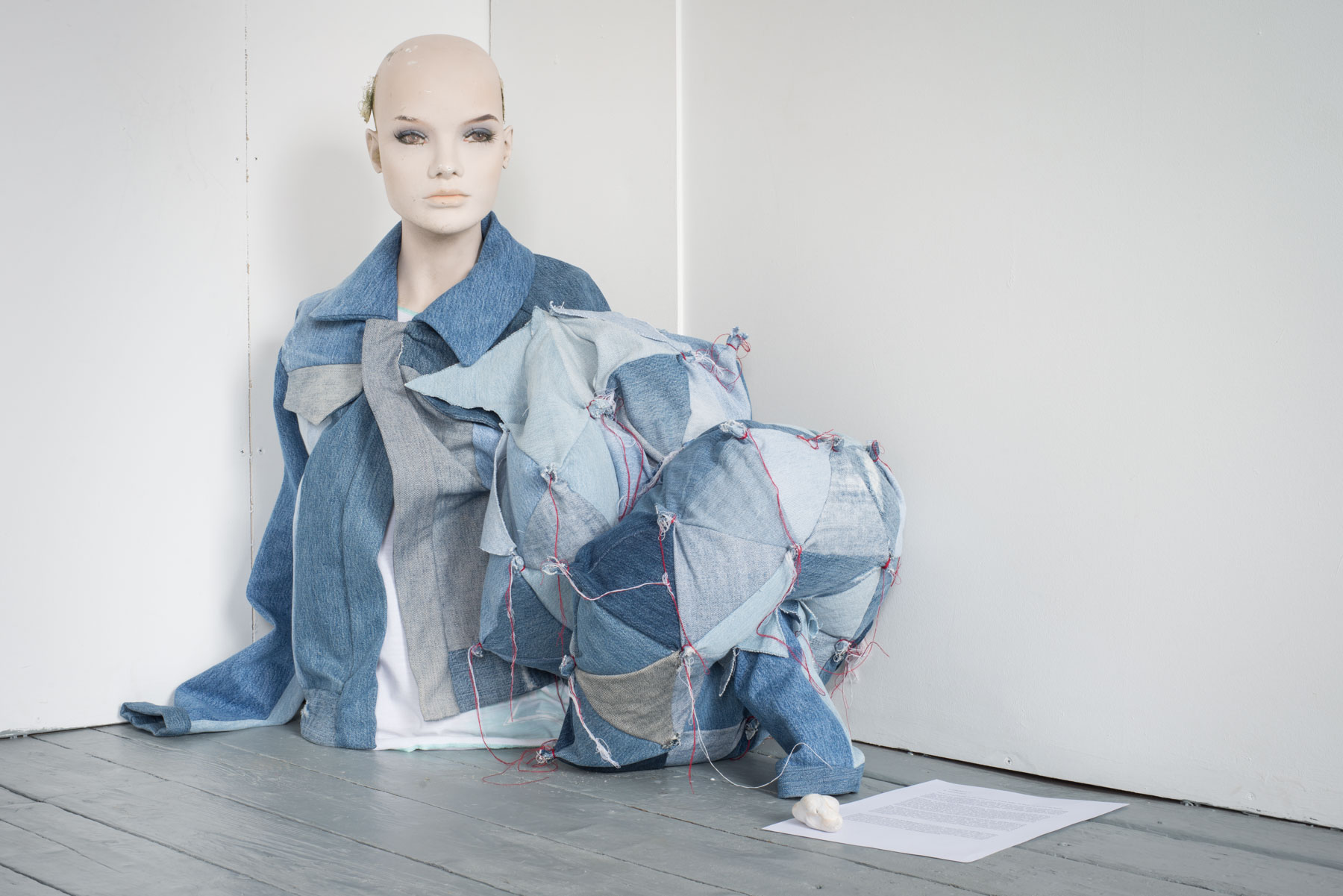
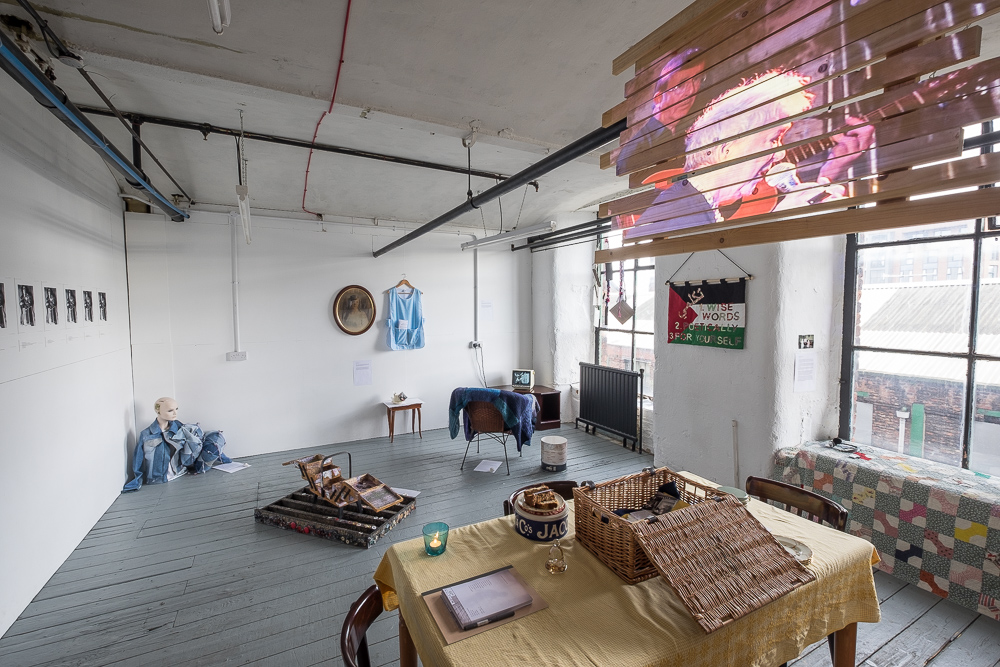
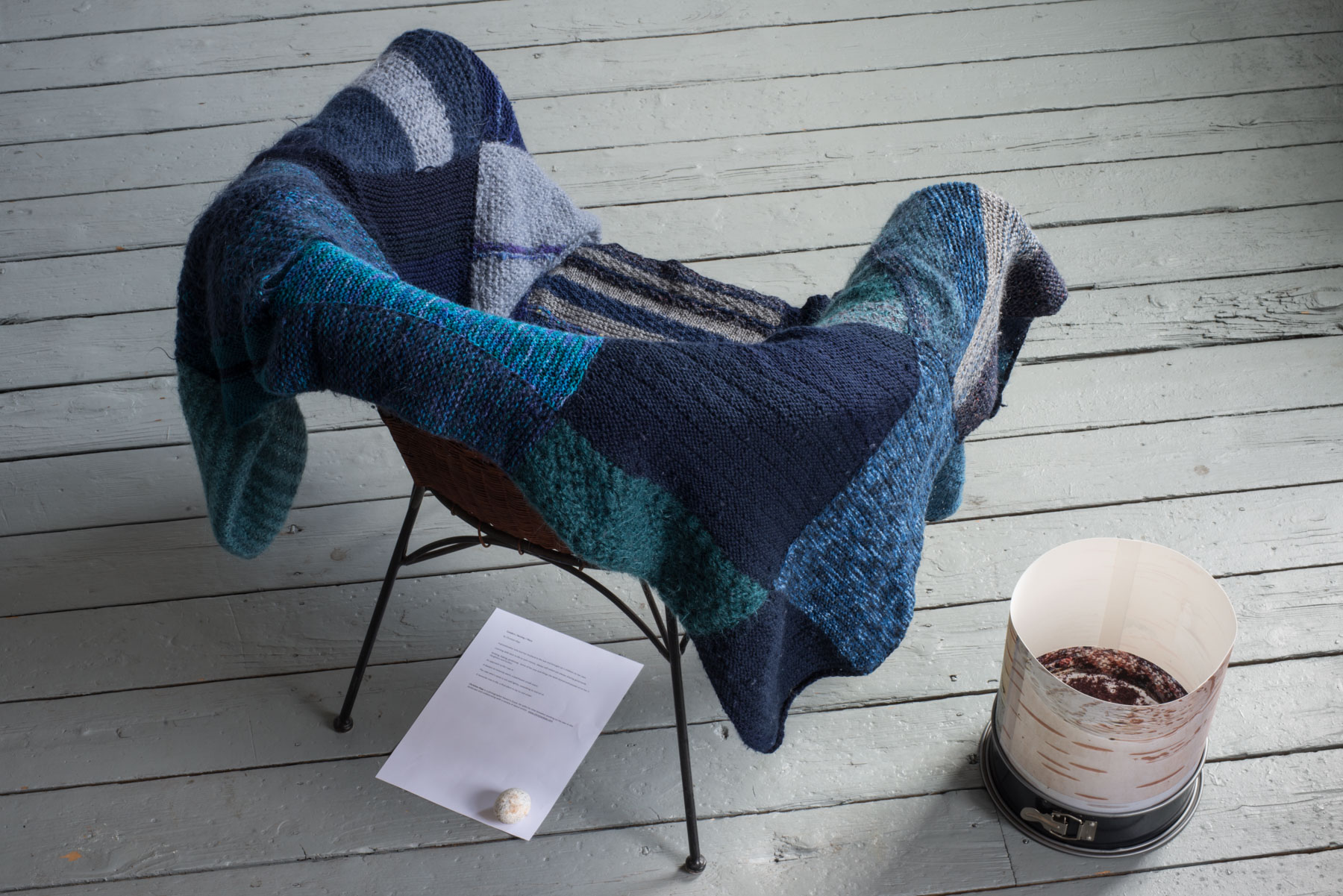
A Shrine to Women’s Work brought together work by eleven artists reflecting on matrilineal influences in their working and playing lives: mothers, grandmothers and great-grandmothers, alongside the artistic grandmothers of their chosen forms.
Initiated and facilitated by Amy Voris, the shrine grew through extended conversations about familial and vocational lineages. Each contributor made something that carried aspects of this embodied and relational history into their present creative practice.
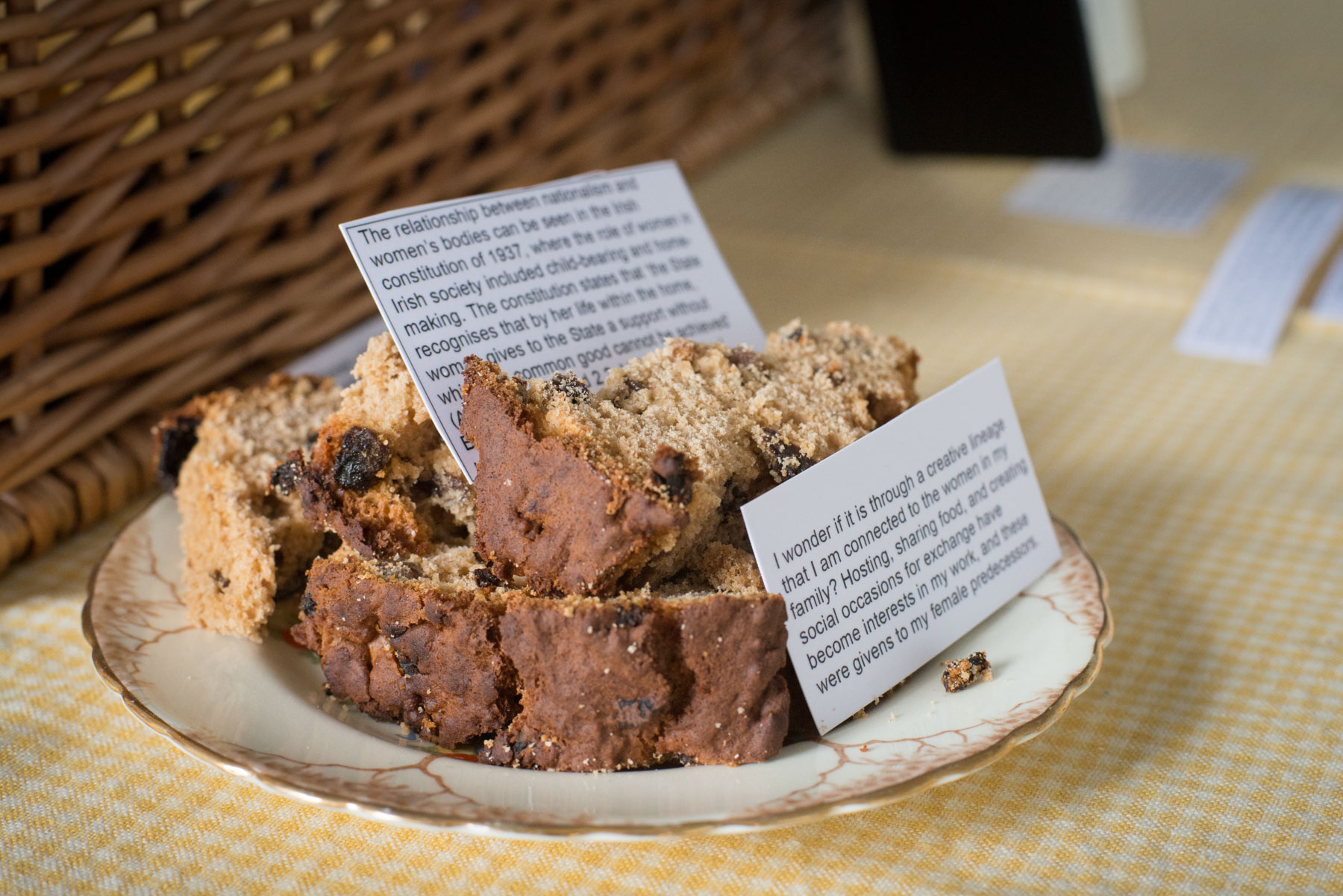
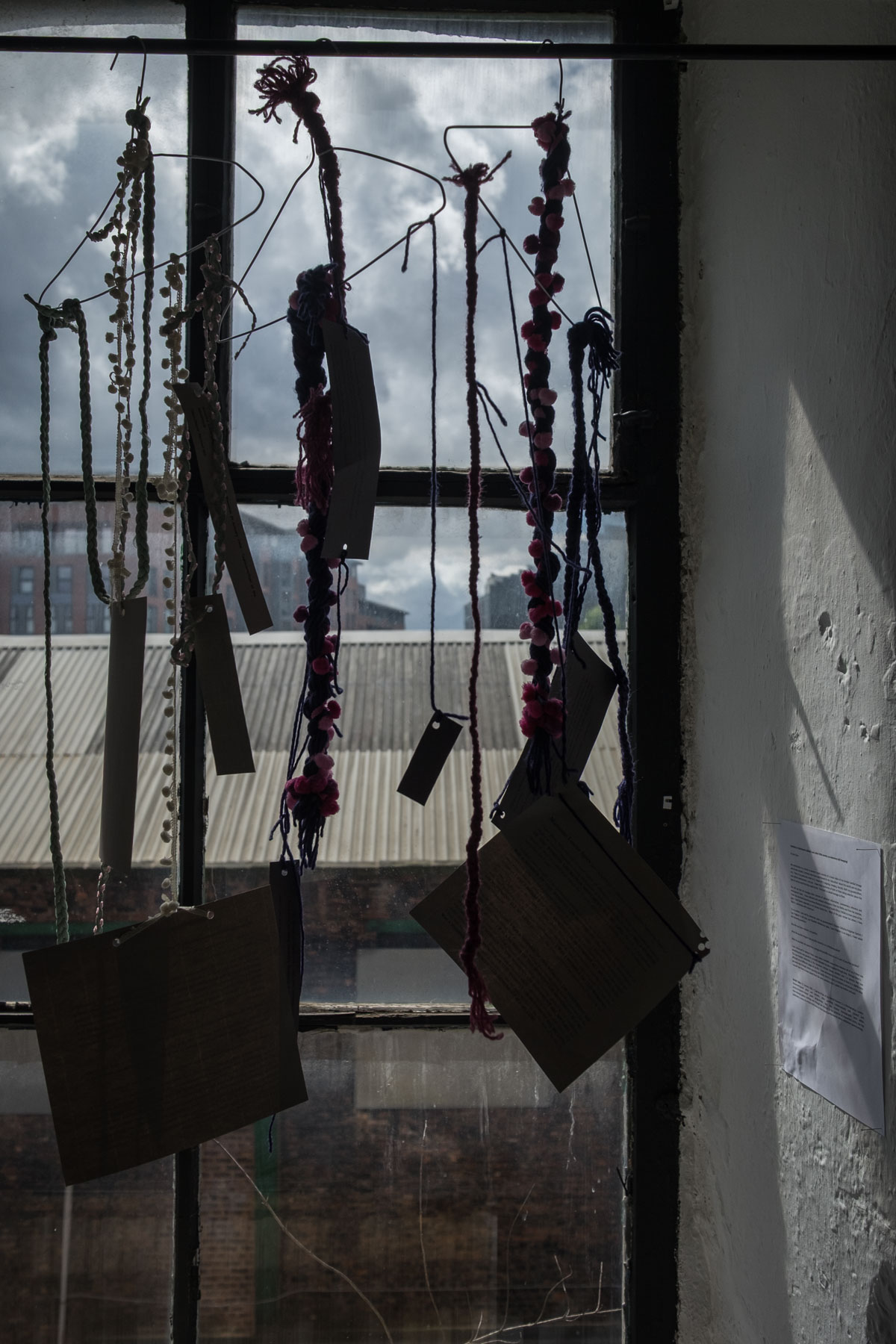
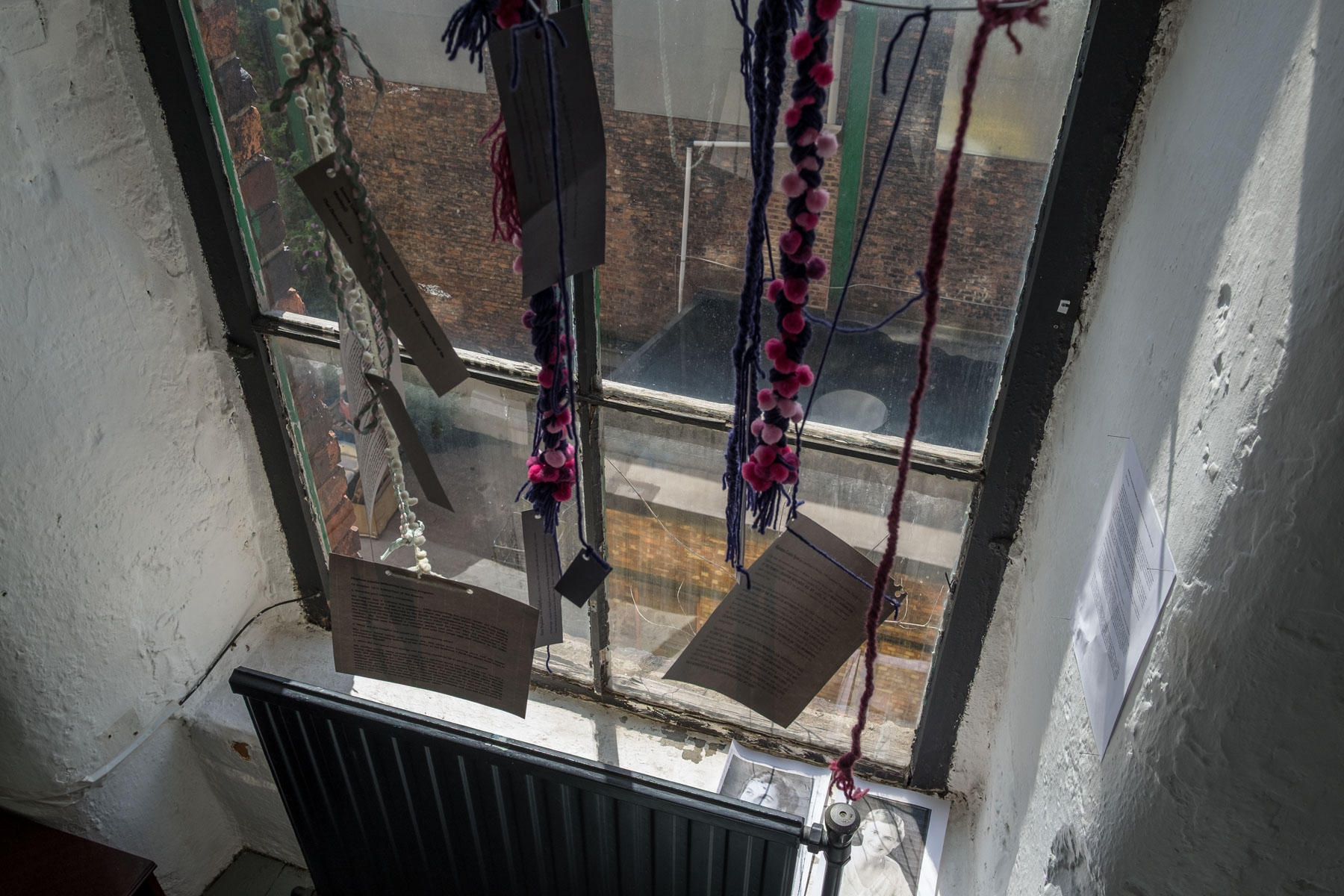
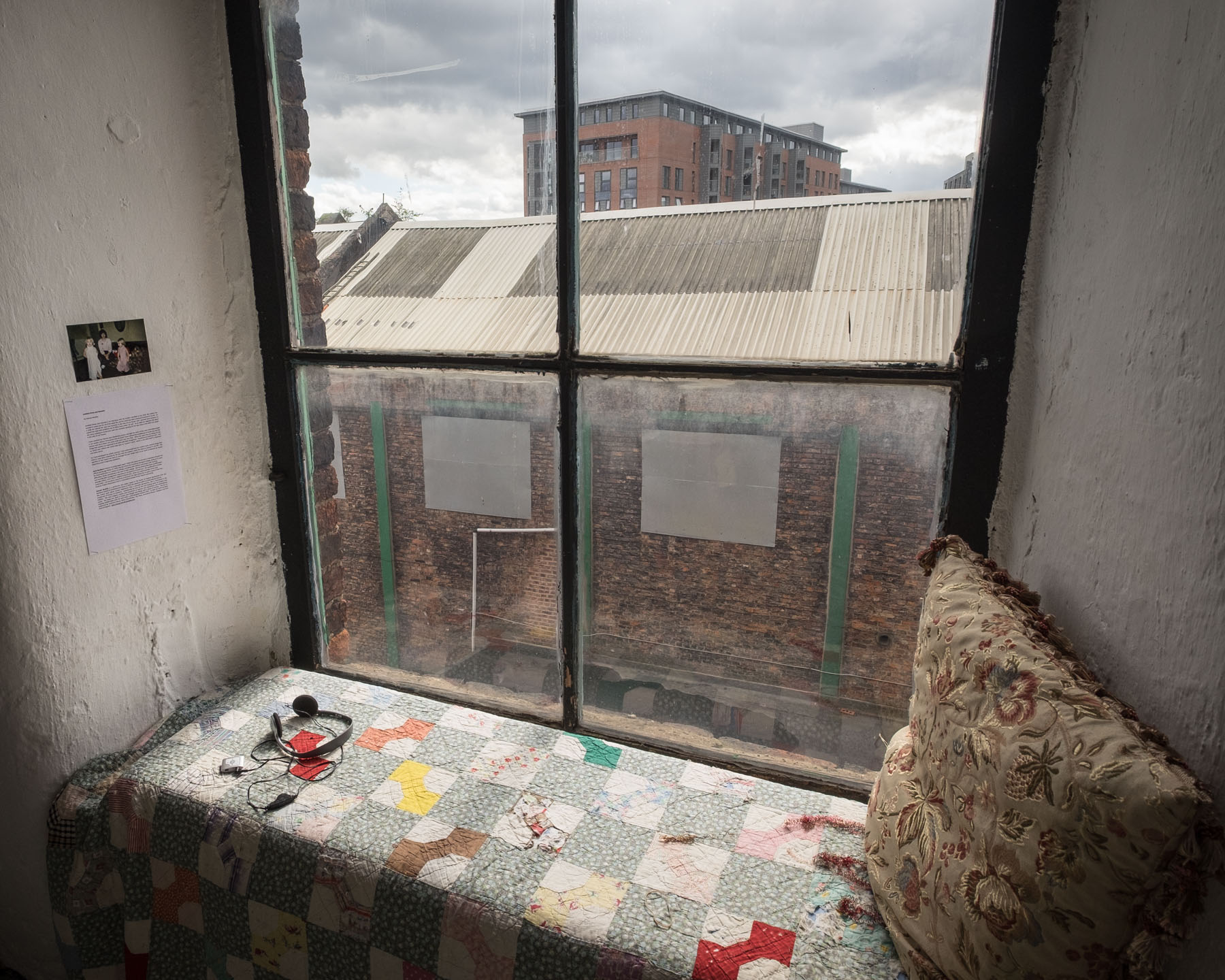
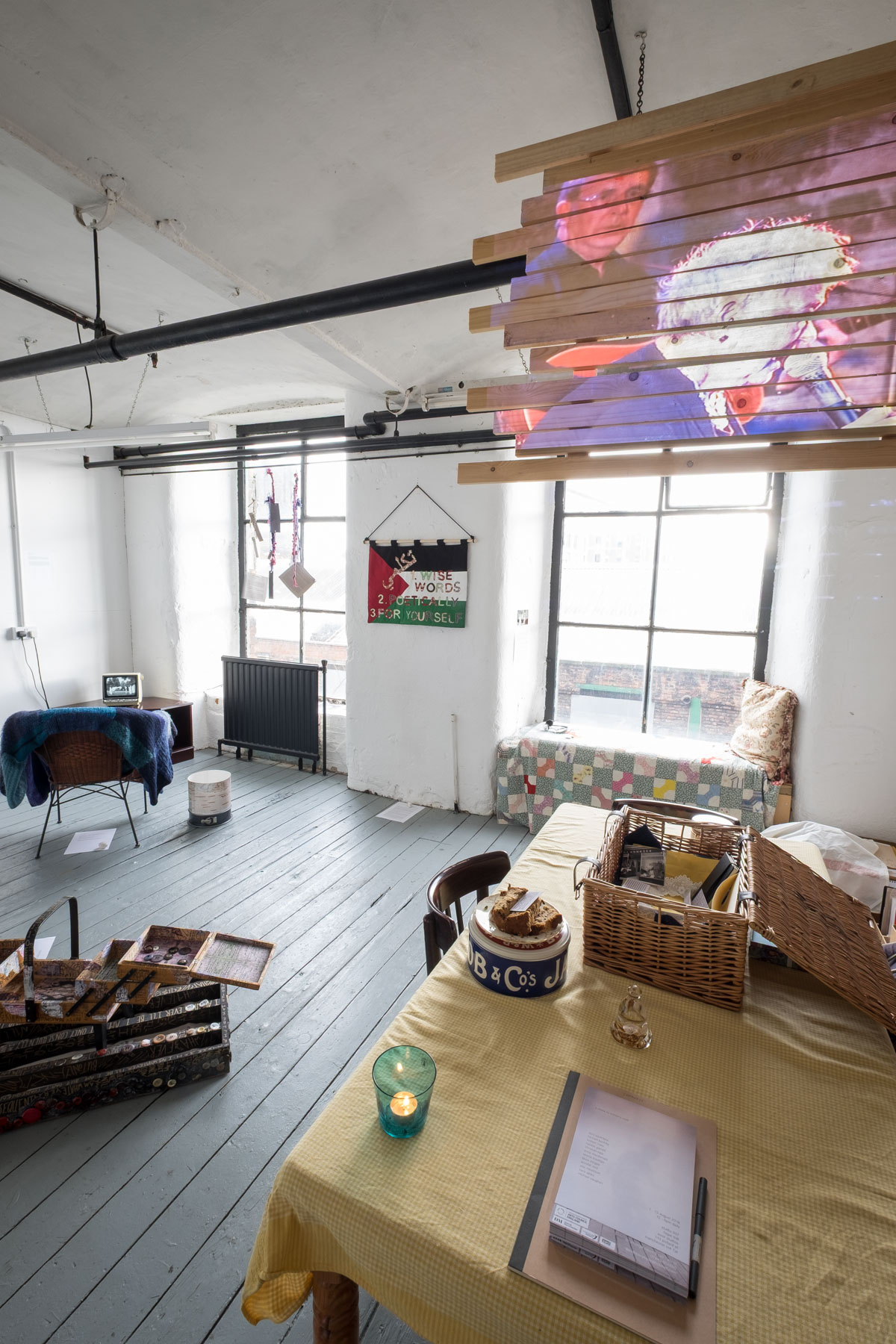
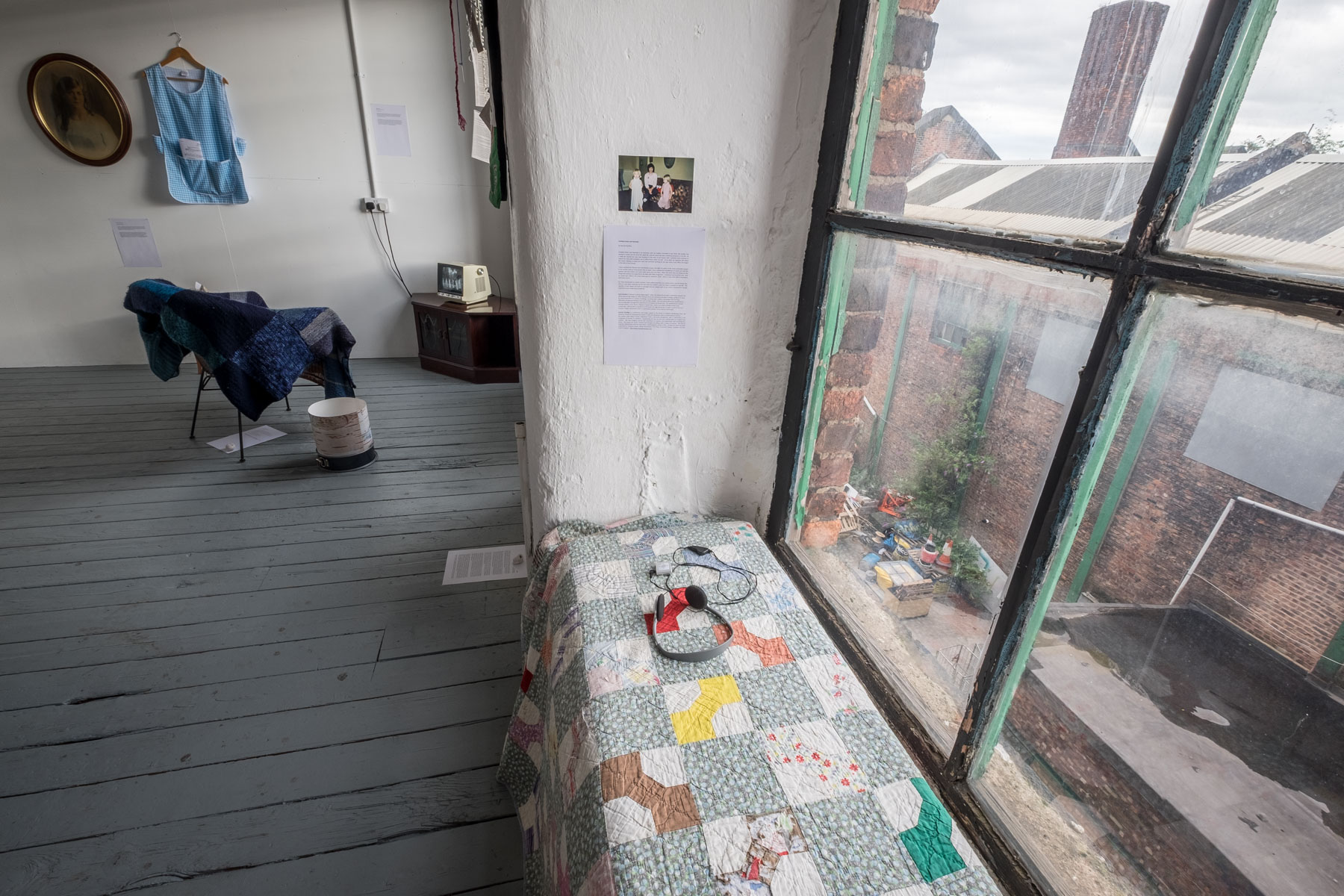
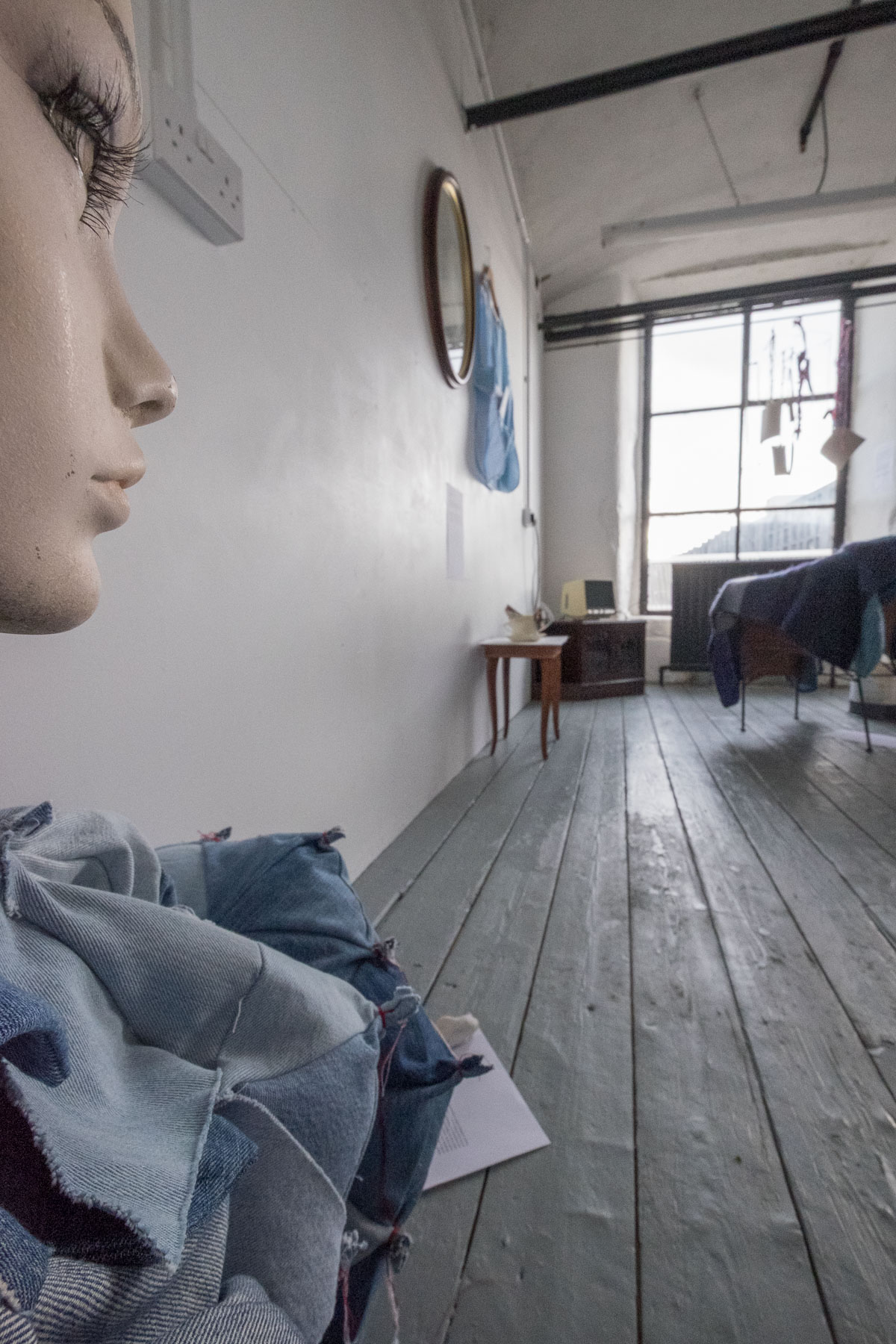
The works were assembled in the collective’s Hope Mill studio, a building marked by nineteenth-century textile labour. Visitors made a small pilgrimage to the edge of the city and were welcomed with tea, cake and conversation; nearly forty people visited across the two-week exhibition.
Artists
Commissioned work
Zoe Robertson
Christian Kipp
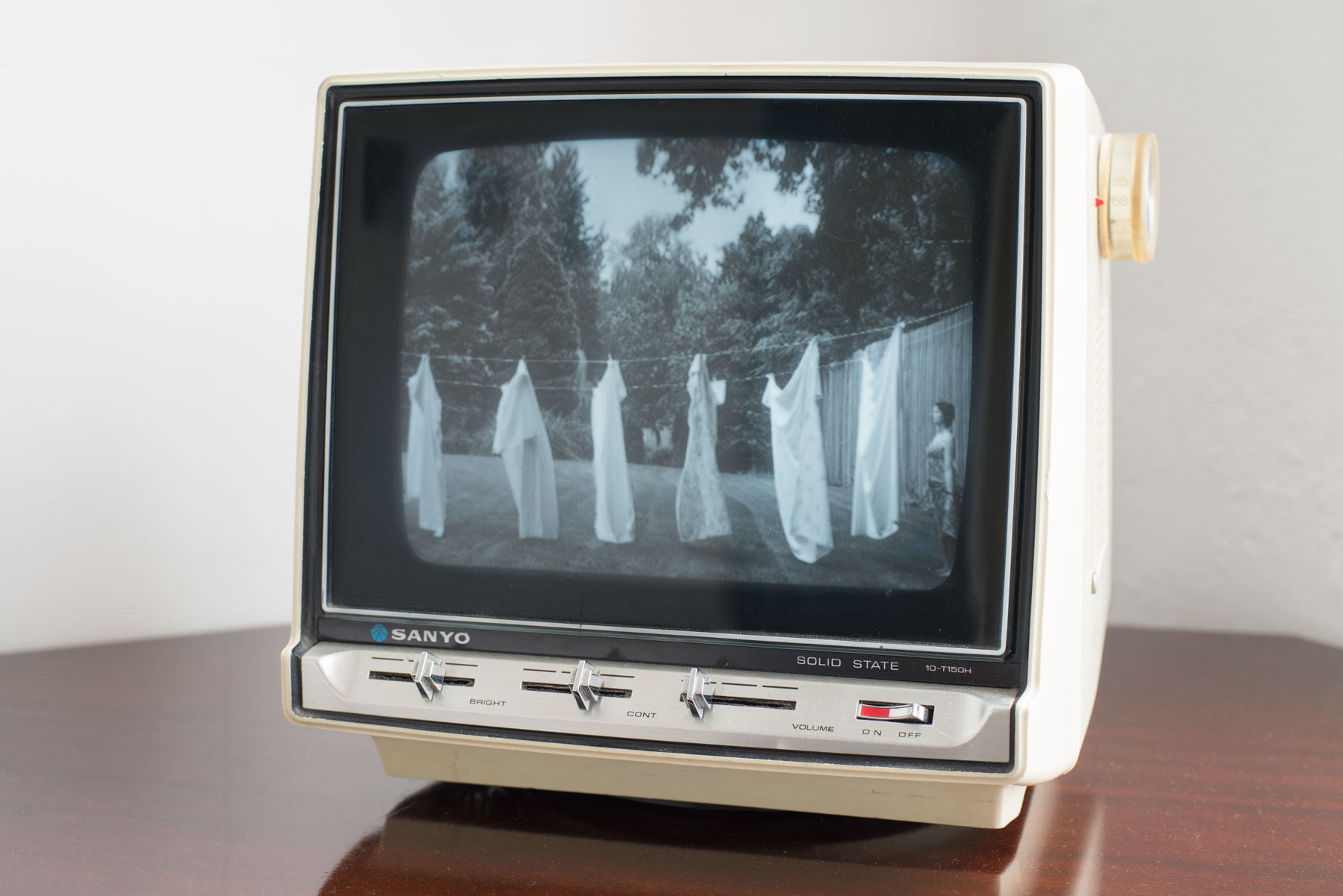
Anna Macdonald
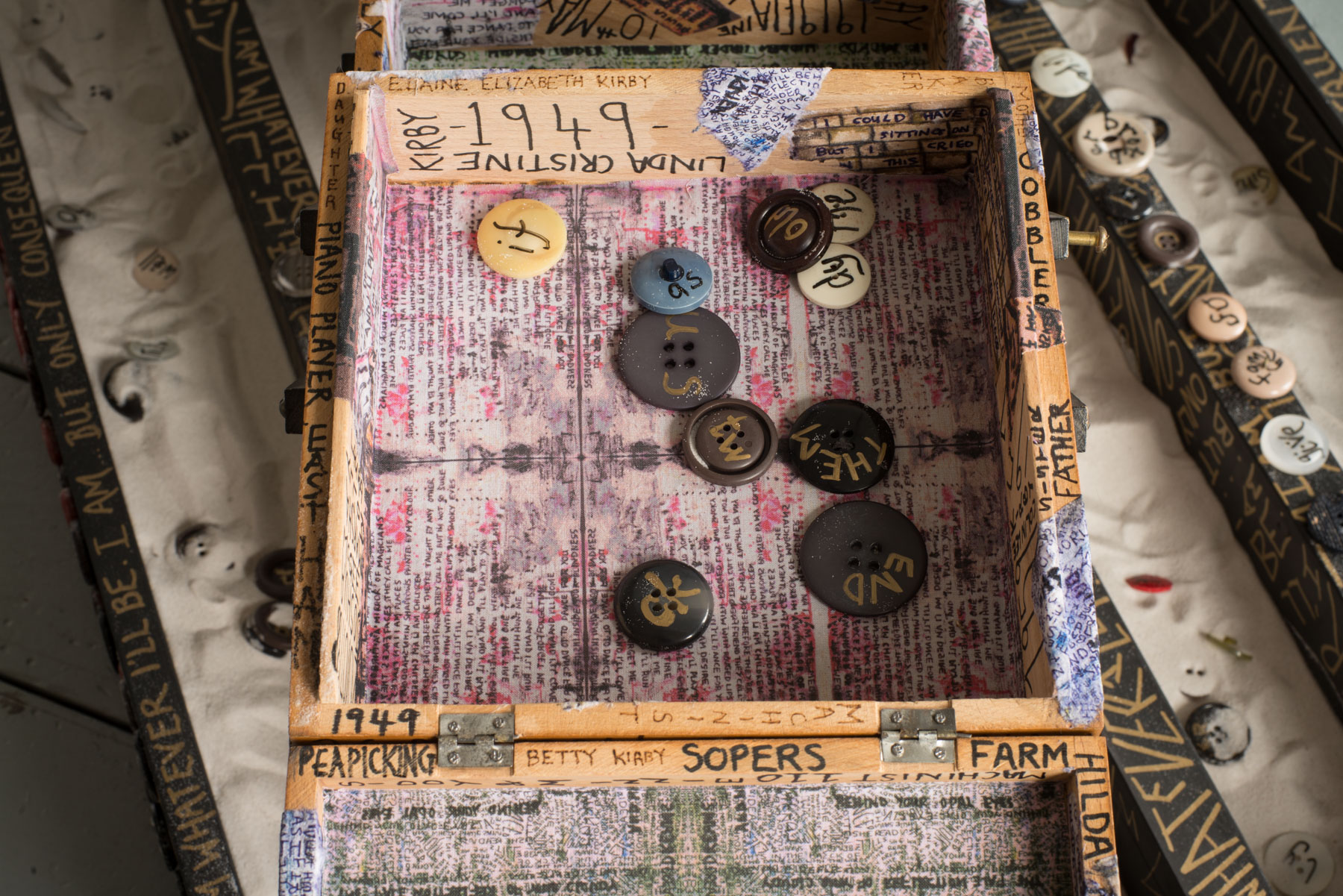
Laura McGee
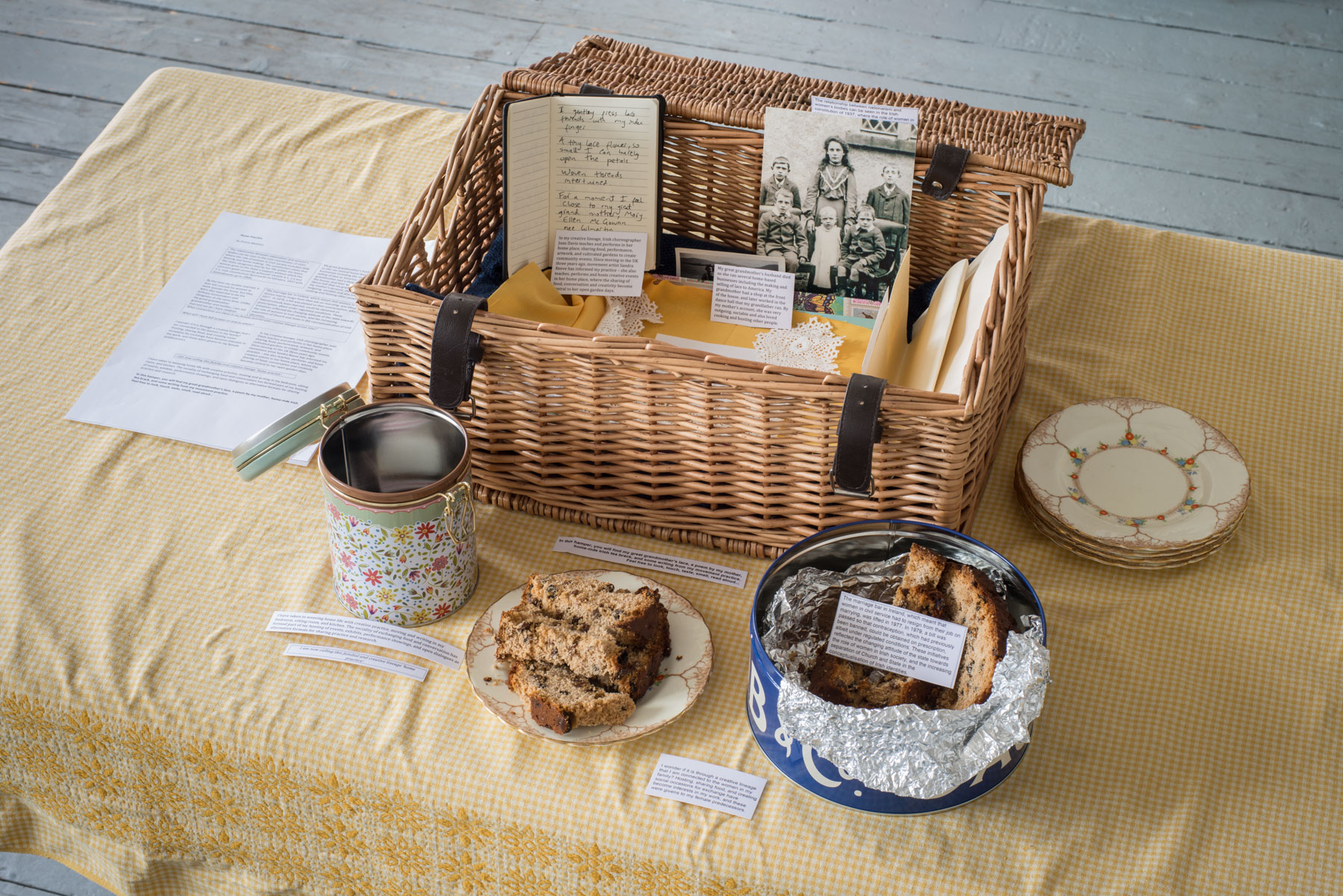
Emma Meehan
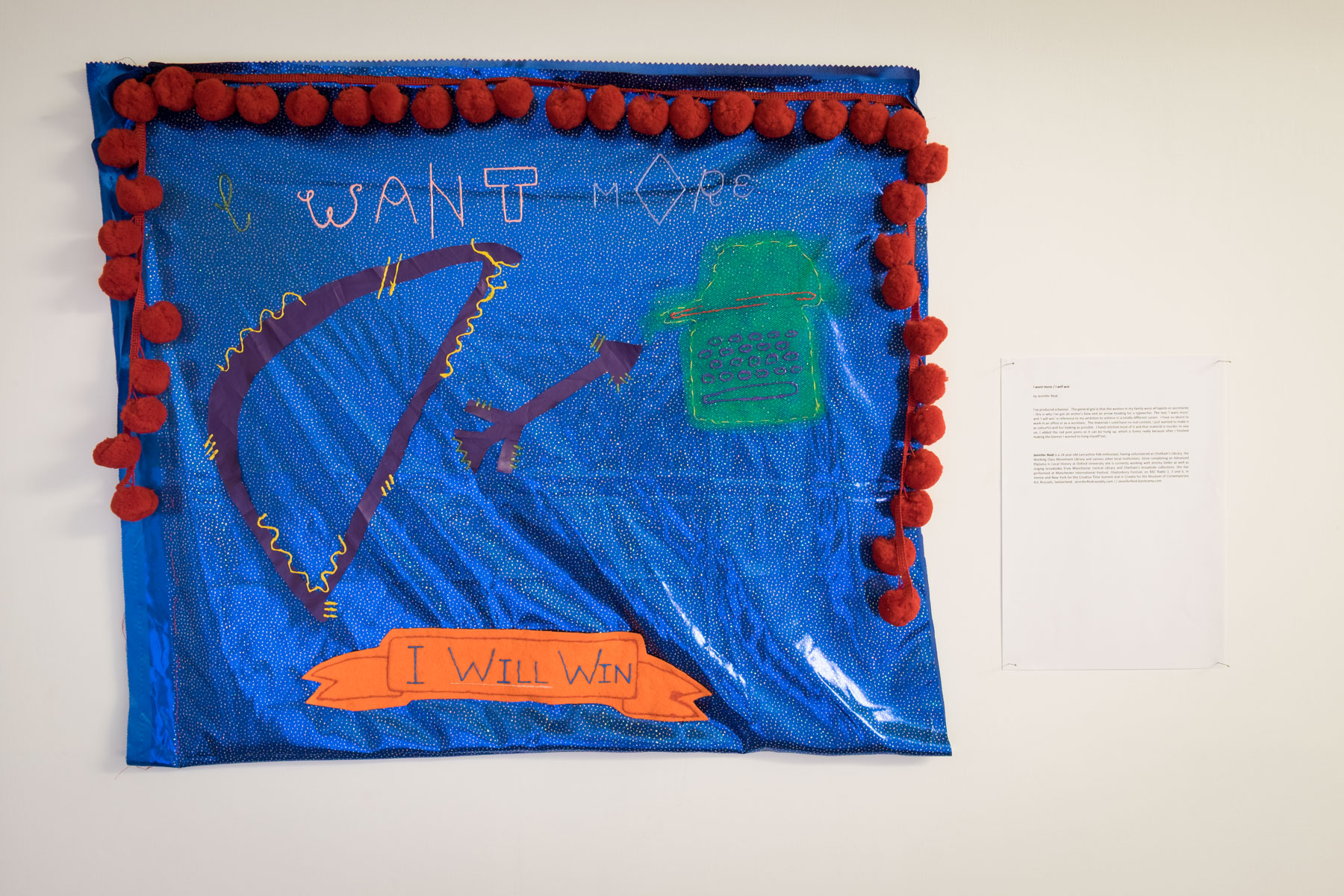
Jennifer Reid
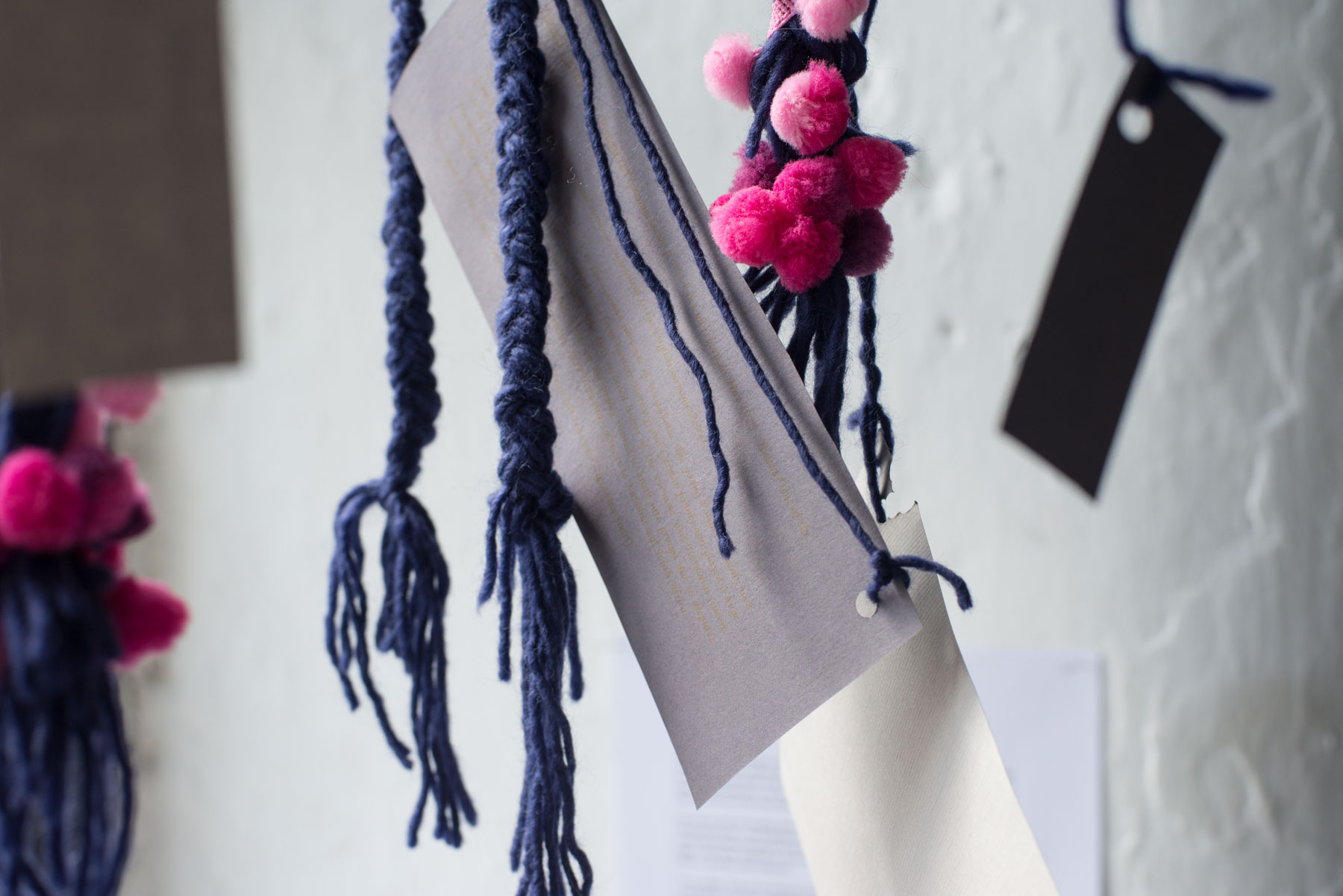
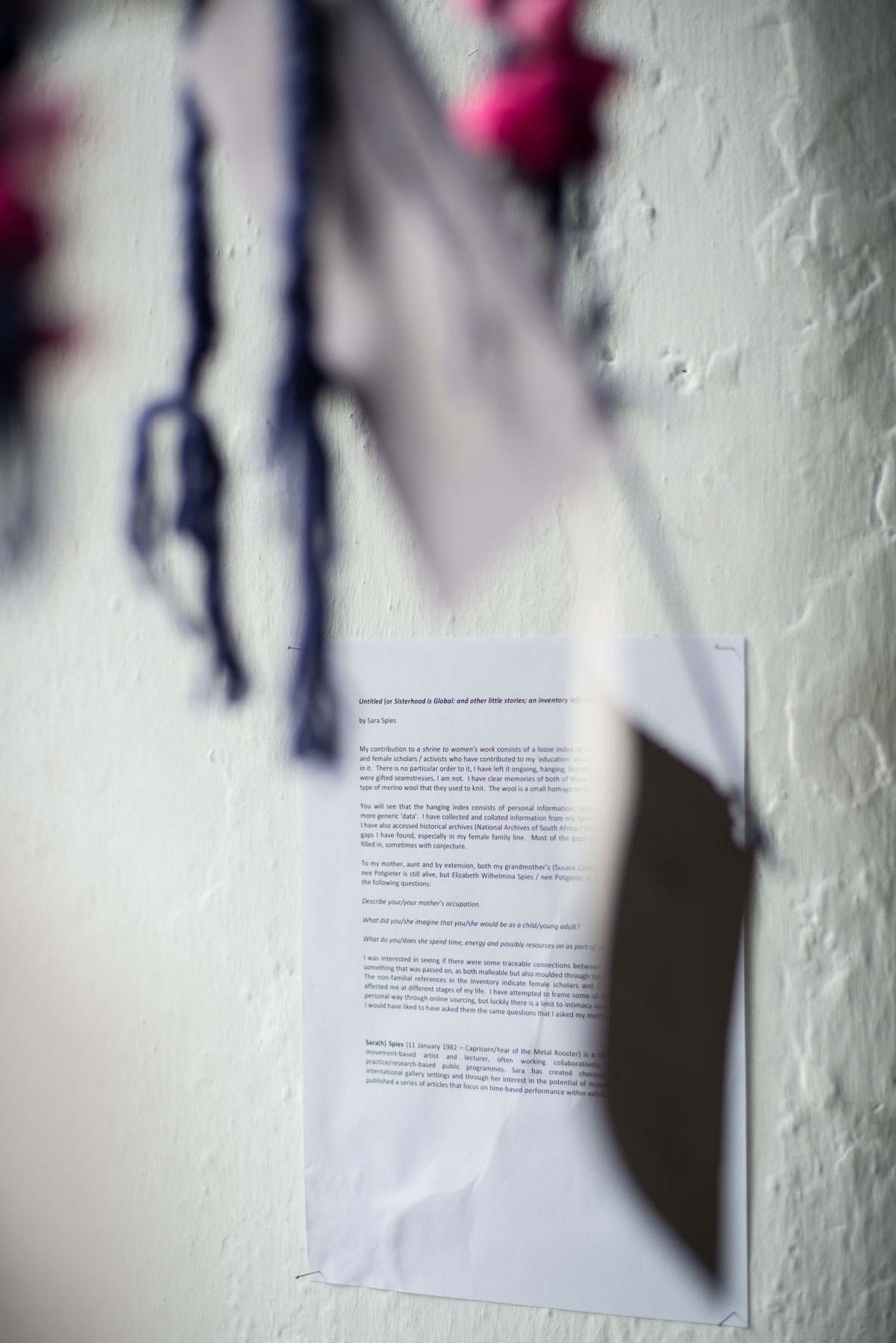
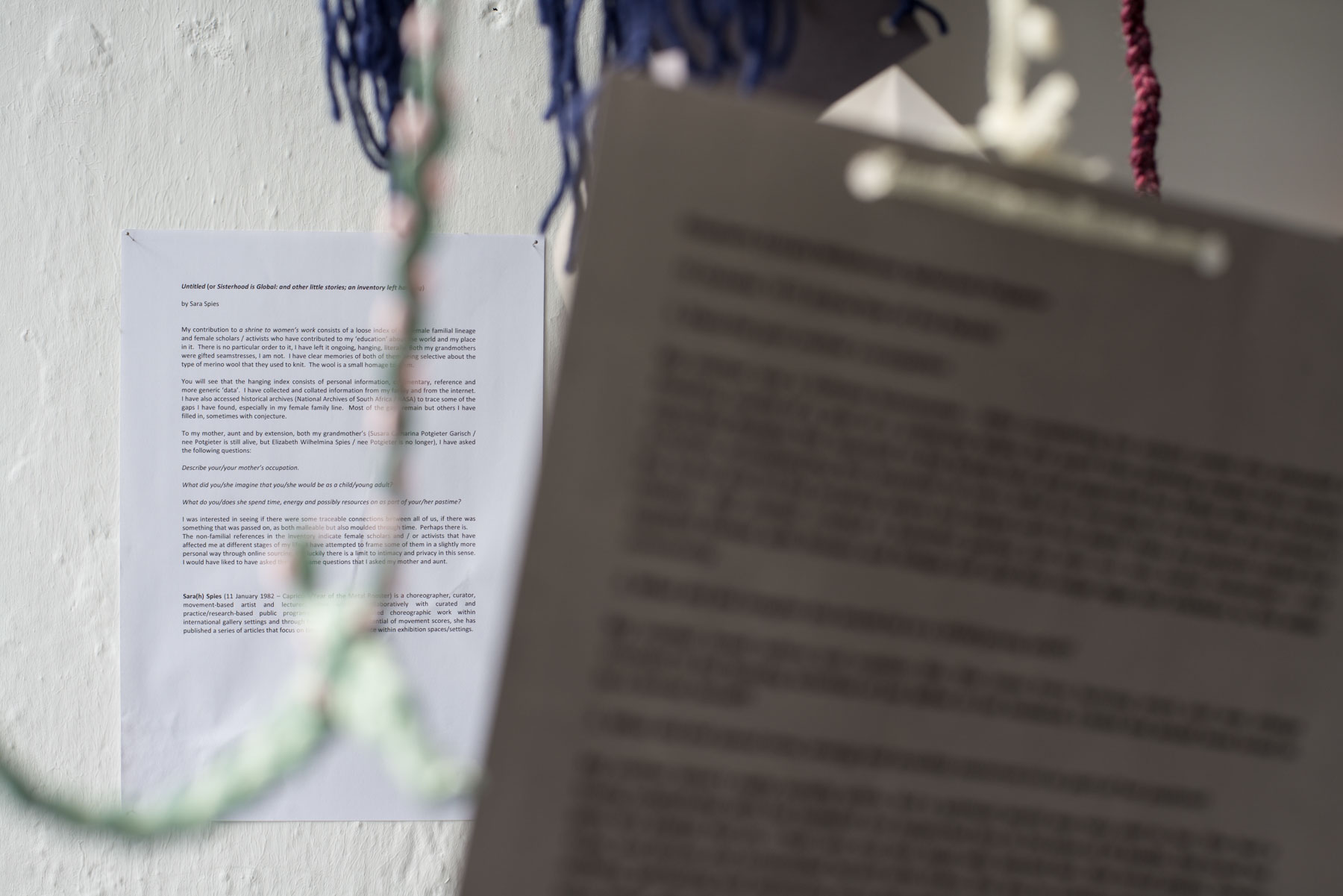
Sara Spies
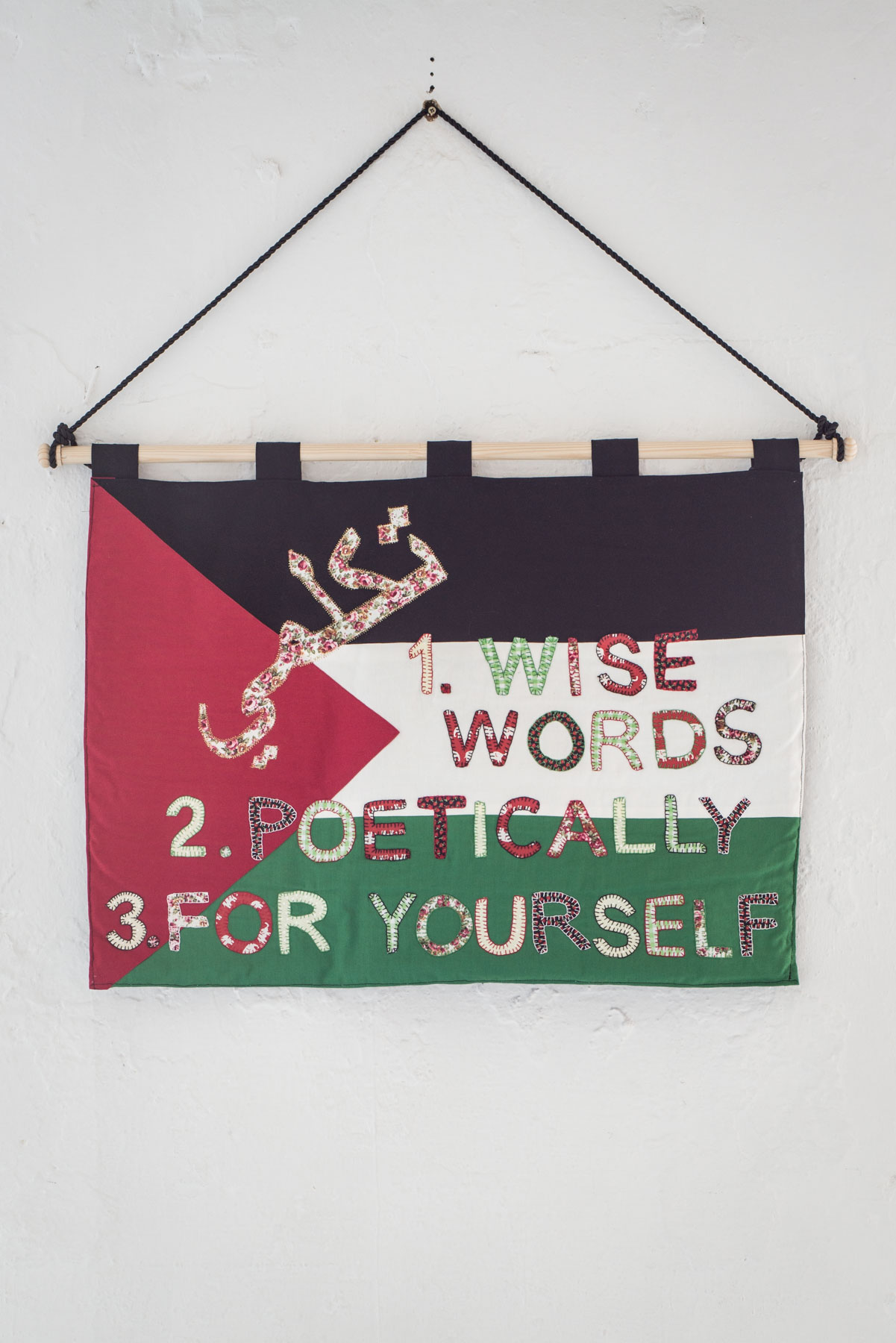
Dani Abulhawa
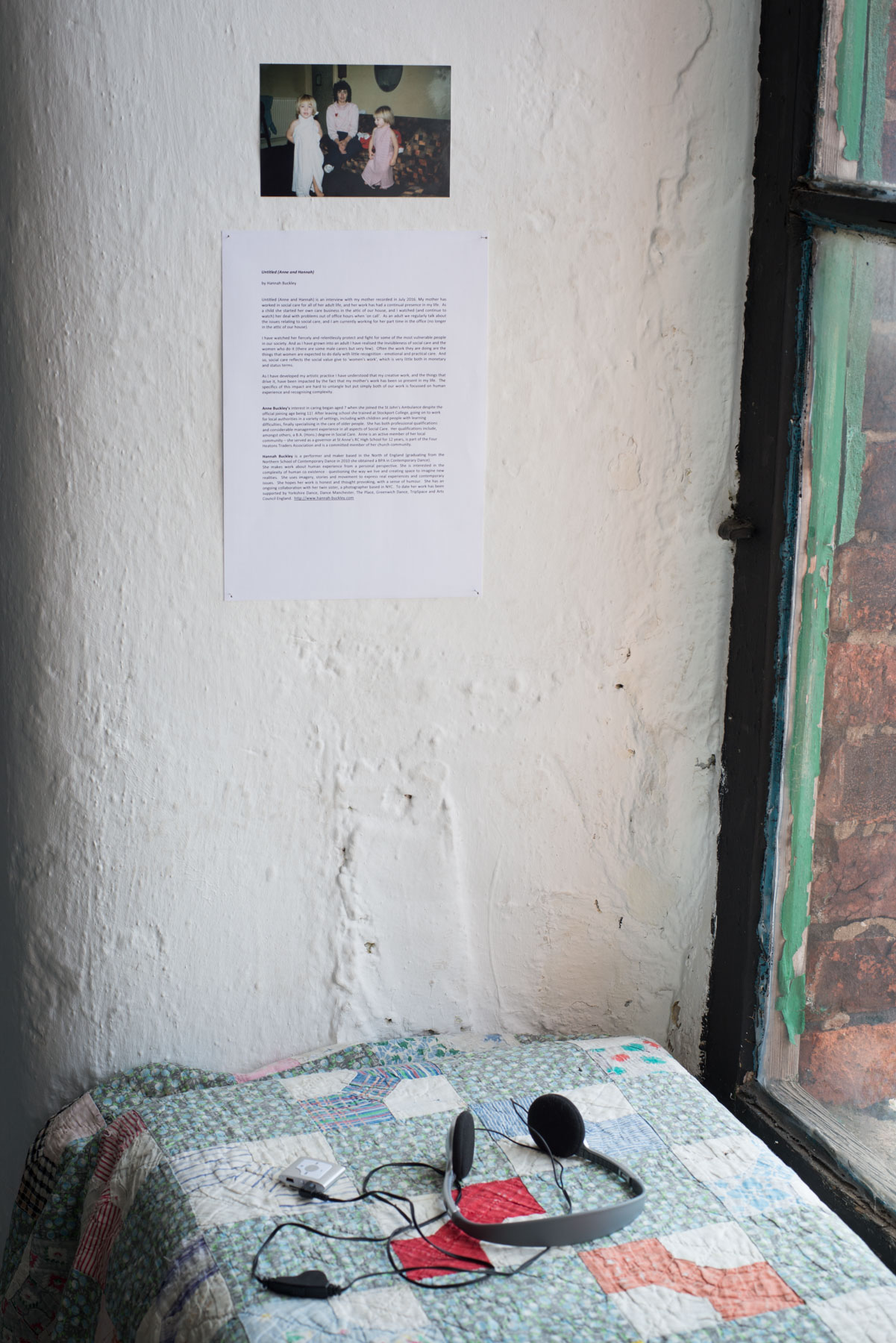
Hannah Buckley
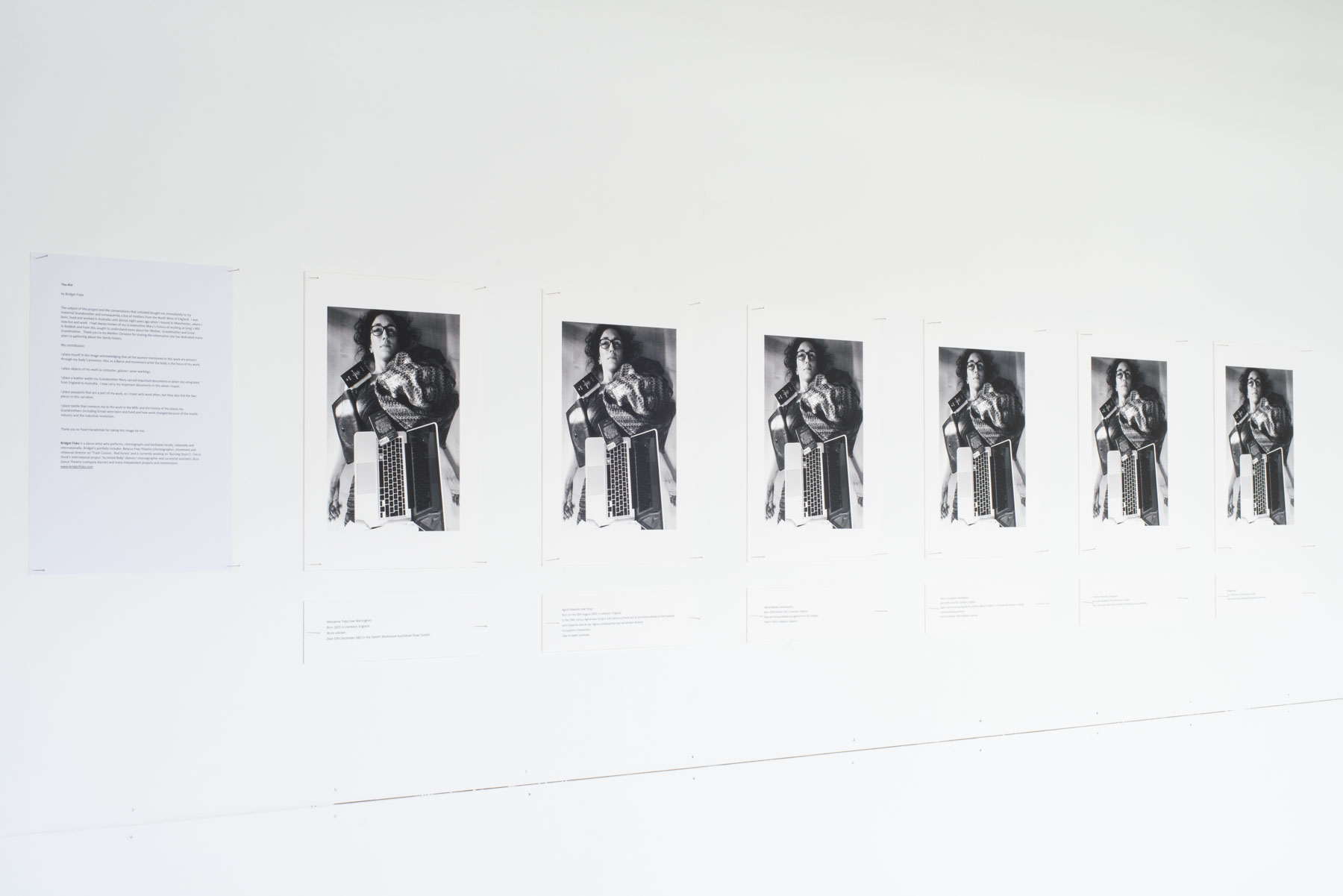
Bridget Fiske
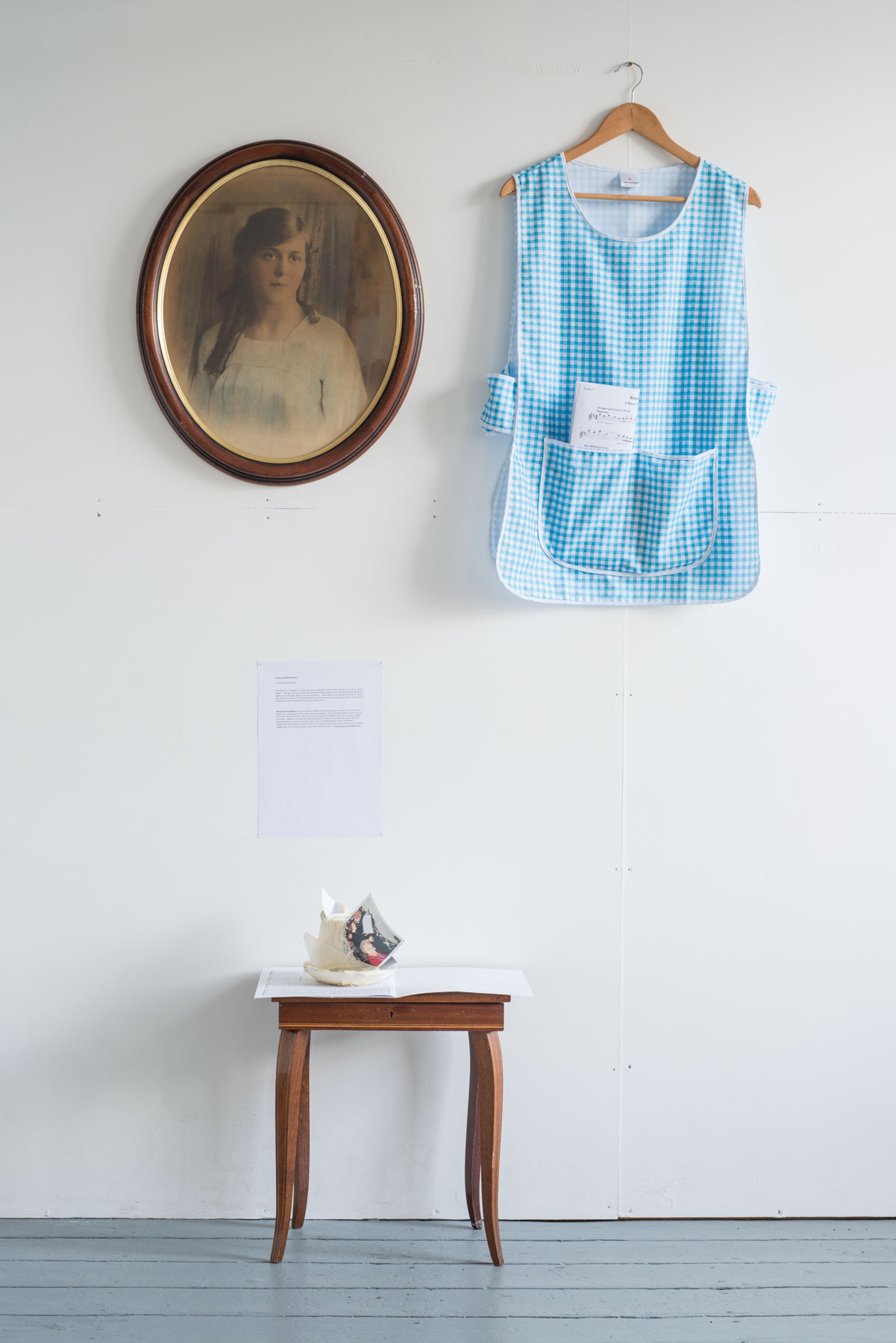
Natalie Garrett Brown
Further background
Amy’s research began with the working and playing lives of familial grandmothers and with the “grandmothers” of her art form. It asked how women’s social histories might be brought to light through personal storytelling, conversation and embodied practice.
Early research at the Working Class Movement Library in Salford reinforced the importance of personal stories. Conversations held during Gathering 1 then led Amy to invite eleven people to speak in greater depth about the paid and unpaid work of their mothers, grandmothers and great-grandmothers, and about their vocational and artistic lineages.
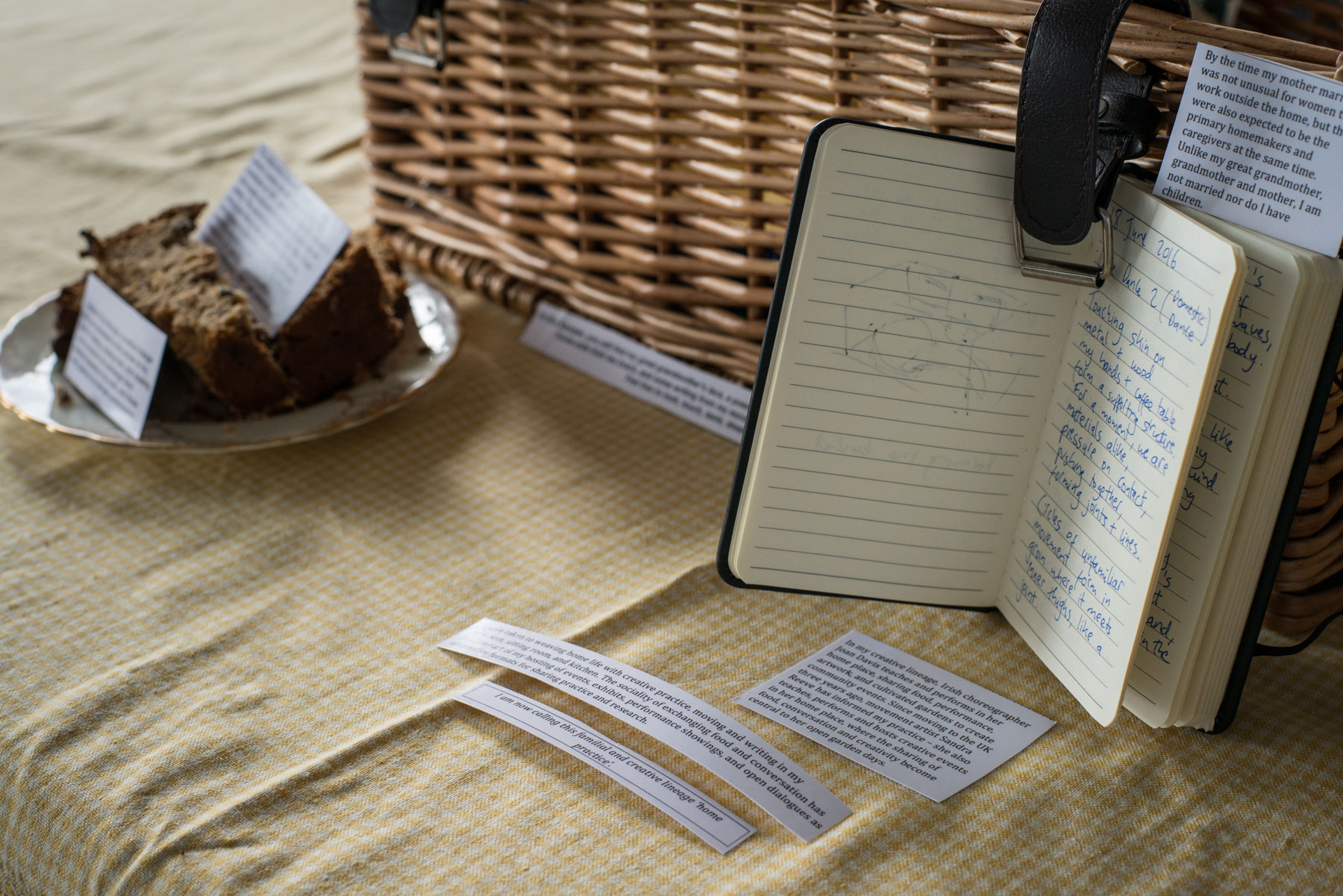
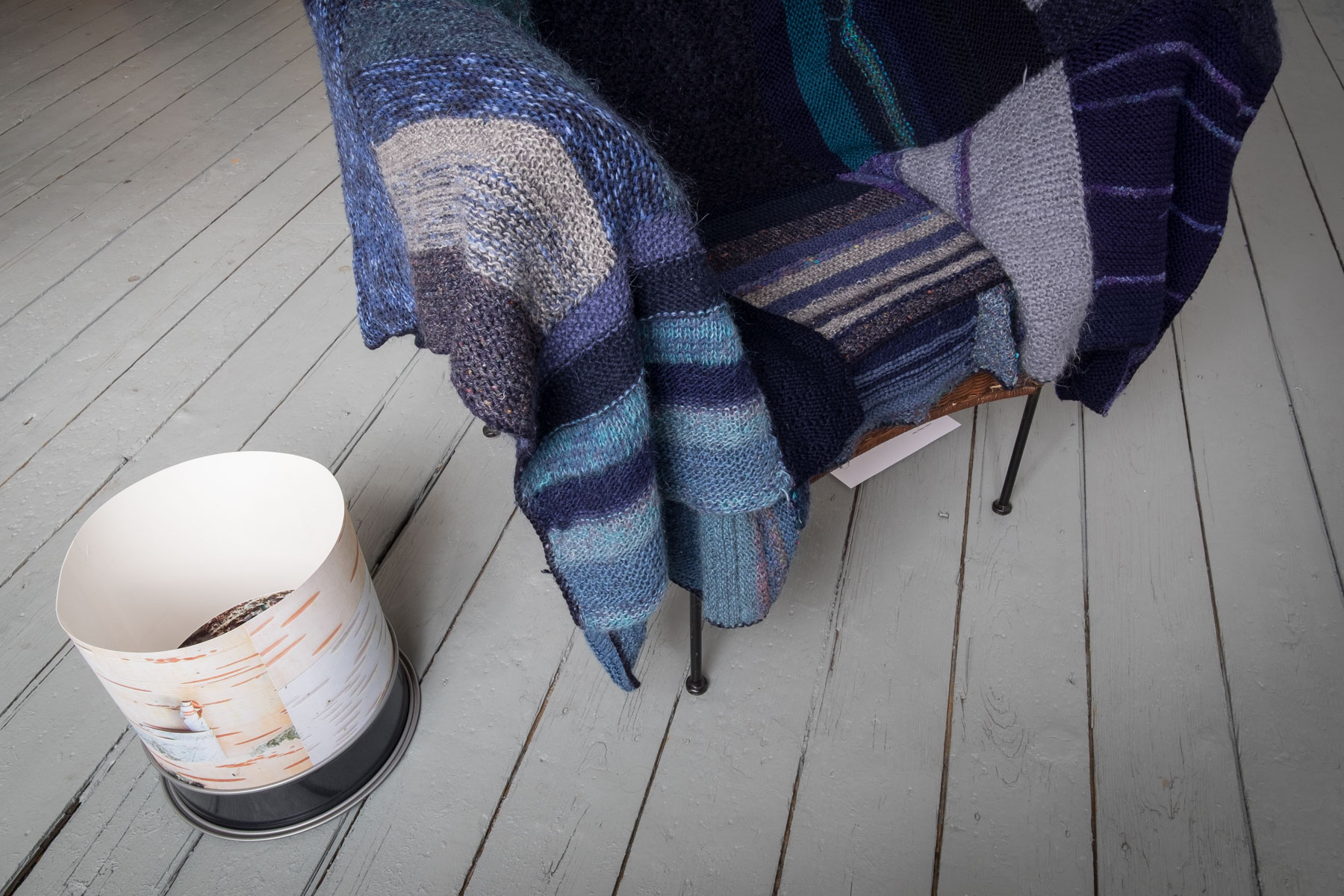
Contributors considered how those lineages manifest in their own work and how they might continue, divert or subvert what they had inherited. The resulting objects and installations formed a collective archive of work that is often overlooked or held privately.
For Amy, the project also held a tension between the freedoms of her own working life and the constrained choices available to her grandmothers. That tension became a resource for movement, including the developing practice Perch, which layered precisely situated movement images across the studio at dusk.
Project archive